
Plants
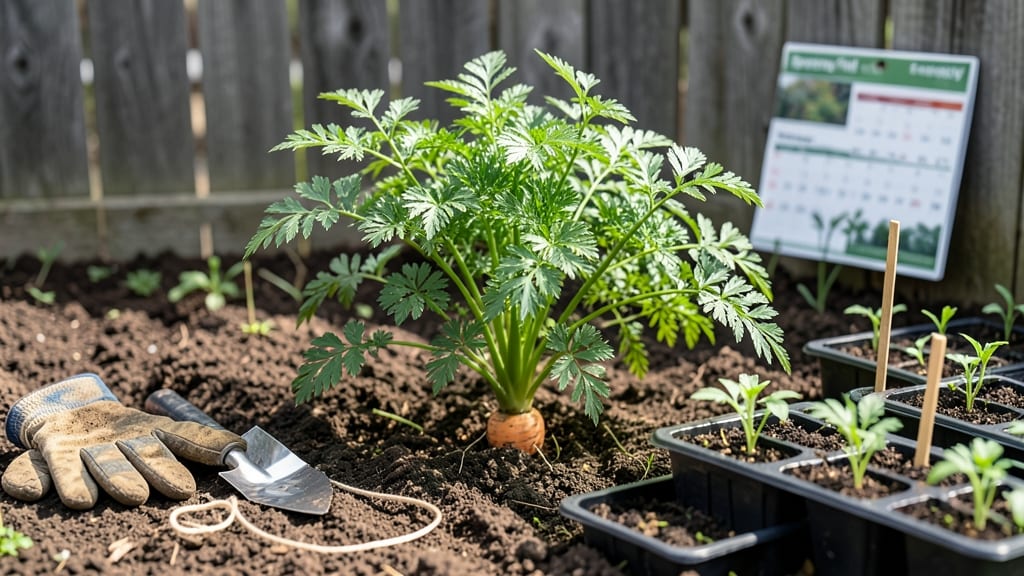
Planting carrots in Kentucky at the wrong time can turn your dream of crisp, sweet roots into a frustrating gamble—especially with USDA Zone 6a frost dates that shift yearly.
The key to success lies in timing: too early, and seedlings face frost; too late, and summer heat sends them bolting before harvest. I’ve learned the hard way that Kentucky’s microclimates demand precision, but with the right schedule, you’ll enjoy a steady supply from May through October.
Most gardeners in Kentucky focus on two planting windows: early spring (March to April) and late summer (July to August).
The first window catches soil warming after the last frost (around March 15), while the second avoids the brutal summer heat that stresses young plants. But here’s the catch: Bluegrass regions and Appalachian valleys have different frost patterns, so blindly following a one-size-fits-all calendar won’t cut it.
What sets successful Kentucky carrot growers apart? They adjust for soil temperature, not just calendar dates. A simple soil thermometer tells you when to plant—aim for 50°F or warmer—and staggered plantings every 2 weeks ensure a continuous harvest.
I’ll show you exactly how to sync your planting with Kentucky’s quirky weather, so you’re not left with bitter, forked roots or wasted effort.
Ready to grow carrots that rival the ones at the farmers’ market? Let’s dive into the exact planting deadlines for your corner of Kentucky, plus pro tips to outsmart the climate. Your next crisp, homegrown 🥕 starts with the right timing—and I’ve got you covered.
Kentucky’s carrot planting calendar: exact dates by microclimate zone
Kentucky’s five distinct microclimates create unique challenges for carrot growers. The Bluegrass region enjoys warmer springs, while the Appalachian mountains face cooler temperatures and shorter growing seasons.
Understanding these differences ensures your carrots thrive rather than struggle. Soil warmth and frost dates vary dramatically—even within 50 miles—so let’s break down the best planting windows for each zone.
For spring planting, aim to sow seeds 4-6 weeks before your last frost date.
In Kentucky, this typically means mid-March to early April for most regions, but cooler zones like the Appalachians may need to wait until late April. Fall planting should happen 8-10 weeks before your first frost, usually mid-July to early August.
These timelines prevent bolting from heat and ensure roots mature before winter sets in.
| Zone | Last Frost Date | Spring Planting Window | Fall Planting Window | Soil Temp Goal |
|---|---|---|---|---|
| Bluegrass (Lexington, Louisville) | March 15 | March 15 - April 5 | July 15 - August 5 | 50°F+ (10°C+) |
| Pennyrile (Paducah, West KY) | March 20 | March 20 - April 10 | July 20 - August 10 | 55°F+ (13°C+) |
| Knobs (Harlan, Eastern KY) | April 5 | April 5 - April 20 | July 30 - August 15 | 50°F+ (10°C+) |
| Cumberland (Bowling Green) | March 25 | March 25 - April 10 | July 20 - August 5 | 52°F+ (11°C+) |
| Appalachian (Corbin, Pikeville) | April 10 | April 10 - May 1 | August 1 - August 15 | 48°F+ (9°C+) |
In the Bluegrass region, where springs arrive 2-3 weeks earlier than the mountains, you can start sowing as early as mid-March.
Use row covers if nighttime temperatures dip below 40°F (4°C) to protect tender seedlings. Pennyrile’s warmer climate allows for slightly later spring planting, but be cautious—soil can dry out quickly in this drier western zone. Always water deeply after sowing to encourage germination.
The Appalachian zone presents the biggest challenge due to its cooler temperatures and shorter growing season. Here, focus on short-season varieties like ‘Paris Market’ or ‘Little Finger’ that mature in 50-60 days.
Plant no later than May 1 for spring crops, and prioritize well-draining soil to prevent rot in the region’s damp climate. Mulch heavily to maintain soil warmth and moisture.
For fall harvests, Kentucky’s variable rainfall can be tricky. In humid Bluegrass, aim to plant by July 15 to avoid fungal diseases from late-summer moisture. The drier Pennyrile zone can extend planting until August 10, but always check for consistent soil moisture.
In Appalachian valleys, where early frosts are common, finish planting by August 15 to ensure carrots mature before winter.
Regardless of your zone, test soil temperature before planting—carrot seeds need soil at least 50°F (10°C) to germinate.
Use a soil thermometer or press your hand into the soil; if it feels cool to the touch, wait a few days. Staggered planting every 2 weeks extends your harvest window, giving you fresh carrots from June through October in most zones.
One common mistake Kentucky gardeners make is planting too early in cool, wet springs. Seeds rot in cold, soggy soil, so wait until the ground warms and excess moisture drains.
If you’re unsure about your local frost dates, check the USDA Plant Hardiness Zone Map and add 2-3 weeks to the average last frost for safety. Container growing is another great option for urban gardeners in warmer microclimates.
Finally, remember that carrots hate competition. Thin seedlings to 2-3 inches apart once they’re 2 inches tall to prevent stunted roots. In
How to adjust planting for Kentucky’s unpredictable weather: tips for success
Kentucky’s weather can throw curveballs—one week brings late spring frosts, the next delivers 90°F heatwaves that bolt your carrots before harvest. I’ve learned the hard way that rigid planting schedules fail here.
The solution? Flexible strategies that account for soil temperature, not just calendar dates, and protect tender seedlings from Mother Nature’s whims.
Start by testing your soil’s warmth with a simple thermometer—carrot seeds need 50°F+ soil to germinate reliably. In my Louisville garden, I’ve seen March planting dates shift by 2 weeks between years due to frost delays.
That’s why I now use black plastic mulch in early spring to warm the soil faster, giving seedlings a head start against unpredictable cold snaps.
Here’s my battle-tested system for Kentucky’s unpredictable weather:
- 🌡️ Soil Warmth First: Plant only when soil reaches 50°F+—use a thermometer to avoid guessing. In Appalachian zones, this may mean waiting until mid-April instead of March.
- 🛡️ Frost Protection: Cover seedlings with frost cloth if nighttime temps dip below 32°F after planting. I’ve saved entire rows this way during April’s surprise frosts.
- ☀️ Staggered Plantings: Sow seeds every 2 weeks from March through July for continuous harvests. This spreads risk if one batch fails due to heat or rain.
- 💧 Drought Prep: Kentucky’s summer droughts can dry soil quickly. Mulch with straw or grass clippings to retain moisture and keep roots cool.
- 🌱 Late Summer Backup: Plant a second crop in late July for fall harvests. Choose bolt-resistant varieties like ‘Danvers’ to survive summer’s heat.
For frost-prone areas like Northern Kentucky, I swear by row covers until seedlings are 4 inches tall. Last year, a May frost hit my garden, but my covered rows survived while uncovered neighbors lost everything.
Even in warmer zones, like Bowling Green, shade cloth during July’s heatwaves prevents bolting—just drape it loosely to avoid trapping moisture.
Watering also demands attention. Kentucky’s humid summers can cause fungal diseases if leaves stay wet. I water deeply in the morning and avoid overhead sprinklers. For container-grown carrots, I’ve found drip irrigation keeps roots consistently moist without the risk of soil-borne diseases that plague Kentucky gardens.
Remember: Kentucky’s clay-heavy soils can compact easily, stunting carrot growth. Loosen soil with compost or sand before planting, and avoid working the soil when it’s wet—this prevents clumping that leads to forked roots. With these adjustments, you’ll outsmart Kentucky’s weather and enjoy homegrown carrots from May through October.