
Plants
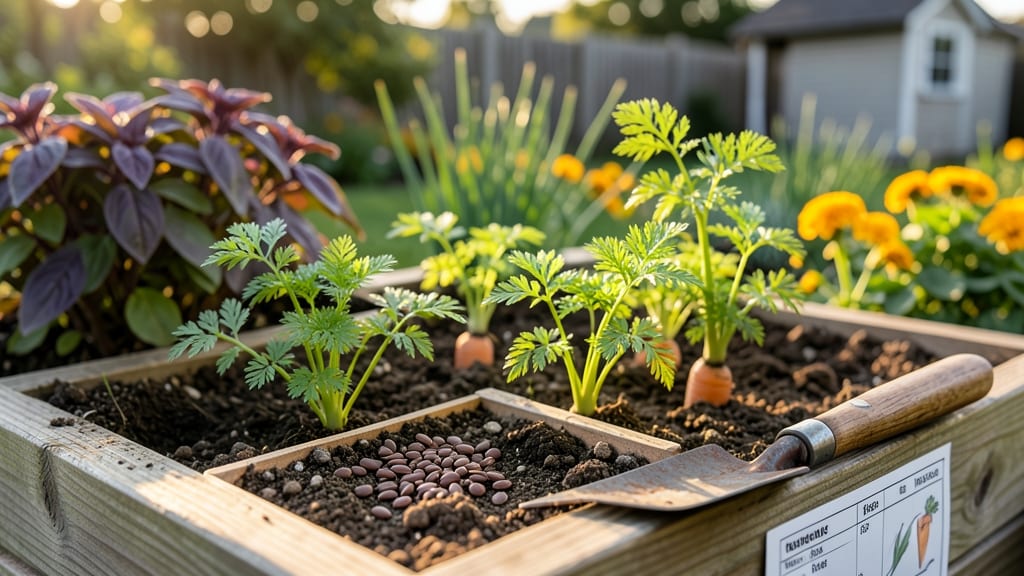
Planting carrots in San Diego might seem tricky with its year-round growing season, but timing is the key to avoiding bitter, woody roots. The mild 10a climate lets you sow these 🥕 gems almost anytime, but fall and winter are your sweet spots for tender harvests.
Why? Because summer’s relentless sun turns carrots tough and stringy, while cooler weather helps them develop that signature crispness. I’ve learned the hard way—skipping this window means sacrificing flavor for frustration.
Here’s the game-changer: coastal areas can plant earlier than inland zones, thanks to cooler breezes. We’ll break down the exact months for each microclimate so you can start seeds when the soil’s just right—no more guessing games.
Ready to grow carrots that taste like they came from a farmers’ market? Let’s dive into the perfect planting schedule for your San Diego garden.
San Diego carrot planting calendar by microclimate: coastal vs inland vs desert zones
San Diego’s three distinct microclimates—coastal, inland, and desert-adjacent—create wildly different growing conditions for carrots. The coastal zone stays cooler with morning fog, while inland areas hit 100°F+ temperatures by summer.
Desert-adjacent regions face low humidity and intense sun exposure. These differences mean your planting schedule should shift by 5-8 weeks depending on location.
For all zones, the sweet spot is planting when soil temps stay between 55°F and 75°F. Coastal areas can start earlier in fall (September-October), while inland gardeners should wait until November-December to avoid summer heat stress. Desert-adjacent zones benefit from winter planting (January-February) to escape peak heat.
Here’s the exact calendar, including soil prep timing and ideal harvest windows for each microclimate:
Soil prep is just as critical as planting dates. In coastal areas, focus on drainage—sandy soils here can dry out quickly. Amend with 2-3 inches of compost and organic matter like coconut coir to retain moisture.
For inland zones, where summer heat bakes the soil, go deeper: till 12 inches down and mix in aged manure to improve moisture retention.
In desert-adjacent regions, prioritize rock-free soil—carrots hate hitting stones mid-growth. Use a fine mesh screen to sift out debris before planting. Mulch heavily with straw or wood chips to lock in moisture and keep roots cool.
Pro tip: Shade cloth (30-50%) during peak summer (June-August) can boost yields by 30% in these hot zones.
Temperature thresholds are your best friend. Carrots grow best when daytime temps stay below 80°F. Coastal gardeners can push spring planting until April 15 without stress, but inland areas should stop by March 31 to avoid bolting (premature flowering).
Desert zones? Plant only in winter—summer attempts will yield woody, bitter roots.
Harvest timing varies by microclimate too. Coastal carrots reach peak sweetness in December-February when nights are cool. Inland gardeners should harvest by March before summer heat sets in. Desert-adjacent carrots thrive in spring (March-April) and late fall (November), when temps dip below 75°F.
Always harvest when roots are 1-1.5 inches thick—thinner carrots stay sweeter.
Pro move: Plant short-day varieties like ‘Paris Market’ in summer for faster harvests (50 days). Save longer-season types like ‘Danvers’ for fall/winter planting. Succession plant every 2-3 weeks to avoid gluts and ensure a steady supply of fresh, crisp carrots year-round.
🌱
How to adjust carrot planting for San Diego’s unpredictable weather patterns
San Diego’s coastal fog, inland heatwaves, and sudden rainstorms can turn your carrot patch from a dream to a disaster if you’re not prepared. The key to success lies in flexible planting strategies that adapt to these microclimate challenges.
Whether you're dealing with morning fog in La Jolla or 100°F afternoons in El Cajon, these adjustments will keep your carrots growing sweet and straight.
First, understand that carrots hate extremes—whether it’s soil too cold or too hot. Coastal areas can plant earlier in the season thanks to cooler temperatures, while inland zones must time plantings for spring or fall to avoid summer stress.
The solution? Succession planting and protective measures like shade cloth and mulch.
- 📅 Stagger plantings every 2-3 weeks from September to March to ensure a continuous harvest and avoid heat stress in summer months.
- ☀️ Use 30-50% shade cloth during peak summer heat (June-August) to prevent bolting and maintain soil moisture.
- 💧 Mulch heavily with straw or wood chips to retain moisture and regulate soil temperature, especially in inland areas.
- 🌬️ Raise beds in coastal fog zones to improve drainage and prevent waterlogged soil, which causes rot.
- 🌧️ Plant on raised beds or slopes in areas prone to flash flooding to avoid seed washout and uneven germination.
For coastal gardeners, focus on fall and winter plantings (September through March) when temperatures stay mild. The Pacific Ocean breeze helps moderate heat, but morning fog can delay germination. To combat this, pre-soak seeds for 24 hours before planting and use black plastic mulch to warm the soil faster.
Inland gardeners face a different challenge: intense summer heat that can cause carrots to bolt or develop woody cores. Start seeds indoors in late winter (February) and transplant outdoors in March once soil temperatures drop below 85°F.
Alternatively, opt for heat-tolerant varieties like Danvers or Chantenay, which handle warmer conditions better.
Don’t forget about soil moisture management—San Diego’s unpredictable rain patterns can either drown your crops or leave them parched. Use a drip irrigation system on a timer to deliver consistent watering, especially during dry summer months.
Aim for 1 inch of water per week, delivered in the early morning to reduce evaporation and fungal risks.
Finally, harvest strategically to avoid stress from extreme weather. In coastal areas, you can harvest through late spring, while inland gardeners should pull carrots by early June before the heat sets in.
For a fall harvest, plant again in August for a cool-season crop that matures before winter rains arrive.