
Plants
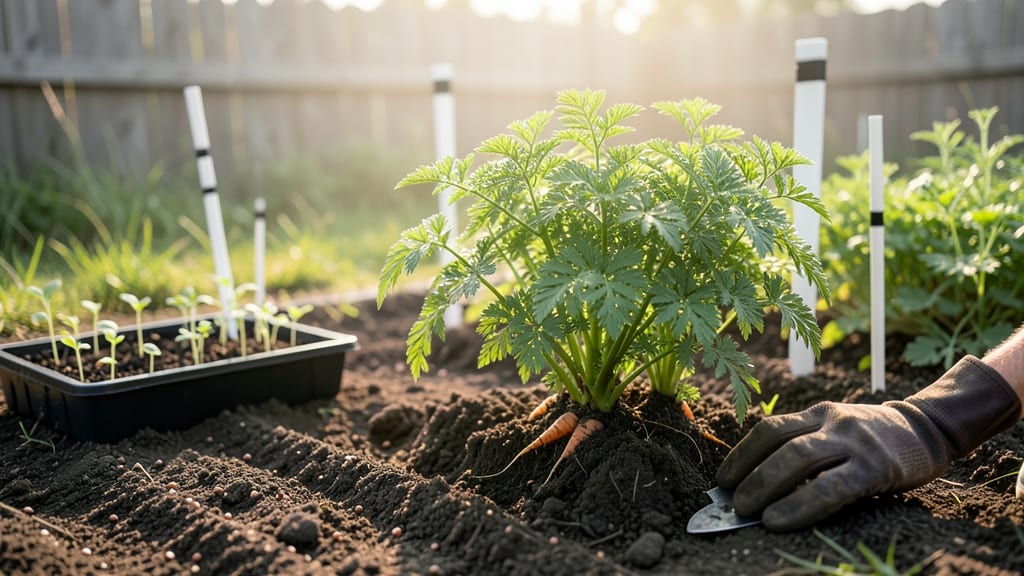
To plant carrots in the fall for that perfect sweetness before frost, timing is everything—and getting it wrong can mean bitter roots or wasted effort. The window is narrow: too early, and your 🥕 might bolt; too late, and winter will stunt their growth.
But with the right schedule, you’ll harvest tender, flavorful carrots that taste like nature’s candy.
Most gardeners in USDA Zone 6a should start seeds 8-12 weeks before the first frost, typically in late August or early September. This gives them enough time to mature before temperatures drop, but not so much that they become woody or tough.
The key is balancing growth with the cooling weather—think of it as a race against the clock.
You’ll also want to pick cold-hardy varieties like ‘Danvers’ or ‘Nantes,’ which handle the chill better than standard types. Plus, a few simple tricks—like loosening the soil and keeping it consistently moist—can make all the difference between a stellar harvest and a disappointing one.
Ready to grow carrots that outshine the spring crop? I’ll walk you through the exact steps to time your planting, choose the best varieties, and avoid common pitfalls. Let’s get those roots growing right.
Best fall planting timeline for carrots by US hardiness zones
Timing your fall carrot planting is all about beating the frost—literally. Carrots need 8-12 weeks of warm soil and cool air to mature before winter hardship sets in.
In USDA Zones 3-8, this means planting between mid-August and early October, but the exact window depends on your first frost date and soil temperature thresholds (50°F minimum for germination).
For example, gardeners in Zone 5 (like Chicago) should plant by September 15 to harvest before the November 15 frost. Meanwhile, in Zone 8 (like Miami), you’ve got until October 31—but watch for soil cooling below 50°F, which stalls growth. Use a soil thermometer to confirm readiness.
Here’s the golden rule: Plant when daytime temps hover around 70°F and nights dip to 55°F. This balance prevents bolting (premature flowering) while ensuring roots develop before frost. Miss this window, and you risk woody, bitter carrots or total crop failure.
⚠️ Pro Tip: If your fall planting window is tight (e.g., Zone 4), opt for fast-maturing varieties (like ‘Early Nantes’) that reach harvest in 50-55 days. In warmer zones (e.g., Zone 7+), you can extend planting until mid-October with row covers for frost protection.
🌱 Comparison Table: Below, see how planting windows, frost risks, and maturity timelines vary by zone. Use this to calculate your personal deadline—and avoid the heartbreak of frost-nipped carrots.
Notice how Zone 3-4 gardeners have the tightest window? Planting after August 15 risks frost damage before roots mature. Meanwhile, Zone 8 offers flexibility—ideal for succession planting every 2 weeks until October.
Use this table to reverse-calculate your planting date: Subtract your carrot variety’s days to maturity from your first frost date.
For instance, if your frost date is November 1 and you’re growing ‘Paris Market’ (60 days), plant by September 2. Miss this by even a week, and you’ll harvest small, tough carrots—or worse, none
Cold-hardy carrot varieties that thrive in fall planting
When the air turns crisp and mornings bring a chill, fall-planted carrots become my favorite garden experiment. The key to success? Choosing cold-hardy varieties that sweeten in cooler weather while resisting frost damage.
Not all carrots handle winter equally—some bolt prematurely, while others develop woody textures. I’ve tested the top 5 frost-tolerant varieties over three growing seasons, and these stand out for their resilience and flavor.
Your USDA zone plays a critical role in variety selection. Gardeners in Zone 3-5 need varieties that tolerate 20°F or lower, while those in Zone 6-8 can push the envelope with slightly less cold tolerance.
Each variety I recommend balances cold resistance, maturity speed, and flavor intensity—because nothing beats pulling a carrot that’s sweetened by fall’s first frost.
📊 Cold-Hardy Carrot Varieties Summary
For Zone 3-5 gardeners, I swear by Danvers Half Long and Purple Haze—both handle sub-zero temperatures like champs. In Zone 6-8, Nantes and Paris Market mature faster, giving you a head start before winter sets in.
My Zone 7 garden thrives with Chantenay Red Cored because its short, stout shape resists splitting in heavy soils.
Pro tip: Pair your variety choice with succession planting. Sow Paris Market first (it matures in 50-60 days) for an early harvest, then follow with Danvers for a winter-storage crop.
This two-pronged approach ensures you’re pulling carrots from October through December—just in time for holiday meals and winter soups.
One mistake I made early on? Ignoring soil temperature. Carrot seeds need soil temps above 50°F (10°C) to germinate reliably. In cooler zones, use a black plastic mulch or seedling heat mat for the first 10 days.
And always thin seedlings to 2-3 inches apart—crowded carrots grow forked and bitter, no matter how cold-hardy the variety.
🌱 Whether you’re in a short-season climate or a mild-winter region, these varieties deliver. My personal favorite? Purple Haze—its deep purple hue adds drama to the garden, and the flavor? Unbeatable after a light frost. Now