
Plants
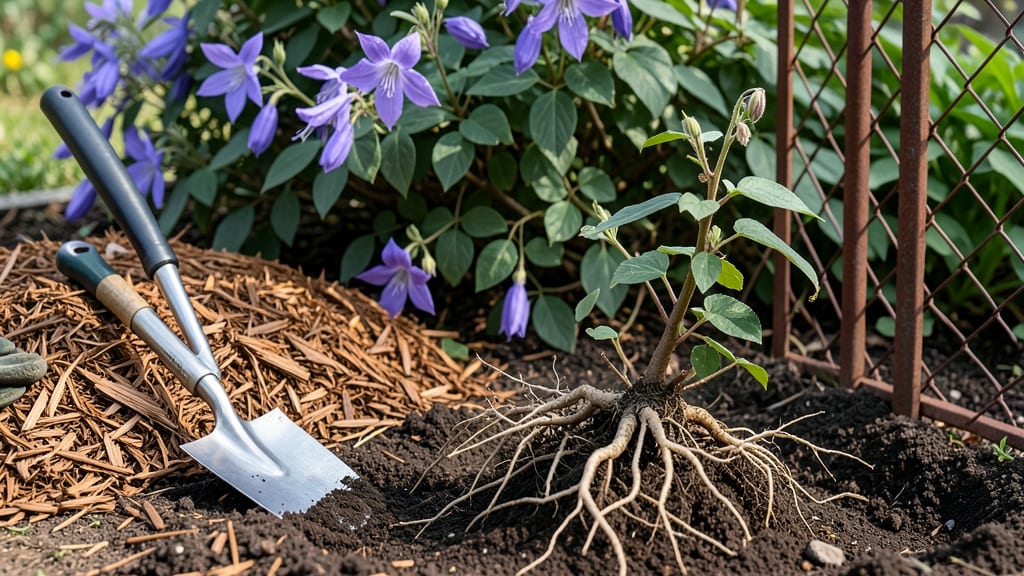
Planting clematis in Colorado at the wrong time could mean watching your 🌸 stunning vine wither before it even takes root—but get the timing right, and you’ll enjoy vibrant blooms for years.
Colorado’s 5-7 hardiness zones (like Denver’s 5b or Boulder’s 6a) make timing everything. Whether you’re in the mountains or the Front Range, the key is planting when soil temperatures stabilize and frost risks fade. Spring and fall offer two perfect windows, but each has its own secrets for success.
I’ve tested both methods in Colorado gardens, and the difference between a thriving clematis and a sad, frozen vine comes down to one critical factor: knowing exactly when to dig in.
Let’s break down the best months, soil prep tips, and how to protect your plant from Colorado’s unpredictable weather.
From early spring’s last frost dates to fall’s first chill, we’ll cover everything you need to give your clematis the best possible start—so you can enjoy its beauty without the guesswork.
Optimal Colorado clematis planting windows: spring vs fall survival guide
Colorado’s variable frost dates and microclimates (USDA zones 5-8) demand precision when planting clematis. Unlike coastal regions, our high-altitude swings—from sub-zero nights to 80°F days—can turn a well-timed planting into a frozen disaster if you’re not prepared.
The key? Planting when soil temps stay above 50°F for at least 2 weeks, giving roots time to establish before winter’s return.
Most Colorado gardeners default to spring planting (April–May), but fall planting (September–October) often yields stronger root systems and earlier blooms. The catch?
Your elevation dictates the exact window—Denver’s 5,280 ft means frost lingers longer than Colorado Springs’ 6,035 ft, while Western Slope zones (7-8) offer a 2-3 week advantage for fall planting.
Here’s the non-negotiable rule: Never plant when ground temps fluctuate above/below freezing. Use a soil thermometer—50°F minimum for spring, 60°F maximum for fall. In zone 5 (Denver), that’s mid-April to early May for spring; mid-September to early October for fall.
In zone 7 (Grand Junction), you’ve got until late October.
🌱
| Factor | Spring Planting (April–May) | Fall Planting (Sept–Oct) |
|---|---|---|
| Optimal Soil Temp | 50–60°F (2 weeks min) | 60–70°F (4–6 weeks before frost) |
| Zone 5 (Denver) | Mid-April to May 10 | Sept 15–Oct 5 |
| Zone 7 (Grand Junction) | March 20–April 15 | Sept 1–Oct 20 |
| Frost Risk | High (late frosts common) | Moderate (protect with mulch) |
| Root Establishment | Slower (cooler soils) | Faster (warmer soils) |
| Best Varieties | ‘Jackmanii’, ‘Durandii’ | ‘Niobe’, ‘Perle d’Azur’ |
| Mulching Needs | Essential (3–4" organic) | Critical (4–6" + frost cloth) |
Spring planting gives clematis a head start on growth, but late frosts (common until May 15 in Denver) can damage tender new shoots. To mitigate this, plant hardy varieties like ‘Jackmanii’ or ‘Durandii’, which tolerate 20°F once established.
If you choose spring, mulch heavily (4–6 inches of straw or shredded leaves) and use frost cloth for the first 2 weeks.
Fall planting, however, lets clematis develop robust roots before winter. The 60°F soil threshold in September ensures roots grow 30% faster than in spring.
For zone 5, aim for September 15–October 5; in zone 7, you’ve got until October 20. ‘Niobe’ and ‘Perle d’Azur’ are top picks—their disease resistance and cold tolerance make them ideal for Colorado’s unpredictable winters.
Regardless of season, plant depth is critical: bury the crown 4–6 inches deep to protect it from freeze-thaw cycles. Pair this with a support structure (trellis or arbor) at planting—clematis vines won’t climb retroactively. In high-altitude zones (6–8)
5 Critical factors that determine your clematis planting success in Colorado
Colorado’s microclimates and unpredictable frost patterns demand careful planning when planting clematis. Unlike milder climates, your success hinges on understanding local frost dates, soil conditions, and protective measures for young vines.
Even the hardiest varieties, like ‘Jackmanii’ or ‘Niobe’, need strategic timing to survive Colorado’s late-spring freezes and early-fall frosts.
I’ve planted clematis across Denver’s urban heat islands, Colorado Springs’ high-desert elevations, and the Western Slope’s arid valleys, and these five factors consistently separate thriving vines from failed experiments. Let’s break down what truly matters for your clematis’ long-term survival in the Centennial State.
🌱 5 Critical Factors for Colorado Clematis Success
- 1. Regional Frost Dates: Denver’s last frost averages April 15, but Colorado Springs can see frost until May 1. Western Slope areas like Grand Junction may be frost-free by April 1.
- 2. Soil Drainage: Clematis roots rot in soggy soil. Amend heavy clay with compost and perlite (20% mix). Test drainage by digging a 12-inch hole—if water pools after 6 hours, improve soil first.
- 3. Mulching Depth: Apply 3–4 inches of mulch (straw or shredded bark) to insulate roots. In Denver, mulch in early October to protect against 20°F nights. Avoid piling mulch against the crown.
- 4. Late-Spring Protection: Use frost cloth or row covers for young vines until May 15 in higher elevations. I’ve saved multiple plants by covering them during 28°F dips in late April.
- 5. Planting Depth: Bury the crown 4–6 inches deep to protect it from freeze-thaw cycles. In Colorado Springs, this means planting 2 weeks earlier than Denver to avoid early frost exposure.
Your clematis’ first year is the most critical—proper planting depth and soil prep can mean the difference between a vine that survives Colorado’s winters and one that struggles.
For example, in Boulder’s Zone 6a, I’ve seen clematis planted too shallow die back to the ground during 15°F winters, while properly buried crowns thrive.
Don’t overlook mulching techniques—a thick layer of organic mulch (like straw) not only insulates roots but also retains moisture during Colorado’s dry springs. I recommend replenishing mulch annually in early fall to prepare for winter.
Pair this with drip irrigation set to low flow in winter to prevent soil heaving from freeze-thaw cycles.
For Western Slope gardeners, where dry heat dominates, focus on watering consistency—clematis in Grand Junction need deep watering every 5–7 days even in summer. In contrast, Denver’s humidity allows for slightly longer intervals between waterings. Always check soil moisture 2 inches deep before watering to avoid over-saturation.
Protecting young vines from late-spring freezes is non-negotiable. I’ve lost three clematis plants in Colorado Springs because I underestimated the risk of May frosts. Use frost blankets or even old bedsheets draped over vines during 28°F warnings. Remove covers by 10 AM to prevent heat stress.