
Plants
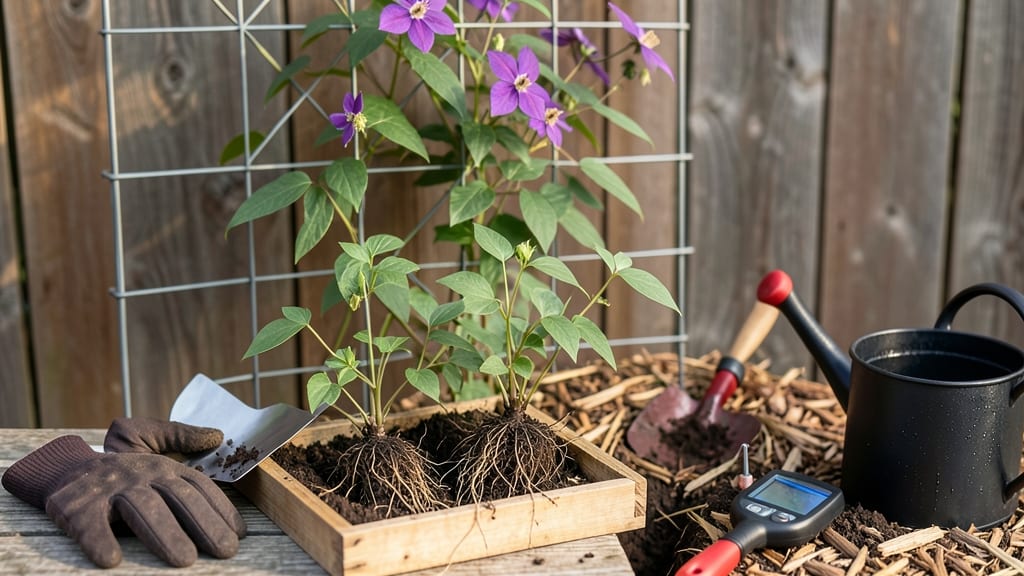
Planting your Clematis 🌸 at the wrong time in Zone 8 could mean struggling with weak roots or frost damage before it even gets a chance to thrive. The key to success lies in understanding the best months for planting—when soil temperatures and daylight align perfectly for root growth.
In Zone 8, you’ve got two prime windows: late winter to early spring (February-March) or fall (September-October). Both offer distinct advantages, but timing is everything—especially since your Clematis 🌸 needs time to establish strong roots before the first frost hits around mid-November.
I’ll break down exactly why these months work, how to prep your soil, and what to watch for after planting. Whether you’re a first-time gardener or a seasoned pro, these tips will help your Clematis 🌸 take off without a hitch.
Let’s dive into the science-backed strategy to ensure your vine gets the best possible start in Zone 8’s climate.
Best planting months for clematis in Zone 8: fall vs. spring timing explained
Choosing the right time to plant clematis in Zone 8 can mean the difference between a thriving vine and one struggling to establish roots. In this region, soil temperatures and frost risk create a narrow window for success.
Both fall and spring offer advantages, but understanding their unique benefits will help you decide which timing works best for your garden.
Clematis roots thrive when soil temperatures hover between 50-60°F, allowing them to grow without stress. In Zone 8, this ideal range typically occurs in late winter/early spring (February-March) or early fall (September-October).
Planting outside these windows risks exposing young roots to extreme heat or frost, which can stunt growth or cause dieback.
Let’s compare the two planting seasons side by side to help you make an informed decision based on your local microclimate and gardening goals.
Fall planting (September-October) is often my preferred method for clematis in Zone 8 because it allows roots to establish 6-8 weeks before dormancy. This head start means your vine will burst into growth earlier in spring, giving you more blooms.
The soil stays warm long enough to encourage root development without the stress of summer heat.
Spring planting (February-March) works well if you miss the fall window or live in a region with mild winters. However, planting too early risks exposing roots to late frosts, while waiting too long may leave your clematis struggling during summer’s peak heat.
Aim to plant as soon as soil temperatures consistently reach 50°F.
Container-grown clematis can offer flexibility, allowing you to plant slightly outside these windows. However, even with containers, avoid planting when soil temperatures drop below 45°F or exceed 75°F, as both extremes can shock the roots.
If you’re unsure about your local soil temps, use a soil thermometer to monitor conditions.
After planting, focus on mulching to regulate soil temperature and retain moisture. A 2-3 inch layer of organic mulch (like shredded bark) will protect roots during winter or summer heat. Water deeply once a week for the first month to encourage root spread, then taper off as the vine establishes.
Remember, clematis in Zone 8 thrives with 6+ hours of sunlight and well-draining soil. Whether you choose fall or spring, prioritize a location with afternoon shade to prevent leaf scorch during hot summer afternoons.
With the right timing and care, your clematis will reward you with stunning blooms for years to come.
For gardeners in Zone 8a (colder microclimates), lean toward fall planting to maximize root growth before winter. Those in Zone 8b (warmer microclimates) may have more flexibility with spring planting, but always monitor local frost dates to avoid surprises.
🌸
How to prepare clematis for Zone 8 planting: soil, location, and pre-planting care
Clematis thrives in Zone 8 when planted with the right soil conditions and location. The key is preparing your garden to mimic its natural habitat—moist, well-draining soil with plenty of organic matter.
In Zone 8, where summers can be hot and winters mild, the right pre-planting care ensures your clematis establishes strong roots before the first frost arrives around mid-November.
Start by selecting a sunny location with at least 6 hours of sunlight daily. Clematis loves climbing, so choose a spot near a trellis, arbor, or fence. Avoid planting directly under trees, as their roots compete for nutrients and shade can weaken growth.
If you’re planting in containers, ensure they’re large enough—15+ gallons for mature plants—to prevent root binding.
🌱 Pre-Planting Checklist for Zone 8 Clematis
- 🌿 Soil Prep: Amend clay-heavy soil with compost or peat moss to improve drainage. Aim for a pH of 6.5–7.5—test your soil with a kit if unsure.
- ☀️ Location: Plant near a south-facing wall for winter protection. Clematis needs morning sun + afternoon shade in Zone 8’s heat.
- ✂️ Root Pruning: Trim 1/3 of the roots if the plant is root-bound. This encourages outward growth once planted.
- 💧 Watering: Soak the root ball 1–2 days before planting to reduce transplant shock. Use 1–2 gallons of water per plant.
- 🪴 Mulching: Apply 3 inches of mulch (wood chips or straw) around the base to retain moisture and regulate soil temperature.
Before planting, prune any damaged roots and inspect the plant for pests. Clematis is susceptible to clematis wilt and aphids, so treat with neem oil if you spot signs early. If your clematis came in a container, gently loosen the root ball to encourage outward growth.
For bare-root plants, soak the roots in water for 1–2 hours before planting to hydrate them thoroughly.
Zone 8’s mild winters mean your clematis won’t face extreme cold, but proper mulching is still critical. Use straw or leaves in late fall to insulate the roots, especially if your winters dip below 20°F.
Avoid heavy mulch that can suffocate the plant—aim for 2–3 inches. After planting, water deeply once a week for the first month to help roots establish.
One common mistake in Zone 8 is planting clematis too deep. The crown should sit 4–6 inches below soil level—this protects it from heat stress in summer and cold snaps in winter.
If your trellis isn’t installed yet, plant the clematis 6–12 inches away from the support structure to avoid root damage during installation. Once planted, stake young vines gently to encourage upward growth.
With the right soil prep, location, and pre-planting care, your clematis will thrive in Zone 8’s climate. The key is patience—root establishment takes 4–6 weeks, so avoid heavy pruning until spring. Your reward? Stunning blooms from late spring to fall with minimal effort! 🌸