
Plants
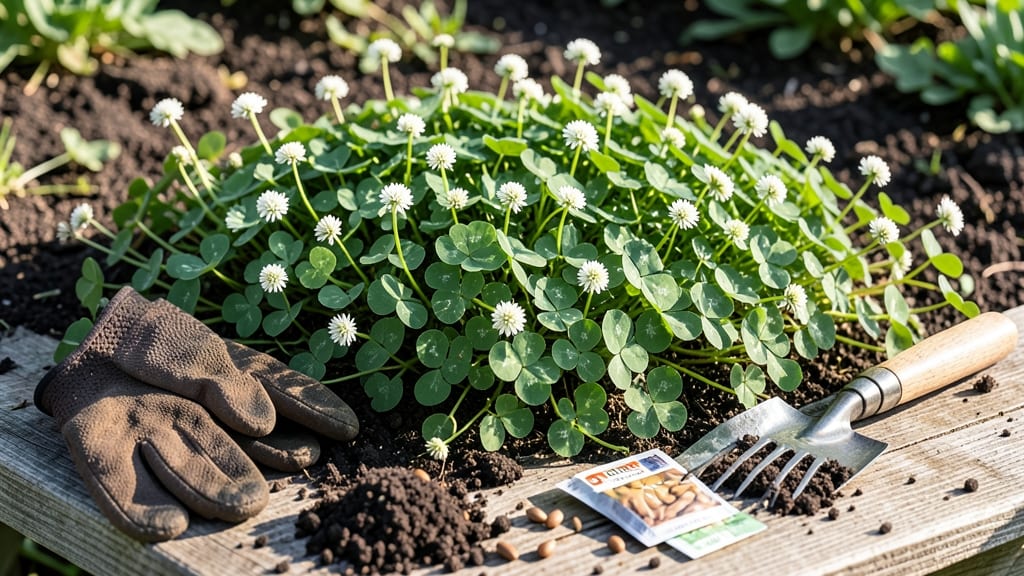
Planting clover in Maryland at the wrong time means wasted seeds and missed benefits—whether you're overseeding a lawn, boosting pollinators, or using it as a living mulch.
The perfect window depends on your hardiness zone (7a-8a) and whether you prefer spring or fall planting, but getting it right means faster germination and fewer weeds.
Most Maryland gardeners swear by early spring (March-April) or early fall (September-October) for 🌱 clover, but the exact timing varies by microclimate.
Coastal areas like Baltimore can plant slightly earlier than inland zones, while higher elevations near 7a need to wait for soil to warm to 50°F. Let me break down the zone-specific deadlines so you don’t miss the boat.
Why does timing matter so much? Clover thrives when soil temperatures are just right—too cold, and seeds rot; too hot, and they dry out.
I’ll show you how to check soil temps, prep your lawn or garden bed, and even troubleshoot common Maryland mistakes that kill clover before it takes hold.
Ready to grow a lush, low-maintenance lawn or support local pollinators? Let’s dive into the exact steps to plant clover at the ideal moment for your Maryland zone—no guesswork, just results.
Maryland’s ideal clover planting windows by hardiness zone (spring vs fall)
Maryland’s diverse climate means your clover planting window depends heavily on whether you’re in zone 5b (western mountains) or zone 7a (coastal areas). Spring planting should happen when soil temps hit 40-50°F, while fall planting thrives with 60-70°F soils—both critical for germination.
Missing these thresholds can lead to slow growth or frost damage, especially in Maryland’s unpredictable late spring frosts.
For zone 5b gardeners, late April to early May is your spring window, while zone 7a can start as early as mid-March.
Fall planting shifts to September-October across all zones, but coastal areas have 2-3 extra weeks before first frost. Soil temperature, not calendar dates, should dictate your planting—use a soil thermometer to avoid guesswork.
Here’s your zone-by-zone breakdown of ideal planting windows, including frost risk and soil temp targets to maximize success:
Spring planting in Maryland’s cooler zones (5b-6a) requires patience—wait until nighttime temps stay above 40°F to avoid frost damage. Zone 7a gardeners can start earlier, but soil prep (loosening compacted areas) is key for all zones. Fall planting, on the other hand, benefits from Maryland’s milder autumns, giving clover time to establish roots before winter.
If you’re overseeding lawns, aim for spring planting—clover needs 6-8 weeks to germinate before summer heat sets in.
For pollinator-friendly mixes, fall planting often yields better results, as cooler temps reduce weed competition. Test your soil first; Maryland’s clay-heavy soils (common in western zones) benefit from compost amendments to improve drainage.
Pro tip: Mark your calendar for Maryland’s average frost dates—April 15 (last frost) and October 15 (first frost). Coastal areas like Annapolis can push these 1-2 weeks later, while mountainous regions (e.g., Garrett County) may face earlier frosts.
Use a frost calendar or local Cooperative Extension data to fine-tune your timing.
For white clover (common in lawn mixes), spring planting is ideal, while red clover (often used as a cover crop) thrives with fall planting. Mix varieties if you want year-round ground cover—plant white clover in spring and red clover in fall for continuous benefits. Mulch lightly after planting to retain moisture, especially in Maryland’s dry summers.
One common mistake Maryland gardeners make? Planting too late in spring (after May 15) or too early in fall (before September 1).
Both timings risk weed takeover or poor establishment. Monitor soil moisture—clover seeds need consistent dampness (not soggy soil) to germinate. Water lightly daily until seedlings appear, then taper to weekly deep waterings.
Remember, clover is a living mulch, so don’t over-till your soil—it thrives in undisturbed ground. If you’re planting in lawns, use a slit-seeder to
5 Critical factors that determine your clover planting success in Maryland
Maryland’s clover success hinges on five key factors beyond just timing. First, soil pH is critical—clover thrives in 6.0-7.0 range. Test your soil before planting; Maryland’s coastal areas often have slightly acidic soils, while inland regions may be neutral. Amend with lime if needed to avoid stunted growth.
Next, moisture needs vary by season. Clover requires consistent soil moisture during germination but becomes drought-tolerant once established. In Maryland’s hot summers, mulch helps retain moisture, especially in Zone 7a where drought stress is common.
Sunlight requirements are flexible but crucial. Clover grows best in full sun to partial shade—at least 4-6 hours of sunlight daily. Coastal Maryland’s milder microclimates allow more shade tolerance, while inland areas benefit from full sun exposure to maximize nitrogen fixation.
Maryland’s microclimates create planting challenges. Coastal regions (like Baltimore) have warmer springs, allowing earlier planting, while inland areas (like Frederick) may need to wait until after mid-April frost dates. Adjust your timing accordingly.
Don’t overlook seed depth—plant clover seeds ¼ to ½ inch deep. Maryland gardeners often make the mistake of planting too deep, which delays germination. Use a light rake to create a fine seedbed for even coverage.
🌱 5 Critical Factors for Maryland Clover Success
-
1. Soil pH (6.0-7.0)
Test and amend before planting—coastal areas often need lime. -
2. Moisture Control
Keep soil moist during germination; mulch for summer drought protection. -
3. Sunlight Needs
Full sun to partial shade (4-6 hours daily); adjust for microclimates. -
4. Microclimate Timing
Coastal areas plant earlier; inland wait until after last frost (mid-April). -
5. Proper Seed Depth
Plant ¼–½ inch deep; avoid over-deepening to prevent poor germination.
Finally, prepare your site with a pre-planting checklist. Clear weeds, loosen compacted soil, and consider overseeding existing lawns in early fall (September) for best results. Maryland’s fall planting often yields stronger stands due to cooler temperatures and reduced weed competition.
By focusing on these five factors, you’ll set your Maryland clover for lush growth and long-term success, whether you’re planting for pollinators, soil health, or a low-maintenance lawn. Start with soil prep, and your clover will thrive! 🌿