
Plants
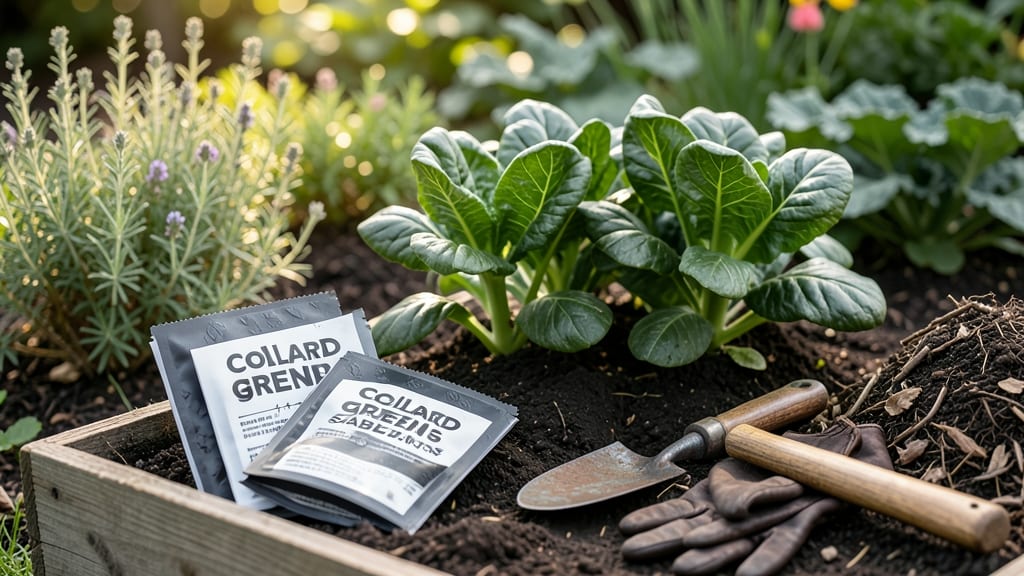
Planting collard greens at the wrong time in Alabama can turn your garden into a bitter disappointment—unless you know the exact frost-date window for your county. These leafy greens 🥬 thrive in Alabama’s mild winters, but timing is everything for sweet, tender harvests.
Most gardeners in zones 7a-8b miss the two best planting windows: late summer for fall harvests or early spring for summer crops.
I’ll break down the science behind Alabama’s frost patterns and show you how to align your planting schedule with your local climate—so you’re never left with tough, woody leaves.
Whether you’re a beginner or a seasoned gardener, this guide will help you avoid common mistakes like planting too early (risking frost damage) or too late (missing the cool-season sweet spot). You’ll learn how to stretch your harvest by staggering plantings and which varieties handle Alabama’s heat best.
Ready to grow collards that taste like they came from a Southern grandma’s garden? Let’s get started with the planting calendar that actually works for Alabama’s unique growing conditions.
Alabama’s collard green planting windows by frost zone and county
Alabama’s USDA hardiness zones 7a-8b create perfect conditions for growing collard greens, but timing is everything. These cold-hardy greens thrive in cool weather but bolt quickly when temperatures climb above 85°F.
The key? Planting in fall and spring windows that align with your county’s frost dates—which can vary by 10-14 days across the state.
Northern counties like Madison and Marshall experience earlier frosts, while southern regions like Mobile and Baldwin enjoy longer growing seasons.
I’ve broken down the ideal planting windows for both heat-tolerant varieties (like Georgia Southern) and cold-hardy types (such as Vates), so you can maximize your harvest from October through May.
Use this frost-date map as your guide: most of Alabama’s last frost occurs around March 15, while the first frost typically arrives by November 15. For a continuous harvest, stagger plantings every 2-3 weeks during these windows.
| USDA Zone & County | Last Frost Date | First Frost Date | Spring Planting Window | Fall Planting Window | Recommended Variety |
|---|---|---|---|---|---|
| 7a (Madison, Marshall, DeKalb) | March 1-15 | November 1-15 | March 20 - April 30 | August 1 - September 15 | Vates (cold-hardy) |
| 7b (Jefferson, Shelby, Tuscaloosa) | March 10-20 | November 10-20 | March 25 - May 1 | August 10 - September 20 | Georgia Southern (heat-tolerant) |
| 8a (Birmingham, Montgomery, Auburn) | March 15-25 | November 5-15 | April 1 - May 10 | August 15 - September 25 | Top Bunch (versatile) |
| 8b (Mobile, Baldwin, Escambia) | March 20-30 | November 20-December 1 | April 10 - May 15 | August 20 - October 5 | Blue Max (heat-resistant) |
For spring plantings, aim to sow seeds 4-6 weeks before your last frost date.
In zone 7a, this means starting as early as March 20, while zone 8b gardeners can wait until April 10. Transplant seedlings when soil temperatures reach 50°F—use a soil thermometer to check!
Fall is my favorite time to grow collards—they sweeten after frost and thrive in cool nights. Plant 8-10 weeks before your first frost for a winter harvest.
In Madison County, this means August 1, but in Mobile County, you can push it to September 20.
If you’re in a transition zone (like Jefferson County), opt for heat-tolerant varieties like Georgia Southern for summer plantings. These hold up better in 90°F+ temperatures but still prefer partial shade during peak heat. Always mulch heavily to retain moisture and cool roots.
Pro tip: Direct-sow seeds in fall for the easiest success—collards germinate best
How to adjust planting timing for Alabama’s microclimates
Alabama’s diverse geography creates microclimates that can shift your collard greens planting window by 2-4 weeks between urban Birmingham and rural Dale County. Urban areas like Huntsville often experience earlier frosts due to concrete heat absorption, while rural valleys like those in Madison County stay warmer longer.
Understanding these differences helps you avoid bitter-tasting leaves or stunted growth—both common when planting at the wrong time.
For urban gardeners, I recommend using soil thermometers to confirm when temperatures stabilize above 50°F (10°C)—this often means delaying spring planting by 7-10 days compared to rural areas. In contrast, rural elevations (like those in Jackson County) can plant 1-2 weeks earlier because cooler nights arrive later.
Always check your local USDA zone (7a-8b in Alabama) and adjust accordingly.
⚠️ callout warning
Urban gardens (e.g., Montgomery) may face earlier frosts due to heat islands. Plant 10-14 days later than rural guides suggest. Rural areas (e.g., Mobile) can plant early but risk bolting if temps spike above 85°F (29°C). Always verify with a soil thermometer—collards thrive at 55-75°F (13-24°C).
Pro Tip: Use row covers in urban areas to extend the season by 2-3 weeks.
Elevation plays a critical role in Alabama’s microclimates. For every 1,000 feet in elevation gain (like moving from lowland Baldwin County to Appalachian-like areas in DeKalb County), expect 5-7°F cooler nighttime temps.
This means higher elevations can plant collard greens 2 weeks earlier in spring without frost risk. Always adjust your planting calendar based on your specific elevation—not just county averages.
Soil thermometers are your best tool for fine-tuning planting. Insert one 2 inches deep and wait until morning soil temps consistently hit 50°F (10°C) for spring or 60°F (15°C) for fall.
In Montgomery, this might mean planting March 20-25, while in Dothan, you could start as early as February 25. Pro tip: Rent a thermometer if you’re unsure—many garden centers offer free demos during planting season.
Urban gardeners also face heat stress from pavement and buildings. If your collard greens start looking yellow or wilted in summer, it’s likely heat-related. To combat this, I plant heat-tolerant varieties like ‘Georgia Southern’ and use shade cloth (30%) during peak afternoon sun.
Rural gardeners, meanwhile, should watch for late-season frosts in October/November—always have row covers ready to protect tender leaves.
For maximum yield, I recommend staggered planting: sow half your seeds at the optimal time, then repeat in 2-3 weeks. This ensures a continuous harvest regardless of microclimate quirks.
In Birmingham’s urban heat, this might mean March 15 + April 1; in rural Talladega, try February 28 + March 15. Track your results and adjust next year—gardening is a science, but your data makes it an art.