
Plants
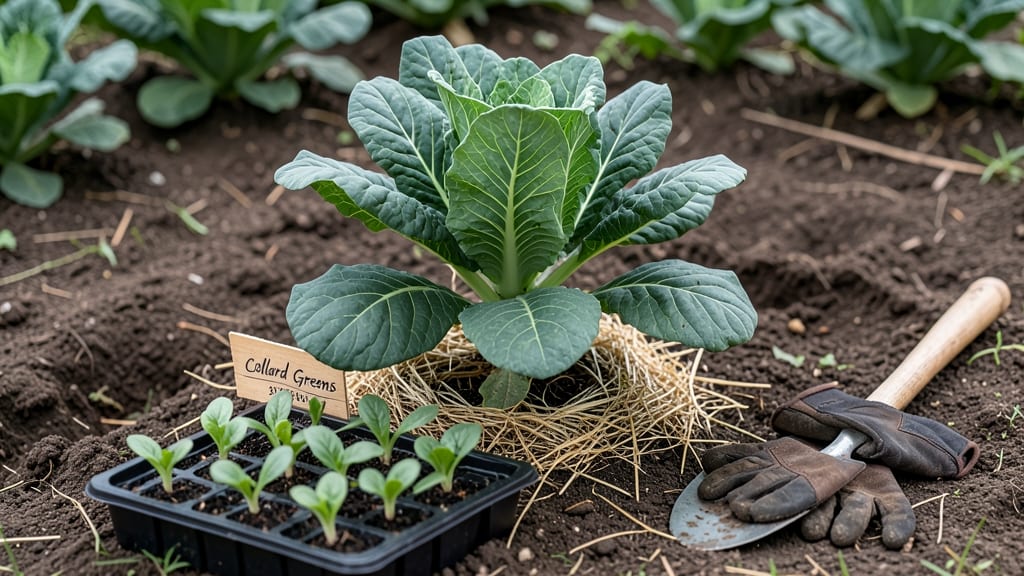
Planting collard greens 🥬 in Georgia isn't just about timing—it's about beating the heat and frost to grow the sweetest, most tender leaves all year. If you've ever struggled with bitter greens or plants that bolt too soon, you're not alone.
Georgia's 7b-8b climate gives you two prime windows to plant, but getting them wrong means sacrificing flavor and yield.
The key is understanding when to start seeds or transplants for a fall crop that thrives through winter or a spring planting that avoids summer's scorching heat.
I've tested these methods over years in Georgia's soil, and the difference between a successful harvest and a disappointing one often comes down to just a few weeks of perfect timing.
In this guide, I'll break down the exact months to plant for both fall and spring crops, including how to stretch your growing season with shade tricks and succession planting.
Whether you're a first-time gardener or a seasoned pro, these insights will help you grow collards that taste like they came straight from a Southern kitchen.
Ready to transform your garden into a year-round collard green powerhouse? Let's dive into the secrets that work in Georgia's heat and humidity—no guesswork required.
Georgia’s best collard green planting windows: avoid heat stress and bolting
Collard greens thrive in Georgia’s mild winters and warm springs, but heat stress and bolting can ruin your harvest if planted at the wrong time. The key is understanding Georgia’s 7 climate zones (7a-8b) and their frost dates.
In most regions, fall planting yields the sweetest leaves, while spring planting extends your harvest into summer. Let’s break down the optimal planting windows to keep your collards happy and productive.
Georgia’s climate varies dramatically from the cooler mountain regions (Zone 7a) to the hotter coastal plains (Zone 8b). For example, Zone 7a (like the Blue Ridge Mountains) can experience earlier frosts, while Zone 8b (like Savannah) may see milder winters.
This means your planting schedule should shift based on your location. Below, we’ll cover the best months for each season, along with temperature thresholds to avoid stress.
⚠️ CRITICAL TEMPERATURE THRESHOLDS: Collard greens bolt (go to seed) when exposed to consistent temperatures above 85°F. They also suffer heat stress in prolonged 90°F+ conditions. In Georgia, this typically happens in June, July, and August, making these months high-risk for summer planting. Conversely, they tolerate light frosts down to 20°F, making them ideal for fall and winter harvests.
Here’s your Georgia-specific planting calendar for collard greens, tailored to each season and climate zone. Use this as your roadmap to year-round success, whether you’re in Athens (Zone 8a), Savannah (Zone 8b), or Dahlonega (Zone 7a).
For Zone 7a gardeners (e.g., Blue Ridge Mountains), focus on fall and winter planting. The first frost typically arrives by mid-November, so aim to plant collards by late August to harvest before cold sets in.
In Zone 8b (e.g., Savannah), you can push planting into early October and even late March for spring crops, thanks to milder winters.
If you’re succession planting for continuous harvests, start with early August and late March
How to extend your collard green harvest: succession planting and heat tolerance hacks
Georgia’s summer heat can turn your collard greens into bitter, stressed plants—but with the right strategies, you can keep harvesting tender leaves all year. The key lies in succession planting and heat management, two techniques that prevent harvest gaps and bolting.
By staggering plantings and using shade cloth, you’ll outsmart the 90°F+ temperatures that plague Georgia gardens. Let’s dive into the 3-step shade system and variety choices that work best in our climate.
First, choose heat-tolerant varieties like ‘Georgia Southern’ or ‘Top Bunch’, bred to thrive in Southern summers. These varieties resist bolting better than standard types, giving you more time to harvest before the heat sets in.
Pair them with succession planting—sowing new seeds every 2-3 weeks—to ensure a continuous supply of fresh greens. This method works especially well in Georgia’s Zone 7b-8b, where summers are long and intense.
- Step 1: Shade Cloth Setup – Install 30-50% shade cloth over seedlings when temps hit 85°F+. Remove it by late afternoon to allow sunlight for photosynthesis.
- Step 2: Staggered Plantings – Sow seeds every 2-3 weeks from March to September. This ensures a continuous harvest without gaps.
- Step 3: Mulch & Water – Apply 2-3 inches of mulch to retain moisture and keep roots cool. Water deeply in the early morning to reduce evaporation.
For summer plantings, start seeds indoors in late May and transplant outdoors in early June, once soil temps drop below 80°F. Use drip irrigation to deliver water directly to the roots, avoiding leaf wetness that can lead to fungal issues.
This method is especially effective in Georgia’s humid climate, where fungal diseases like downy mildew thrive. By keeping leaves dry and soil moist, you’ll encourage healthier growth and larger yields.
Another pro tip: harvest outer leaves first to encourage bushier growth. This practice works year-round but is critical during summer when plants are under stress. Leave the inner leaves to mature, ensuring your collards keep producing.
If you notice leaves turning yellow or bitter, it’s a sign of heat stress—time to adjust your shade cloth or water more frequently. With these strategies, you’ll enjoy sweet, tender collards even in Georgia’s hottest months.
Don’t forget to fertilize lightly every 4-6 weeks with a balanced 10-10-10 mix during the growing season. Avoid over-fertilizing, as this can lead to rapid bolting. Instead, focus on consistent care—watering, shading, and harvesting correctly—to keep your collards thriving.
By mastering these techniques, you’ll turn Georgia’s summer heat into an advantage, not a challenge.
With a little planning, your collard green harvest can stretch from spring to fall, giving you a steady supply of nutritious greens. Try these methods in your garden this season and enjoy the rewards of a year-round collard harvest! 🌿