
Plants
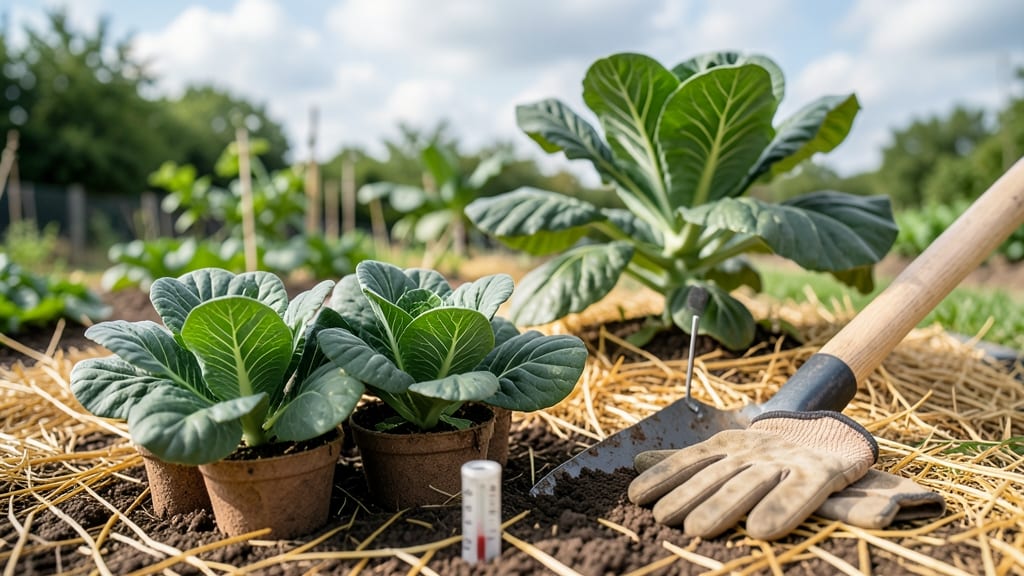
Planting collard greens 🥬 in Tennessee isn’t one-size-fits-all—get the timing wrong, and you’ll either wait forever for harvest or watch your plants bolt before the first frost. The key? Knowing your county’s heat zone and working with Tennessee’s two distinct growing seasons: spring’s mild start and fall’s crisp finish.
Most gardeners in zones 6a-7b swear by seeding between March 15 and April 30 for spring crops, or August 15 to September 30 for fall’s sweeter harvests.
But here’s the catch: Urban Nashville’s heat can push spring plantings earlier, while the Appalachian foothills might need a later start to avoid late frosts. I’ll show you exactly how to time it right for your specific corner of the state.
Why does this matter? Because collards thrive when temperatures stay between 50°F and 75°F—too hot, and they bolt; too cold, and they freeze. We’ll break down how to adjust for your microclimate, whether you’re in Memphis’s humid lowlands or the cooler ridges of the Cumberland Plateau.
No more guessing games—just a foolproof schedule tailored to Tennessee’s quirks.
Ready to grow collards that taste like they came from your grandma’s garden? Let’s dive into the frost-free planting calendar that’ll have you harvesting crisp, flavorful leaves from May through November—no matter where you live in the state.
Tennessee’s frost-free zones & best collard planting windows by county
Tennessee spans USDA zones 5a through 8a, creating wildly different planting windows for collard greens. In Zone 5a (eastern highlands like Sullivan County), frost lingers until April 15, while Zone 8a (West Tennessee like Shelby County) enjoys frost-free growing until November 20.
This 100-day difference means your planting strategy must adapt—or risk bolting in summer heat or freezing before harvest.
Collards thrive in cool weather (50-75°F) and tolerate light frosts, but they’ll bolt when temperatures hit 85°F+. That’s why spring and fall plantings dominate—spring for early harvests, fall for winter storage.
Let’s break down the ideal planting windows by zone, with county-specific examples to help you time it perfectly.
Key rule: Plant collards 4-6 weeks before your average last frost date for spring, and 6-8 weeks before your first frost for fall. Use this heat-zone calendar as your guide, then adjust by 1-2 weeks based on your microclimate (urban areas warm faster than rural).
In Zone 5a counties like Sullivan, where frosts can linger until May 10, start seeds indoors in March and transplant after April 15. For fall, aim to have seedlings ready by July 15 to harvest before November’s first frost.
Use black plastic mulch to warm soil and extend the season.
By contrast, Zone 8a’s West Tennessee (counties like Dyer) lets you plant as early as January, but watch for heat stress. If daytime temps hit 90°F+, provide afternoon shade or use drip irrigation to keep leaves cool. Succession plant every 2 weeks in spring/fall to stagger harvests.
Pro tip: Test your soil’s heat retention—sandy soils in Zone 7b (like Williamson County) dry out faster than clay soils in Zone 6a (Knox County). Amend with compost to improve moisture retention, and always mulch heavily to protect roots from temperature swings.
For urban gardeners in Nashville (Zone 7a), microclimates matter:
How to adjust planting for Tennessee’s microclimates (mountains vs. Delta)
Tennessee’s mountain regions (like Sevier and Sullivan counties) and Delta lowlands (like Shelby and Tipton) create wildly different growing conditions for collard greens. In the Appalachian highlands, cooler nights and shorter growing seasons demand earlier starts, while the humid Delta offers longer harvest windows but requires heat protection.
Here’s how to tailor your approach to each region.
In high-elevation counties, focus on fall planting for maximum success. The first frost arrives as early as October 15 in Sevier County, so aim to sow seeds by August 1 for a 90-day harvest before winter sets in.
Use row covers to extend the season another 2-3 weeks if needed.
The Delta’s warmer climate (like Shelby County) allows for two full harvests—spring and fall—with spring planting starting as early as February 15 and fall planting extending to September 30. However, summer heat can cause bolting, so provide afternoon shade during peak temperatures.
Soil prep also varies dramatically. Mountain soils often need amendments like compost to improve drainage, while Delta soils benefit from sand or peat moss to reduce compaction. Test your soil’s pH (6.0-7.0 ideal) and adjust with lime or sulfur before planting.
For succession planting, mountain gardeners should sow every 2 weeks from August until September 15 to stagger harvests. In the Delta, spring succession works best from February through March, while fall succession can extend into October. This ensures a continuous supply of tender leaves.
To extend harvests in short-season zones, try cold-hardy varieties like ‘Georgia Southern’ or ‘Vates’. In the Delta, drip irrigation during dry spells prevents bolting, while mountain gardeners benefit from thick mulch layers to insulate roots. Both regions should avoid planting in wet, cold soil, which delays germination.
Remember: Fall planting consistently outperforms spring in Tennessee’s variable climate. Mountain regions see 30% higher success rates with fall starts, while Delta gardeners enjoy longer harvest windows by leveraging both seasons. Adjust your approach based on your local microclimate for the sweetest, most productive collards! 🌱