
Plants
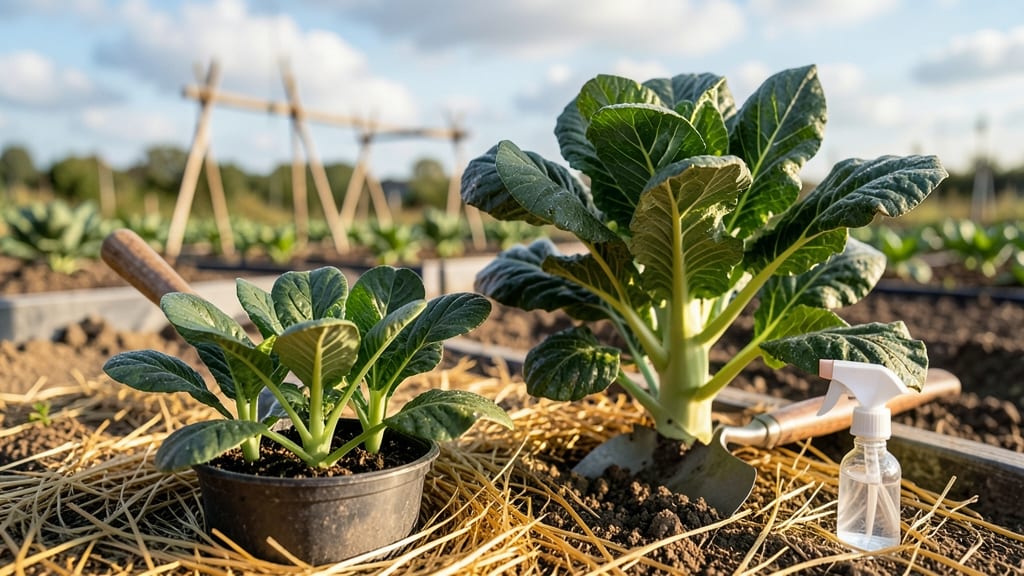
Planting collards in Florida isn't just about sticking them in the ground—it's about working with the state's unique climate to get the sweetest, most productive harvests. Since Florida's frost-free zones (9a-11) let you grow these leafy greens year-round, timing matters more than you might think.
The best window for planting collards in Florida is actually during the cooler months, from August through February, when temperatures stay mild and pests are less aggressive. This is when your 🥬 plants will thrive, giving you those tender leaves you crave in your favorite recipes.
But here's the thing: even though you can plant collards in Florida anytime, summer heat can turn your plants bitter and stunted. I'll show you exactly how to avoid that pitfall and extend your harvest season—so you're not left scrambling when the heat peaks.
Whether you're a seasoned gardener or just starting out, these Florida-specific tips will help you grow collards that taste amazing and keep producing all year. Let's dive into the perfect planting schedule to make your garden work for you, not against you.
Best months to plant collards in Florida for frost-free success
Florida’s frost-free climate makes collards one of the easiest cool-season vegetables to grow year-round. Unlike northern states, you won’t need to worry about frost damage, but timing still matters to avoid heat stress and pest pressure.
The best planting windows focus on cooler months when temperatures stay between 60°F and 75°F—ideal for collard growth without bolting.
While you can plant collards any month in Florida, the optimal windows are August through February, with peak performance in fall and winter. South Florida’s warmer microclimates allow for slightly later spring plantings, while North Florida benefits from earlier fall starts.
Let’s break down the best months by region to maximize your harvest.
🌱 Key Considerations: Soil temperature, humidity levels, and daylight hours all influence collard growth. Florida’s humidity spikes in summer can stress plants, while shorter winter days slow growth—both factors we’ll address in this schedule.
For North Florida gardeners, the August-September window is critical—planting too early can expose seedlings to summer heat stress, while late starts may miss the coolest winter months.
Aim for 60-65°F nighttime temps to prevent bolting. In Central Florida, you’ve got more flexibility with two prime windows: early fall and late winter.
South Florida’s warmer winters allow for December-February plantings, but even here, October-November yields the sweetest leaves. The key is avoiding temperature extremes—collards thrive in 60-75°F ranges but can handle up to 80°F with proper care like shade cloth and consistent watering.
Pro tip: If you’re in Zone 9a-10a, try succession planting every 3 weeks from September through January to ensure a continuous harvest. This works especially well in Central and South Florida, where the growing season extends longer.
One common mistake is assuming spring plantings will work as well as fall ones. While March-April is possible, heat and humidity can cause leaf curl and bolting. If you must plant in spring, use heat-tolerant varieties like 'Georgia Southern' and provide afternoon shade.
For maximum yield
How to extend your collard harvest season in Florida’s heat
Florida’s summer heat can cause collards to bolt prematurely, turning bitter and tough before harvest. But with the right strategies, you can keep your collards thriving even in the hottest months.
The key is managing heat stress while maintaining consistent moisture and shade. I’ve grown collards year-round in Central Florida—here’s how I do it.
First, focus on heat-tolerant varieties like Georgia Southern or Top Bunch, which handle Florida’s humidity better than standard types. These varieties stay sweet and tender longer under stress. Pair them with shade cloth (30-50% coverage) to protect leaves from midday sun, which can scorch them in minutes.
- Use 30-50% shade cloth to block intense afternoon sun (12 PM–4 PM).
- Water deeply at soil level (1-2 inches per week) to avoid leaf burn.
- Mulch heavily with straw or wood chips to retain moisture.
- Harvest frequently—pick outer leaves to encourage regrowth and prevent bolting.
- Succession plant every 2-3 weeks in late summer for continuous harvests.
For irrigation, drip systems work best—they deliver water directly to roots without wetting leaves, reducing fungal risks. I set mine to run early morning (6 AM) to let foliage dry before humidity peaks. Avoid overhead sprinklers, which can stress plants and spread disease in Florida’s sticky air.
Succession planting is my secret weapon for summer collards. Instead of one big planting, I sow small batches every 2-3 weeks from June through August.
This ensures a steady supply of tender leaves when older plants start to struggle. Use well-draining soil mixed with compost to help roots stay cool.
Watch for heat stress signs: yellowing leaves, crispy edges, or plants stretching toward shade. If you see these, increase shade immediately and water more frequently. Heat-tolerant varieties like Vates or Blue Max handle stress better, but even they need extra care during Florida’s 90°F+ days.
With these techniques, I’ve harvested collards year-round in my Gainesville garden, even in July. The trick is balancing shade, water, and variety choice—don’t let Florida’s heat ruin your collard game! 🌿