
Plants
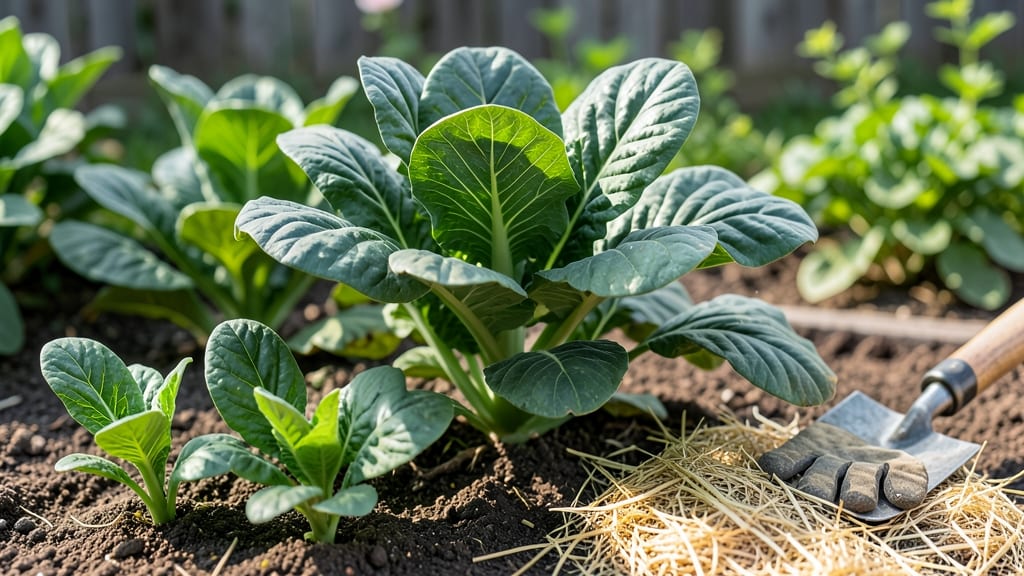
Planting collards at the wrong time in Georgia can turn your garden into a bitter disappointment—those tender greens you crave will bolt into tough, stringy leaves before you even get a harvest.
The key to sweet, flavorful collards lies in timing it just right, whether you're in North Georgia's cooler hills or the warmer South.
Most gardeners know collards thrive as a cool-season crop, but Georgia's climate throws a curveball. Too early, and frost zaps your plants; too late, and the heat sends them running to seed.
I've grown collards in Georgia for years, and let me tell you—getting the spring and fall windows perfect makes all the difference for zero bolt success.
What you'll discover here is exactly when to put those seeds in the ground for your region, plus pro tips to stretch your harvest through summer's heat. We're talking soil temperatures, frost dates, and even which varieties handle Georgia's swelter best. Ready to grow collards that actually taste good?
The secret isn't just about when to plant—it's about working with Georgia's unique microclimates. From the Piedmont's rolling hills to the coastal plain's humidity, each area needs slightly different timing.
I'll break down the exact months that work best and show you how to keep your collards producing sweet leaves all season long.
Georgia collard planting calendar: best months to avoid bolting
Georgia’s collard greens love the state’s mild winters and warm springs, but timing is everything to prevent bitter bolting. Plant too early, and frost will damage tender seedlings.
Plant too late, and summer heat triggers early flowering. The key? Cool-season windows when soil temps stay between 55°F and 75°F—perfect for sweet, tender growth.
North Georgia’s USDA Zones 7a-7b face earlier frosts, while South Georgia’s Zones 8a-8b enjoy longer growing seasons. This means your planting calendar should adjust based on your microclimate. For example, Athens gardeners can plant earlier than Dalton growers due to milder winters.
Collards thrive in spring and fall, but avoid summer planting unless you’re using shade cloth. The ideal soil temperature for germination is 60°F–70°F. If your soil heats above 80°F, seeds may rot, and plants will bolt prematurely.
Here’s the breakdown of your Georgia collard planting calendar, tailored for North vs. South Georgia:
| Planting Window | North Georgia (Zones 7a-7b) | South Georgia (Zones 8a-8b) | Key Considerations |
|---|---|---|---|
| Early Spring | March 15 – April 15 | February 20 – March 30 | Soil temps 55°F–65°F. Use row covers for frost protection. |
| Late Spring | April 20 – May 10 | April 1 – April 20 | Avoid planting after May 15 in North GA—heat stress risks. |
| Fall | August 1 – September 15 | July 15 – August 30 | Plant 60–75 days before first frost. South GA can extend to October 15. |
| Summer (Risky) | June 1 – July 15 (with shade) | June 1 – August 1 (with shade) | Use 30–50% shade cloth and daily watering. Yields may be lower. |
For North Georgia, aim to plant collard seeds in early spring (March–April) when the last frost date has passed (typically March 15 in Atlanta and March 1 in Savannah).
In fall, start by August 15 to harvest before winter sets in. Dalton and Gainesville may need to adjust by 1–2 weeks earlier due to colder microclimates.
In South Georgia, you can push the envelope. Plant collards in late winter (February–March) for an early harvest, or sow again in late summer (July–August) for a fall crop. The Valdosta area can even enjoy year-round growth with proper shade and irrigation during peak summer.
Pro tip: Use a soil thermometer to confirm temps before planting. If your soil is below 55°F, wait—cold soil delays germination. For transplants, harden off seedlings for 7–10 days before setting them out to avoid shock.
Bolting is your biggest enemy, and it’s triggered by heat stress or long days. To prevent it, avoid planting after May 15 in North GA or June 15 in South GA unless you’re using shade solutions. Instead, focus on fall planting for the sweetest, most tender collards.
For succession planting, sow new seeds every 2–3 weeks during your ideal window. This ensures a continuous harvest from spring through fall. Just remember: collards are cool-season crops, so they’ll bolt if stressed by heat.
🌱
How to extend collard season in Georgia’s heat: cooling tricks for summer planting
Georgia’s summer heat can turn your collard greens into bitter, bolted messes if you’re not careful. But with the right cooling strategies, you can grow sweet, tender collards even in July and August. The key is mimicking cooler conditions while keeping roots hydrated and soil temperatures stable.
I’ve learned through trial and error that shade cloth, mulching, and smart watering are non-negotiable for summer success. These tricks create a microclimate that delays bolting—when collards send up flower stalks—so you can enjoy harvests well into autumn.
- 🌿 Shade Cloth (30-50%): Install 4-6 feet above plants to reduce soil temps by 10-15°F. Use white cloth for maximum cooling.
- 🪴 Mulch Thickly (4-6"): Straw or wood chips block heat from reaching roots. Replenish every 4-6 weeks as it breaks down.
- 💧 Drip Irrigation (Early AM): Keep soil consistently moist but never soggy. Run systems for 30-45 minutes daily during peak heat.
- 🌱 Companion Plants: Interplant with bush beans or radishes to shade soil naturally and deter pests.
- ✂️ Harvest Strategically: Pick outer leaves first to reduce plant stress. Avoid taking more than 1/3 of plant at once.
For peak summer planting, aim for late June in North Georgia and early July in South Georgia. Choose heat-tolerant varieties like Vates or Georgia Southern—they handle 90°F+ better than traditional types. Start seeds indoors 4-6 weeks before transplanting to give them a head start.
I’ve found that container growing works exceptionally well for summer collards. Use 12-inch pots with well-draining mix and place containers on elevated stands to improve airflow. This setup prevents soil from overheating while making irrigation easier.
Monitor your plants daily for signs of stress: yellowing leaves or curling edges mean it’s time to adjust shade or water. With these cooling tricks, you’ll enjoy sweet collards straight from your garden through September and October—just in time for your favorite soul food dishes.