
Plants
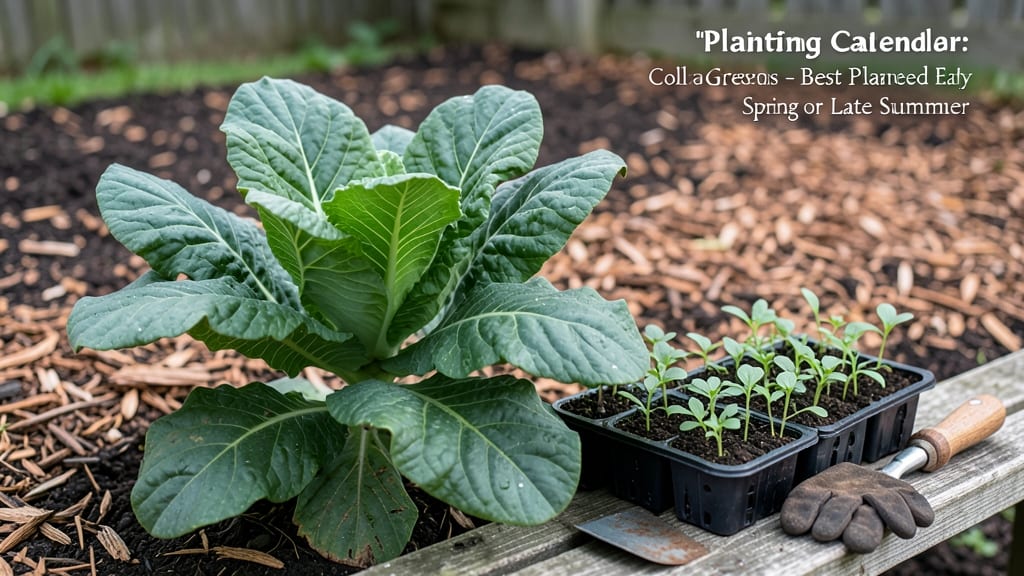
If you’ve ever wondered why your 🥬 collards bolt into bitter flowers instead of producing tender leaves, the answer lies in Georgia’s tricky climate—and the perfect planting window. Planting too early in the mild 7b-8b zones can trigger heat stress, while waiting too long risks frost damage before harvest.
The secret to zero-bolt success? Timing your collards 4-6 weeks before Georgia’s last frost in spring or 6-8 weeks before the first frost in fall.
Georgia’s long growing season gives you two prime chances to grow collards: spring and fall. But unlike cooler climates, heat tolerance is key—especially in zones like 8b, where temperatures can push plants into early bolting.
I’ll break down exactly when to plant in Atlanta, Savannah, and coastal areas, plus how to adjust for your specific microclimate to keep your greens sweet and productive all season.
Most gardeners make one of two mistakes: planting too soon and dealing with heat stress, or waiting too late and losing crops to frost. The good news?
With the right timing and a few simple tricks—like choosing heat-tolerant varieties and managing soil temperature—you can extend your collard season for continuous harvests from May through November. Let’s dive into the exact planting schedule that works for Georgia’s diverse heat zones.
Whether you’re a first-time gardener or a seasoned pro, getting collards right in Georgia comes down to understanding your local frost dates and heat thresholds. I’ll walk you through the ideal planting windows, how to prepare your soil, and even when to transplant for maximum success.
By the end, you’ll know exactly when to plant collards in Georgia—and how to keep them thriving until your last harvest.
Georgia heat zone planting windows for collards by region
Georgia’s diverse climate—from mountainous Zone 5A to coastal Zone 8B—means collard planting windows vary dramatically. In Zone 7B (Atlanta), you’ll plant 4-6 weeks before last frost (March), while Zone 8B (Savannah) gardeners can start as early as February.
The key is avoiding bolting from heat stress (above 85°F) or frost damage. Here’s your region-specific planting calendar to maximize leafy harvests.
Collards thrive in cool-season windows, but Georgia’s heat zones create distinct planting thresholds. For example, Zone 5A (Blue Ridge Mountains) has a 100-day frost-free window, while Zone 8B (coastal areas) enjoys 270+ frost-free days.
This means coastal gardeners can plant fall crops until September, while mountain gardeners must finish by May.
🌱
| Heat Zone | Avg. Last Frost | Spring Planting Window | Fall Planting Window | Heat Threshold (°F) | Key Regions |
|---|---|---|---|---|---|
| 5A | March 25 | March 15-30 | August 1-15 | 78°F | Blue Ridge Mountains |
| 6A | March 15 | March 1-15 | August 15-30 | 80°F | North GA (Dalton) |
| 7A | March 1 | February 25-March 15 | September 1-15 | 82°F | Atlanta suburbs |
| 7B | February 28 | February 15-March 1 | September 15-30 | 84°F | Atlanta, Athens |
| 8A | February 15 | January 30-February 15 | October 1-15 | 85°F | Macon, Columbus |
| 8B | January 31 | January 15-February 1 | October 15-November 1 | 86°F | Savannah, Brunswick |
🌡️ Note: Coastal areas (Zone 8B) can push fall planting to November 1 with frost cloth.
In Zone 7B (Atlanta), where I garden, I start seeds indoors February 15 and transplant March 1 to beat heat stress. For Zone 8B (Savannah), gardeners can direct-sow January 15 for early harvests, but watch for false springs—temperatures can spike to 85°F by March, triggering bolting.
Coastal regions like Brunswick (Zone 8B) have the longest windows: plant fall collards until November 1 with frost protection. Mountain zones (Zone 5A) must finish by May 15 to avoid summer heat.
My Georgia Southern variety handles heat better than Vates, but even it bolts above 88°F.
💧 Pro Tip: In Zone 8A/B, mulch with straw to keep soil temps below 85°F—this delays bolting by 2-3 weeks. I’ve seen collards survive light frosts (28°F), but hard frosts (25°F) kill them, so time fall plantings for harvest before November 15.
For spring harvests, aim to have mature leaves by late May (Zone 7B) or June 1 (Zone 8B). In Zone 5A, harvest before
How to extend collard season in Georgia without bolting
Georgia’s heat can turn your collard greens into bitter, flowering plants faster than you’d like. The key to zero-bolt success lies in strategic timing and protective measures. I’ve learned that fall plantings often yield sweeter leaves because cooler temps prevent bolting, but spring can work too with the right tricks.
Let’s break down how to stretch your collard season from early spring to late fall.
First, choose heat-tolerant varieties like ‘Georgia Southern’ or ‘Top Bunch’, bred to handle Georgia’s climate better than standard types. These varieties stay productive longer, even when temps flirt with 85°F+.
Pair them with succession planting—sow seeds every 2-3 weeks—to keep a steady harvest without overwhelming your garden at once.
- Shade Cloth Magic: Use 30-50% shade cloth over seedlings during peak afternoon sun (12 PM–4 PM). This drops soil temps by 10-15°F, delaying bolting. Secure cloth 3 feet above plants to allow airflow.
- Succession Planting: Start spring plantings in late February–early March (6 weeks before last frost) and fall plantings in mid-August (8 weeks before first frost). Space seeds 1 inch apart in rows 18 inches apart for easy thinning.
- Soil Temp Control: Test soil temps with a soil thermometer—ideal range is 60-75°F. If temps rise above 80°F, water deeply early morning to cool roots. Mulch with straw or leaves to maintain even moisture.
For spring plantings, focus on soil prep first. Amend beds with compost and aged manure to boost nitrogen, which collards crave. Work in 2-3 inches of organic matter before planting to improve drainage—Georgia’s clay soils can bake plants otherwise.
After sowing, keep seeds moist with drip irrigation until true leaves emerge.
In fall, the real magic happens. Plant 6-8 weeks before first frost (typically mid-August in most of Georgia) to let plants mature before cold sets in. A light row cover in late September can protect tender leaves from light frosts (28-32°F), sweetening the flavor.
Harvest outer leaves first to encourage bushier growth and extend the season by 4-6 weeks.
Don’t forget pest watch—collards attract cabbage worms and aphids, especially in humid summers. Handpick pests or use neem oil weekly to keep plants healthy. With these tactics, you’ll enjoy fresh collards from March to November—no bolting in sight!
Pro tip: Save seeds from your best plants! Let a few healthiest collards bolt naturally, then collect seeds for next year’s Georgia-adapted crop. 🥬