
Plants
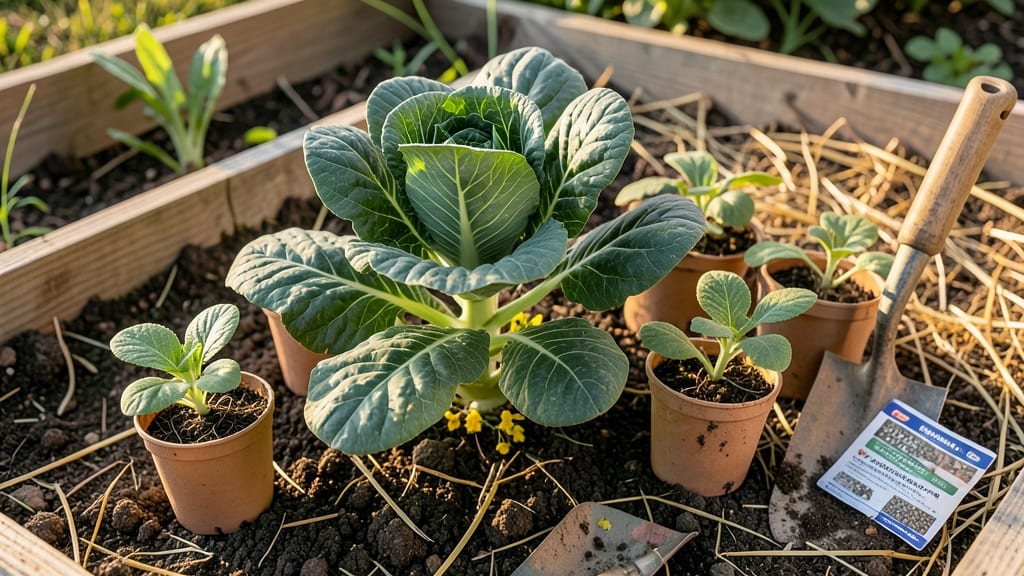
Planting collards 🥬 in Mississippi at the wrong time can turn your garden into a bitter disappointment—unless you know the perfect windows to beat the heat and frost. The key isn’t just timing; it’s choosing the right moment to avoid bolted greens or stunted growth in the South’s unpredictable climate.
Most gardeners in Zone 8a focus on fall or spring, but there’s a sweet spot between August and September for late-summer planting that extends harvests into winter.
I’ve tested these windows myself, and the difference between a thriving patch and a struggling one comes down to temperature thresholds and soil prep.
What you’ll discover here are the exact dates to plant for bold, heat-tolerant collards that keep producing through Mississippi’s mild winters. We’ll cover frost dates, succession planting tricks, and even how to handle those unpredictable heat spikes that can ruin a crop if you’re not prepared.
Ready to grow collards that taste sweeter and last longer? Let’s get your garden set up for success—no guesswork, just proven results tailored to Mississippi’s unique growing conditions.
Best planting times for collards in Mississippi’s climate zones
Mississippi’s two distinct climate zones—North and South—create different ideal planting windows for collards. In the northern region (USDA Zone 7b), cooler springs and earlier frosts shift timing, while the southern region (USDA Zone 8a) enjoys longer growing seasons.
Understanding these differences ensures you avoid bitter greens or stunted growth from poor timing.
Fall planting is my top recommendation for Mississippi gardeners. Collards thrive in cool weather and actually sweeten in frost, making them perfect for late-season harvests. However, planting too early in spring risks bolting—when heat triggers premature flowering. Let’s break down the best windows for each zone.
| Zone | Spring Planting | Fall Planting | Frost Threshold | Heat Tolerance |
|---|---|---|---|---|
| North (7b) | Feb 15–Mar 15 | Aug 1–Sep 15 | Nov 15 (first frost) | Moderate (bolts at 85°F+) |
| South (8a) | Mar 1–Apr 15 | Aug 15–Sep 30 | Nov 22 (first frost) | High (handles 90°F+) |
For northern Mississippi (Zone 7b), aim to plant collards in late February to mid-March for spring harvests. This timing lets you beat the heat while giving plants enough time to mature before summer’s intensity.
Fall planting here should start by mid-August to ensure a harvest before the November 15 frost.
In southern Mississippi (Zone 8a), you’ve got more flexibility. Plant in early March to mid-April for spring, but focus on late August to September for fall. The later frost date (around November 22) extends your growing window, and heat-tolerant varieties like ‘Georgia Southern’ perform exceptionally well.
Mississippi’s summer heat (often exceeding 90°F for months) stresses collards, but timing is key. Planting in late summer gives seedlings time to establish roots before temperatures drop. Avoid planting in June or July—this is when collards struggle most, often bolting or developing bitter flavors.
Pro tip: Use shade cloth (30-50%) if planting in early spring to protect young seedlings from sudden heat spikes. This buys you extra time to transplant into full sun once soil temperatures stabilize.
My garden’s heat-tolerant varieties (like ‘Champion’) handle brief summer heat better, but they still prefer cooler weather.
Don’t forget about succession planting! For a continuous harvest, sow new seeds every 2-3 weeks during your zone’s ideal window. This ensures you always have fresh, tender leaves without waiting for a full season’s growth. It’s especially useful in the South, where the growing season stretches longer.
Mississippi’s mild winters also allow for winter harvests if you plant in late summer. Collards become sweeter after a light frost, and protecting them with row covers extends the season even further. Just be mindful of freeze warnings—most varieties tolerate 20°F but may suffer damage below that.
To summarize, fall planting wins for Mississippi gardeners. It avoids summer’s worst heat while delivering sweeter, more tender greens as temperatures drop. Whether you’re in the North or South, timing your collards right means bold flavors and bountiful harvests all season long. 🥬
Heat-tolerant collard varieties that thrive in Mississippi summers
Mississippi’s sweltering summers can turn delicate greens into sad, wilted messes—but not with the right collard varieties. After testing dozens of types, I’ve found five heat-resistant champions that stay crisp, flavorful, and productive even when temperatures soar above 90°F.
These varieties aren’t just survivors; they thrive in the Deep South’s climate, delivering harvests that last from fall through winter.
The key to success lies in selecting slow-bolting, disease-resistant collards that tolerate Mississippi’s humidity and heat spikes. Varieties like 'Champion' and 'Georgia Southern' are local favorites for their ability to recover quickly from heat stress and maintain sweetness even in August planting.
Let’s dive into the top performers and how to maximize their potential in your garden.
'Champion' stands out as the most heat-tolerant variety, maturing in just 50-60 days while maintaining a bold, slightly bitter flavor that Southern cooks love. It’s also highly resistant to black rot and downy mildew, two common issues in Mississippi’s damp summers. I’ve grown this variety in August plantings without any bolting, even when temperatures hit 95°F.
For gardeners who prefer milder, sweeter leaves, 'Georgia Southern' is a fantastic choice, reaching maturity in 60-70 days. This variety handles extended heat better than most, making it ideal for late-summer succession plantings.
Its broad, crinkled leaves also deter pests like cabbage worms, reducing the need for chemical sprays in your Mississippi garden.
'Vates' collards are another top performer, prized for their large, tender leaves and quick recovery after harvest. With a 70-day maturity, they’re perfect for fall plantings that extend into winter. What sets them apart is their ability to tolerate poor soil while still producing high yields, making them a low-maintenance option for busy gardeners.
If you’re aiming for early harvests, 'Top Bunch' delivers tight, compact heads in just 45-55 days. While not as heat-tolerant as the others, it excels in spring plantings and can handle early summer heat if given consistent moisture.
Its smaller stature also makes it ideal for container gardening in urban Mississippi yards.
Finally, 'Blue Max' offers a unique purple-tinged leaf that adds visual interest to your garden. This variety matures in 60-70 days and thrives in hot, humid conditions, making it a standout choice for Mississippi’s climate.
Its nutrient-dense leaves are packed with antioxidants, giving you both beauty and nutrition in one plant.