
Plants
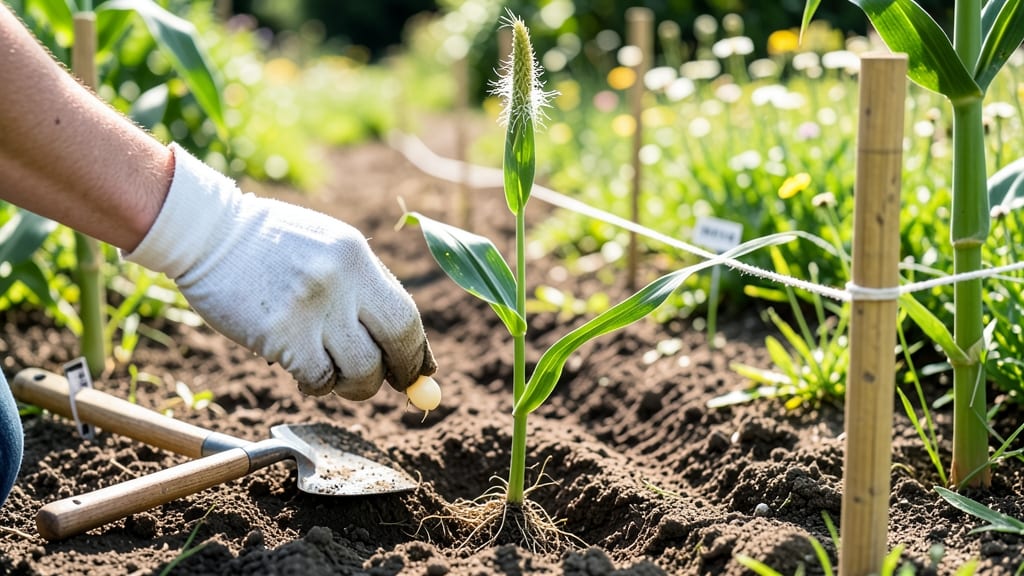
To plant corn in East Texas at the perfect time means avoiding two major enemies: late spring frosts that can kill tender seedlings and scorching summer heat that stunts growth.
The mid-April to early June window is your sweet spot, but even then, you’ll need to watch soil temperatures like a hawk—corn won’t germinate well until the ground hits 60°F.
I’ve learned the hard way that rushing into the garden too soon can leave you with withered stalks instead of towering 🌽 plants. East Texas’s Zone 8a climate demands patience, especially in years when March brings unexpected freezes.
But don’t wait too long either—planting after early June risks heat stress, especially for heat-sensitive varieties.
What sets successful East Texas corn growers apart? It’s not just the calendar—it’s understanding your microclimate. Whether you’re in the Piney Woods or closer to the Gulf Coast, soil prep, spacing, and even variety selection can make or break your harvest.
Let’s break down the exact steps to time your planting for maximum yield.
From testing soil moisture to adjusting for local heat patterns, I’ll show you how to turn your corn patch into a high-yielding powerhouse. No more guessing—just science-backed strategies tailored for East Texas gardens. Ready to grow corn like a pro?
Ideal soil temperature & planting calendar for East Texas corn
Corn thrives in East Texas's warm climate, but getting the soil temperature right is critical. Seeds need at least 50°F soil to germinate, but 60°F+ ensures faster, more reliable sprouting. Nighttime temps below 50°F can stall growth, while consistent 70°F+ days accelerate maturity—perfect for East Texas's USDA Zones 7b-9a.
Timing your plantings to these thresholds maximizes yield and avoids common pitfalls like frost damage or heat stress.
East Texas's microclimates vary dramatically—from the humid Gulf Coast to the drier Piney Woods. This means your last frost date (typically March 15) and first frost (around November 15) can shift by weeks.
For sweet corn, aim for mid-April to early June plantings, while field corn and popcorn can handle slightly later starts. Texas A&M AgriLife Extension recommends aligning your schedule with soil warmth, not just calendar dates.
Soil temperature is your best friend here. Use a soil thermometer to check depths of 2-4 inches—this is where corn seeds germinate. In East Texas, April soil temps often hit 65°F+, ideal for planting, while May-June can push 80°F+, perfect for heat-tolerant varieties. If your soil runs cold (common in clay-heavy areas), wait until nighttime lows stay above 55°F to avoid stunted seedlings.
Here’s your East Texas corn planting calendar, broken down by variety and month to align with Texas A&M’s recommendations:
| Month | Soil Temp Requirement | Sweet Corn | Field/Popcorn | Notes |
|---|---|---|---|---|
| Late March | 50°F+ (risky) | ❌ Avoid (frost risk) | ❌ Avoid | Early starts may need row covers for frost protection. |
| April | 60°F+ (ideal) | ✅ Best time (early-mid) | ✅ Good for early varieties | Harvest by late July; use short-season varieties like 'Silver Queen'. |
| May | 70°F+ (optimal) | ✅ Excellent (mid-late) | ✅ Best for field/popcorn | Heat-tolerant varieties like 'Peaches & Cream' thrive here. |
| June | 80°F+ (hot) | ⚠️ Late plantings (early June only) | ✅ Works for drought-resistant types | Use fast-maturing varieties (60-70 days) to avoid heat stress. |
| July | N/A (too late) | ❌ Avoid | ❌ Avoid | Corn planted after June rarely matures before first frost. |
For sweet corn, prioritize April-May plantings to ensure harvests before East Texas’s summer heat (90°F+) sets in. Varieties like 'Bodacious' or 'Peaches & Cream' mature in 75-85 days, perfect for this window.
If you’re growing field corn or popcorn, May-June works better—they tolerate heat and drought better than sweet corn.
Pro tip: Succession planting every 2 weeks in April-May gives you a continuous harvest. For
Heat zone hacks: adjusting planting dates for East Texas microclimates
East Texas isn't one-size-fits-all when it comes to corn planting. The Piney Woods region stays cooler longer, while the Gulf Coast heats up faster—sometimes by 2-3 weeks. These microclimates can shift your planting window by 4-6 weeks if you don't adjust.
For example, Beaumont gardeners might start in early April, while Tyler can wait until mid-April without risking frost damage.
Another critical factor is summer heat tolerance. Some corn varieties wilt under 95°F+ temps, while others thrive. Drought-resistant varieties like 'Pioneer Brand 39T23' handle East Texas' water-scarce patches better than standard hybrids.
I've seen backyard gardens near Houston struggle with late plantings due to humidity stress, while upland areas near Nacogdoches can push plantings later into June.
- 🌡️ Piney Woods (Tyler, Lufkin): Start April 1-15—cooler nights delay soil warming. Use black plastic mulch to raise temps 5-10°F faster.
- 🌊 Gulf Coast (Beaumont, Orange): Plant March 20-April 5—soil heats up 2 weeks earlier. Choose heat-tolerant varieties like 'Silver Queen' for summer plantings.
- ☀️ East Texas Plains (Longview, Marshall): April 10-May 1 sweet spot. For late plantings, use shade cloth during peak afternoon sun to prevent bolting.
- 💧 Drought-Prone Areas (Angelina NF): Plant drought-resistant varieties like 'Pioneer 38N53' in May-June when rains return. Mulch heavily to retain moisture.
- ❄️ Frost Risk Zones (Near Lake Fork): Wait until soil hits 60°F (use a soil thermometer)—even if air temps are warm. Frost can linger in low areas until mid-April.
For late-season plantings (June-July), focus on short-season varieties like 'Early Sunglow' (65 days to maturity). These handle East Texas' brutal July heat better than longer-maturing types. I've had success with succession planting—staggering seeds every 2 weeks from April to June—to extend harvests through October.
Don't overlook windbreaks in open areas. Corn stalks can lodging (fall over) in 30+ mph winds, common near Galveston Bay. Plant near treeline edges or use corn stalks from previous years as natural wind barriers.
In my Huntsville garden, this simple trick increased ear yield by 20% during windy summers.
Pro tip: Test your soil's moisture-holding capacity before planting. Sandy soils near Katy dry out faster than clay-heavy soils in Conroe. Amend with compost or peat moss to improve water retention. I've seen gardens in water-scarce years fail because they didn't account for these soil-type differences.
Remember, East Texas' heat zones shift yearly. Check Texas A&M's Frost/Freeze Probability Maps annually—they're your best tool for microclimate adjustments. With these hacks, you can extend your corn-growing season by nearly 3 months while avoiding the most common pitfalls. Happy planting! 🌾