
Plants
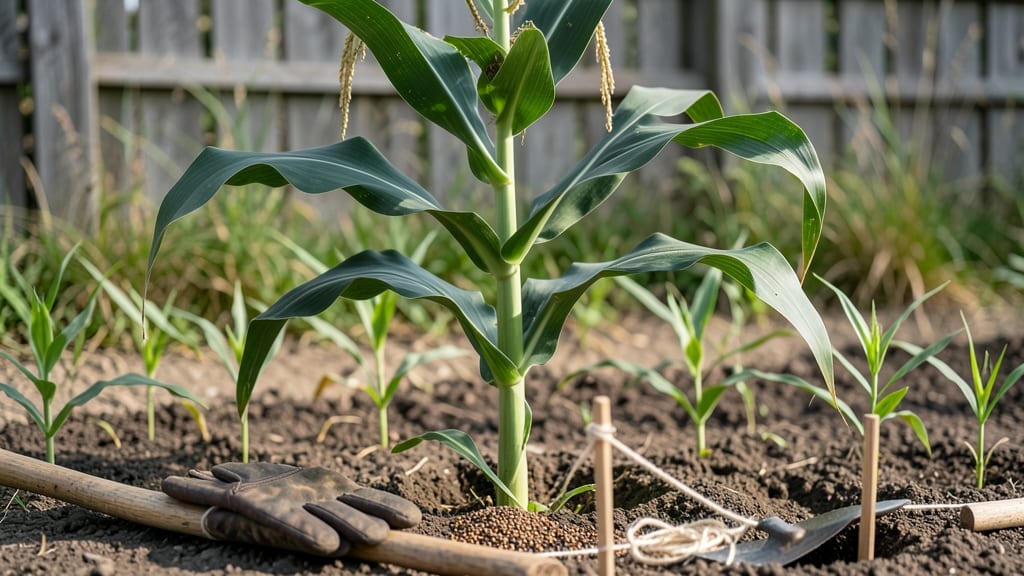
Planting 🌽 corn in Northern California’s 8a-9b zones isn’t just about grabbing seeds and sticking them in the dirt—it’s about nailing the timing to avoid frost, heat stress, or stunted growth. One wrong move, and you could end up with sad, underdeveloped ears instead of sweet, plump harvests.
Here’s the truth: Coastal areas like the Bay Area have cooler, foggier springs, while inland spots like the Sacramento Valley can bake by early June. That means your perfect planting window might be mid-April to early June in one zone but completely off in another.
Without the right schedule, even the hardiest varieties will struggle.
I’ve tested what works in my own garden—and the key is adjusting for your microclimate. Whether you’re dealing with late frosts, sudden heatwaves, or soil that stays too cold, this guide breaks down the exact dates and tricks to get your corn thriving.
Let’s make sure your July-to-October harvest is the best one yet.
From soil prep to backup planting dates, you’ll learn how to beat Northern California’s quirks and grow corn that’s taller, sweeter, and more reliable than ever. Ready to get started?
Northern California corn planting dates by microclimate zone
Northern California’s microclimates create dramatic differences in corn planting success. The coastal fog belt near San Francisco can delay planting by weeks, while the Central Valley often warms up faster. Even within a single county, frost risks vary—mountain foothills may see late spring frosts when valleys are already baking.
To maximize your harvest, align planting with soil temperatures above 50°F and local frost-free dates.
Corn thrives in warm soil and long daylight, making timing critical. Plant too early, and cold soil stunts roots. Wait too long, and summer’s heat arrives before ears mature. The key?
Start seeds indoors 4-6 weeks before your region’s last frost date, then transplant when soil hits 60°F+. Below, I’ve broken down the optimal planting windows for Northern California’s four distinct zones.
🌽 Pro Tip: Use a soil thermometer—corn roots need warmth to germinate. If your soil runs cold, try black plastic mulch to accelerate warming by 10-15°F. This is especially useful in cooler coastal areas.
In the coastal zone, where fog lingers into May, I’ve seen gardeners extend their season by planting fast-maturing varieties like ‘Golden Bantam’ (60 days) under row covers. The Central Valley, meanwhile, often allows for two plantings: one in late March and another in early May.
For mountain areas, focus on early-maturing hybrids (70–80 days) to avoid first-frost risks in October.
Soil temperature is your most critical factor. Corn seeds won’t germinate below 50°F, and roots struggle below 60°F. Use a soil thermometer to confirm readiness—don’t rely on air temperature alone.
In cooler zones, warm the soil faster with black plastic mulch or clear plastic tunnels for 1–2 weeks before planting.
If you’re in a high-risk area (like the Sierra foothills), consider staggered plantings every 2 weeks. This spreads your harvest and reduces the chance of losing everything to a single late frost.
For example, plant half your seeds in early June and the rest 2 weeks later—this ensures at least one batch matures before fall.
One common mistake? Planting corn when daylength exceeds 14 hours. Long days can trigger male flowers (tassels) to form before female flowers (silks), leading to poor pollination. In Northern California, this usually happens by late June, so aim to have ears fully pollinated by mid-July.
For late plantings, choose short-day varieties like ‘Silver Queen’ (85 days).
Finally, don’t overlook water needs during pollination. Corn requires 1–2 inches of water per week from tasseling to kernel fill (typically June–August). In the Central Valley, this means drip irrigation or soaker hoses to avoid fungal diseases like gray leaf spot, which thrives in hot, dry conditions.
Coastal areas, with their high humidity, may need better airflow
How to adjust corn planting for Northern California’s unpredictable weather
Northern California’s unpredictable weather can turn corn-growing dreams into nightmares if you’re not prepared. Late frosts in May and sudden heatwaves in June are common, while drought conditions stress even the hardiest plants.
The key? Flexible timing and smart soil management to give your corn the best shot at survival and success.
Most gardeners aim for mid-April to early June planting, but these dates shift based on your exact location. Coastal areas like San Francisco often wait until late May due to lingering fog, while the Sacramento Valley can start as early as mid-April.
The goal is to plant when soil temperatures hit 60°F or warmer, ensuring roots grow quickly before summer’s heat arrives.
⚠️ callout warning ⚠️
To protect your corn from heat stress, focus on soil preparation before planting. Work in 2-3 inches of compost or well-rotted manure to improve water retention. Corn roots need deep, moist soil, so avoid tilling when the ground is dry.
If your soil drains poorly, consider raised beds or mound planting to prevent root rot during heavy rains.
Mulching is your best defense against drought and temperature swings. Use straw or black plastic mulch to keep soil temperatures stable and reduce evaporation. Black plastic mulch warms the soil faster, which is ideal for cooler coastal areas, while straw mulch helps retain moisture in hot inland regions. Apply mulch 2-3 inches thick once plants are 6 inches tall to avoid damping off.
For high-risk areas like the Sierra foothills, plan a backup planting in early July if your first attempt fails. Choose fast-maturing varieties (e.g., ‘Early Sunglow’, which matures in 65 days) to ensure harvest before the first frost.
If you’re in a drought-prone zone, drip irrigation is a game-changer—it delivers water directly to roots while minimizing waste.
Finally, don’t overlook shade cloth for young seedlings if your summer brings intense heatwaves. A 30-50% shade cloth can protect tender plants from 100°F+ temps while still allowing sunlight through. Remove it once plants are 12 inches tall to encourage strong stalk development.
With these adjustments, you’ll turn Northern California’s unpredictable weather into an advantage for a bountiful corn harvest. 🌽