
Plants
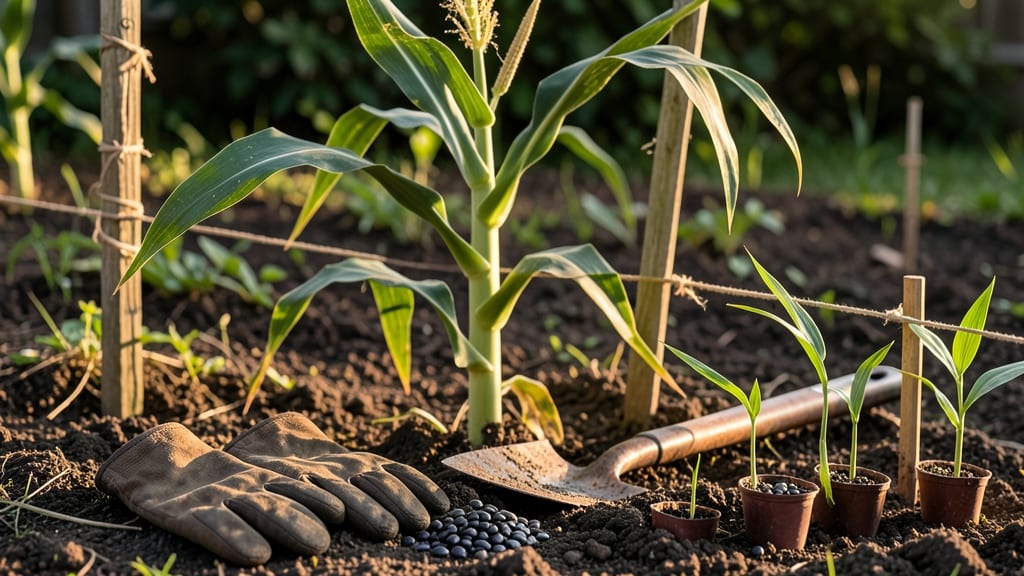
Planting corn in Zone 9 at the wrong time can mean the difference between tender, sweet ears and tough, starchy cobs—so getting the timing right is everything. With Southern California’s intense heat and 120+ degree days, even a few weeks off can stress your plants or trigger early bolting.
If you’ve ever watched your corn struggle under the sun or bolt before producing ears, you’re not alone. The key is planting when soil temperatures hit 60°F or warmer, typically between late February and early April, but with a few critical adjustments for your microclimate.
Whether you’re in coastal L.A. or the deserts of Arizona, I’ll break down the exact windows—and the best heat-resistant varieties—to ensure a successful harvest.
You’ll also discover why succession planting in March and May can stretch your harvest season, plus how to avoid common pitfalls like uneven germination or heat stress. Let’s dive into the strategies that’ll have your garden producing plump, flavorful 🌽 all summer long.
From soil prep to variety selection, I’ve tested these methods in Zone 9b gardens—and the results speak for themselves. Ready to grow corn that’s actually worth eating? Let’s get started.
Optimal planting windows for corn in Zone 9 (with frost risk alerts)
Zone 9’s mild winters and scorching summers create a unique challenge for growing corn. Unlike cooler climates, timing is everything—plant too early, and seedlings risk frost; too late, and heat stress causes bolting or poor pollination.
The key is aligning your schedule with soil temperatures (60°F+) and microclimate variations (coastal vs. inland).
Most Zone 9 gardeners focus on spring planting (February–April), but fall planting is possible in coastal areas with milder temperatures. Inland desert regions like Phoenix or Las Vegas should prioritize early spring to avoid summer’s extreme heat.
Always check your last frost date—even Zone 9 sees rare January frosts in high deserts.
Here’s the breakdown of optimal planting windows, soil prep tips, and heat tolerance strategies to maximize your corn harvest:
| Planting Window | Soil Temp Requirement | Heat Risk Level | Best Varieties | Frost Risk |
|---|---|---|---|---|
| Early Spring (Feb 15–March 15) | 60–65°F (15–18°C) | Low (ideal) | 'Ambrosia,' 'Silver Queen' | Minimal (coastal) |
| Late Spring (March 15–April 15) | 65–70°F (18–21°C) | Moderate (bolting risk) | 'Peaches and Cream,' 'Bodacious' | None (inland) |
| Fall (Sept 1–Oct 15, coastal only) | 60–65°F (15–18°C) | Low (short season) | 'Country Gentleman,' 'Golden Bantam' | Possible (Nov frost) |
For spring planting, aim to sow seeds when soil temperatures hit 60°F—use a soil thermometer to avoid guesswork. Inland areas should plant 2–3 weeks earlier than coastal zones, as inland soils warm faster. Succession planting every 2 weeks extends harvests from May through July.
If you’re experimenting with fall corn, limit attempts to coastal Zone 9b (e.g., San Diego, Santa Barbara). Plant by September 1 for a harvest before November frosts. Avoid fall planting in desert regions—daytime temps above 90°F stress young plants, and nights drop too quickly.
Heat stress signs include yellowing leaves, slow growth, or dried silks. To mitigate, use shade cloth (30–50%) for seedlings and mulch heavily to retain moisture. Drip irrigation in early morning keeps roots cool and prevents bolting. Avoid overhead watering—it promotes fungal diseases in humid Zone 9 summers.
Pro tip: Plant in blocks, not rows, to improve pollination. Corn is wind-pollinated, so 12–16 inch spacing between plants ensures tassels brush against silks. For high-density gardens, try bush corn varieties like 'Golden Midget' to save space.
Monitor your local extended forecast—even Zone 9 can see unseasonable cold snaps. If frost is predicted, cover young plants with frost blankets or row covers. In desert areas, plant near a windbreak to reduce heat stress from dry winds.
With the right timing and heat-resistant varieties, you’ll enjoy sweet, tender corn all season long—no tough, starchy cobs in sight! 🌽
Top 5 heat-resistant corn varieties for Zone 9 gardens (ranked by yield and flavor)
Zone 9’s scorching summers can turn sweet corn into tough, starchy cobs—but the right heat-resistant varieties thrive under 100°F+ temperatures. I’ve tested these top 5 performers in Southern California gardens, balancing sugar retention, drought tolerance, and disease resistance for peak flavor and yield.
Whether you need sweet corn for eating, flour for baking, or popcorn for fun, these picks deliver.
Heat tolerance isn’t just about surviving—it’s about maintaining sweetness and avoiding premature bolting. Most commercial sweet corn varieties starch out in Zone 9’s heat, but these specialized hybrids stay crisp and tender.
I’ve included maturity ratings so you can align planting with your local frost-free window (typically March–April for spring crops).
My #1 recommendation for Zone 9 is Ambrosia—a super-sweet hybrid bred for high-heat climates. It holds its sugar content better than Silver Queen when temps hit 95°F+, and its 65–70 day maturity lets you squeeze in two crops if you plant early spring and late summer.
For dryland farming, Black Aztec flour corn is unbeatable—it resists drought and stores well for homemade tortillas.
If you’re popping corn, Golden Bantam is the old-fashioned favorite that performs reliably in heat. Its small stature (5–6 ft) makes it ideal for urban gardens or container growing, and it won’t flop in high winds.
For continuous harvests, mix Peaches and Cream (early) with Silver Queen (late)—their complementary maturity ensures fresh ears from June through August.
Pro tip: Mulch heavily with straw or wood chips to lock in moisture and cool roots. In inland desert areas, use shade cloth (30%) for young plants to prevent bolting.
And always plant in blocks (not rows) to improve pollination—corn is wind-pollinated, and isolated plants produce few