
Plants
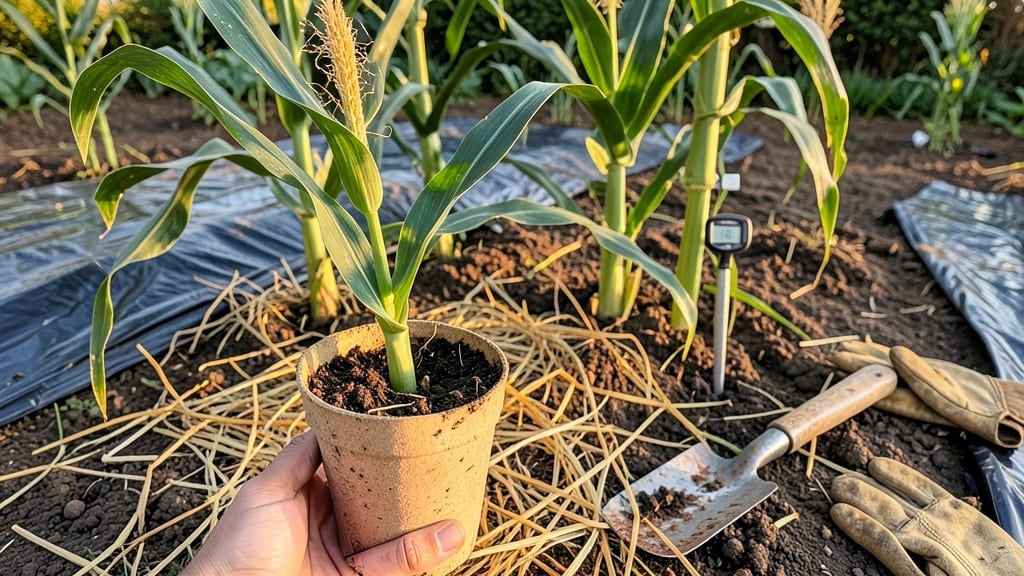
Planting corn in Vermont at the wrong time can mean the difference between a bountiful harvest and a sad, stunted 🌽 crop—especially when unpredictable frost dates loom.
The key to success lies in timing your seeds precisely with Vermont’s 4b-6a climate, where last frosts can vary by weeks depending on your microclimate.
Most gardeners in Vermont wait until mid-May to early June to plant corn, but that window shifts based on soil warmth and local frost patterns. If you plant too early, cold soil will delay germination, while planting too late risks immature ears before the first frost in October.
I’ll break down the exact frost-free deadlines for Vermont’s regions—from the Champlain Valley’s earlier springs to the Green Mountains’ later starts—plus the best corn varieties that thrive in 60-70 days or less.
Ready to avoid the common mistakes that sabotage Vermont corn gardens? Let’s dive into soil prep, planting schedules, and care tips that’ll have your corn reaching for the sky by summer’s end.
Vermont’s frost-free planting zones for corn: when and where to start seeds
Vermont’s diverse geography creates microclimates that dramatically impact when you can safely plant corn. The Champlain Valley warms earlier than the Northeast Kingdom, while the Green Mountains often lag behind by 1-2 weeks.
Understanding these differences means the difference between plump, sweet ears and stunted plants. Let’s break down the last frost dates and soil temperature requirements for each region.
Corn seeds won’t germinate until soil reaches 50-60°F, and young plants can’t survive below 50°F. This means waiting for mid-May in most areas, but timing varies.
The Champlain Valley (Burlington, Winooski) often hits these temps by late April to early May, while the Northeast Kingdom (Newport, Jay) may not be ready until mid-to-late May. The Green Mountains (Stowe, Manchester) typically fall in between.
For direct sowing, aim to plant when soil is consistently 55°F+ and 14 days after your region’s average last frost. For transplants, wait until soil is 60°F+ and nighttime temps stay above 55°F.
Transplants give you a 2-week head start, but they’re more delicate in Vermont’s cool, wet springs.
If you’re starting seeds indoors, begin 6-8 weeks before your region’s last frost date. For the Champlain Valley, that’s early April, while the Northeast Kingdom should wait until mid-April. Use biodegradable pots to avoid transplant shock when moving seedlings outdoors.
Corn thrives on warm soil, so consider using black plastic mulch to raise soil temps by 5-10°F in cooler regions. This can push your planting window 1-2 weeks earlier in the Green Mountains or Northeast Kingdom.
Just remember to remove the mulch before harvest to avoid soil contamination.
For transplants, harden off seedlings for 7-10 days before moving them outside. Acclimate them gradually by placing them in partial shade for a few hours each day, then increasing exposure. This reduces the risk of transplant shock, especially in Vermont’s chilly, windy springs.
Once planted, corn needs consistent warmth to mature. In Vermont’s short growing season (average 165 frost-free days), prioritize early-maturing varieties (60-70 days to harvest). If you plant after June 1, you’ll likely miss the harvest window before first
How to adjust corn planting dates for Vermont’s unpredictable weather patterns
Vermont’s unpredictable spring can turn corn planting into a high-stakes gamble. A late frost or cool soil can stall germination, while planting too early risks seed rot. The key is flexibility—using local weather data, cold-hardy varieties, and season-extending tools to adapt on the fly.
According to the UVM Extension, Vermont’s frost-free dates shift yearly, but historical averages give us a starting point. For example, Burlington’s last frost typically falls around May 15, while St. Johnsbury often waits until May 25.
These dates help, but they’re just a baseline—your actual planting window depends on soil temperature and weather forecasts.
If your soil stays cold past May 30, don’t panic—switch to transplanting seedlings instead. Start seeds indoors under grow lights 2-3 weeks before your target outdoor date. Harden them off for 7-10 days before transferring to the garden, ensuring they’re at least 6 inches tall with 2-3 true leaves.
For late-season adjustments, focus on harvest timing. Prioritize varieties with earlier maturity (under 80 days) to avoid frost damage. If an early frost threatens, harvest ears before they fully mature—they’ll still be edible and sweet, just less plump.
Store them in the fridge for up to a week or freeze for long-term use.
Pro tip: Keep a planting journal to track what works in your microclimate. Note soil temps, frost dates, and variety performance. Over time, you’ll refine your schedule to Vermont’s quirks—like the Champlain Valley’s sudden cold snaps or the Green Mountains’ delayed warming.