
Plants
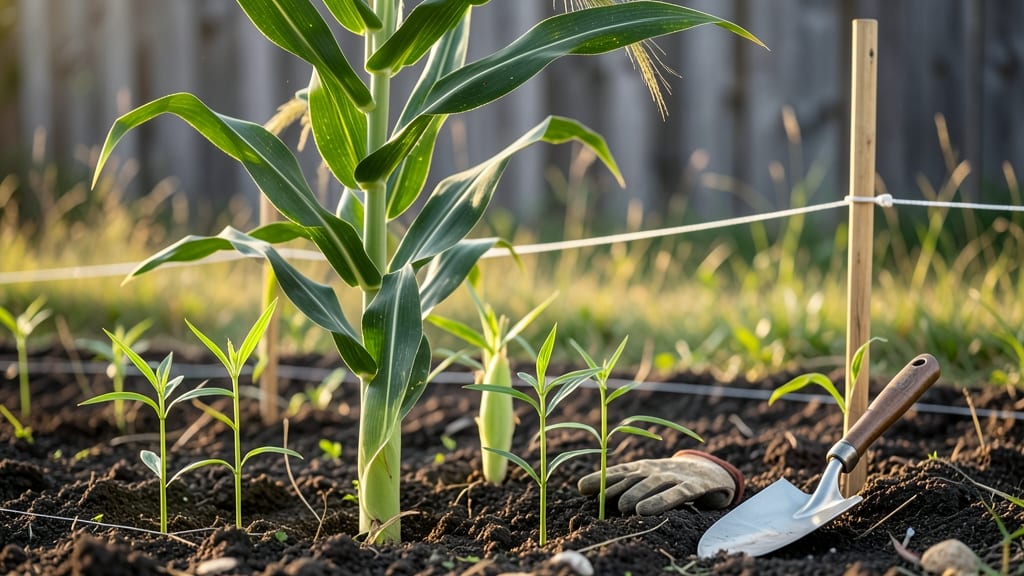
Planting corn in West Virginia at the wrong time can turn your garden dreams into a sad, shriveled mess—especially when frost sneaks in like a thief.
The key to a thriving 🌽 corn crop lies in timing it just right, between mid-April and early May, when the soil warms up and the last frost finally says goodbye.
But here’s the catch: West Virginia’s varied heat zones mean what works in Charleston might fail in Morgantown. I’ll break down the exact frost-free deadlines by county, so you can plant with confidence—whether you’re growing sweet corn for summer meals or field corn for fall harvests.
You’ll also discover how to adjust for elevation, soil conditions, and even microclimates that can shift planting windows by weeks. No more guessing games—just science-backed tips to help your corn reach its full potential.
Let’s get your garden ready for a bumper crop by mastering the art of West Virginia planting schedules—so you can enjoy fresh, homegrown corn all season long.
West Virginia corn planting deadlines by Heat Zone and county
West Virginia’s diverse USDA Heat Zones 5-7 create unique planting challenges for corn growers. In my experience, timing your sweet corn, field corn, or popcorn correctly can mean the difference between a 10-foot-tall harvest and a failed crop.
The state’s last frost dates vary by county elevation, with mountainous areas like Pocahontas County often facing frost threats weeks after lowland regions like Kanawha Valley.
For most of West Virginia, the ideal planting window falls between mid-April and early May, once soil temperatures consistently reach 60°F.
However, southern counties in Heat Zone 7 (like Putnam or Cabell) can start as early as late March, while northern counties in Zone 5 (such as Monongalia or Preston) may need to wait until late April.
Always verify your local frost-free date—I check the National Weather Service for my area each year.
When planning your corn varieties, remember that sweet corn (like Silver Queen or Ambrosia) requires the shortest growing season—typically 60-75 days—while field corn and popcorn varieties need 90-120 days.
I always plant early-maturing varieties in northern counties to ensure they reach maturity before first frost, which typically hits between October 10-20.
For succession planting, aim to stagger your corn plantings every 2 weeks to extend your harvest window. In Heat Zone 7 counties like Berkeley or Putnam, you can even squeeze in a late-June planting for a fall harvest before frost.
However, in Zone 5 areas, focus on one main planting in late May to avoid frost damage.
Soil temperature is just as critical as air temperature. I use a soil thermometer to confirm 60°F+ readings at a 4-inch depth before planting. In cooler microclimates, like valleys or high-elevation areas, consider using black plastic
How to adjust corn planting for West Virginia’s microclimates and soil conditions
West Virginia’s diverse landscape—from the high elevations of Pocahontas County to the fertile valleys of Kanawha—creates unique challenges for corn growers.
The state’s USDA Zones 5-7 mean frost dates can vary by 2-3 weeks between regions, while soil types range from clay-heavy in the north to loamy and well-drained in the south. Adjusting your planting schedule based on these factors is key to avoiding frost damage or poor germination.
Elevation plays a critical role in determining your last frost date. For example, McDowell County’s higher elevations often see frost lingering until May 10, while lower areas like Jefferson County typically reach safe planting temperatures by April 15.
Always check local Almanac frost charts or use a soil thermometer to confirm when soil reaches the ideal 60°F for planting.
Here’s how to fine-tune your corn planting strategy for West Virginia’s microclimates:
- 🌡️ Adjust for elevation: In higher elevations (e.g., Pocahontas), wait until May 1-15 to plant. In lower elevations (e.g., Cabell), start by April 20.
- 💧 Test soil drainage: Corn hates waterlogged soil. Amend clay soils with compost or sand. Use raised beds in areas with poor drainage.
- ☀️ Extend the season: Use row covers or cold frames to plant 2-3 weeks earlier in frost-prone areas like Monongalia County.
- 🌱 Choose heat-tolerant varieties: Opt for short-season hybrids (e.g., ‘Silver Queen’ or ‘Peaches and Cream’) in cooler zones. Longer-season varieties (e.g., ‘Ambrosia’) work best in Zone 7 areas.
- 🌧️ Monitor rain patterns: In wet springs (common in the north), delay planting until soil dries slightly to prevent seed rot.
Soil conditions in West Virginia can drastically impact corn growth. The state’s Appalachian region often features acidic, rocky soil with a pH as low as 5.0, while the Coal Region has highly fertile black soil with pH levels near 7.0.
Test your soil’s pH and amend it to the ideal range of 6.0-6.8 for corn. If your soil is too acidic, apply lime in the fall before planting. For sandy soils, mix in compost or aged manure to retain moisture.
For gardeners in colder counties like Pocahontas or McDowell, extending the growing season with row covers or cold frames can add critical weeks to your planting window.
These tools allow you to start seeds indoors in early April and transplant outdoors as early as mid-April, giving your corn a head start before late frosts. Just remember to remove covers once plants are 12 inches tall to prevent overheating.
Finally, consider succession planting to maximize your harvest. In warmer southern counties like Kanawha, you can plant a second crop in late June for a fall harvest. Use fast-maturing varieties (e.g., ‘Early Sunglow’) to ensure ears mature before the first frost in mid-October.
With these adjustments, you’ll turn West Virginia’s microclimates into advantages for a reliable corn crop every season. 🌽