
Plants
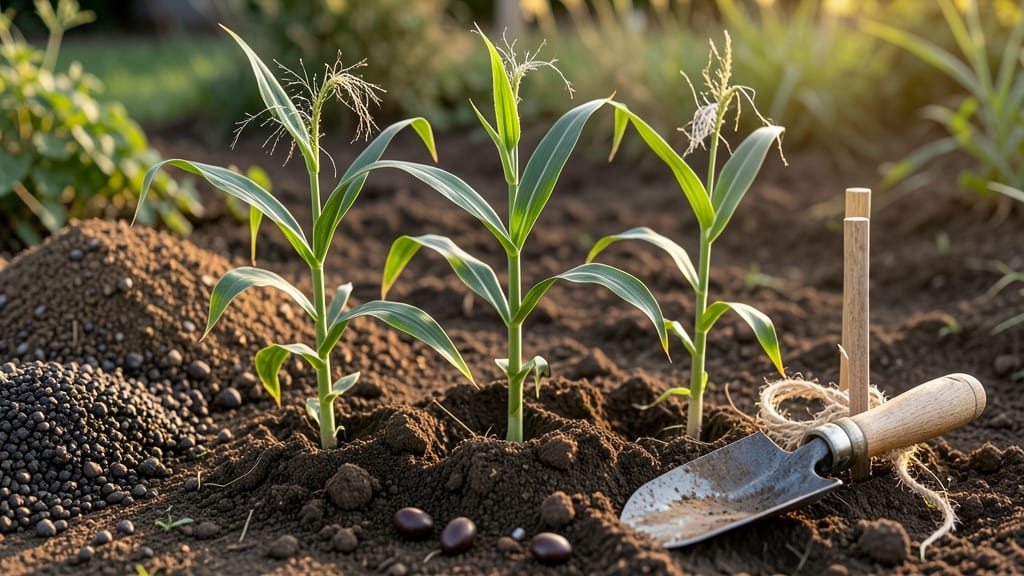
Timing your corn planting in West Virginia (WV) can mean the difference between a bountiful harvest and a wasted effort—especially when unpredictable spring weather throws off your plans.
The ideal window of mid-April to early May might seem straightforward, but soil temperatures and last frost dates vary across the state's 6a zone, making precision key.
Planting too early risks frost damage, while waiting too long can stunt growth before the harvest window opens. I’ll break down the exact deadlines by region—from the cooler highlands to the warmer river valleys—so you can align your 🌽 planting schedule with West Virginia’s microclimates.
Whether you’re growing sweet corn for summer meals or field corn for storage, knowing when to plant is just the first step. You’ll also discover how to test soil readiness, adjust for late frosts, and avoid common pitfalls that even experienced gardeners face.
Ready to turn your corn patch into a thriving garden? Let’s dive into the step-by-step guide that’ll have your plants reaching for the sun—just in time for harvest season.
West Virginia corn planting deadlines by last frost date (2024 guide)
West Virginia’s three distinct climate zones mean your corn planting window can vary by 3-4 weeks depending on location. Northern WV’s cooler springs demand patience, while Southern WV gardeners can start earlier—but rushing too soon risks frost damage to young seedlings.
The key is waiting for soil temperatures to consistently hit 60°F and frost-free forecasts.
Historical data shows Northern WV typically sees its last frost around April 25, while Southern WV averages April 10. Central regions fall in between, but microclimates near rivers or mountains can shift these dates by 1-2 weeks.
For sweet corn varieties, timing is critical—plant too early, and you’ll sacrifice yield to late-season frost.
Here’s your region-specific planting timeline, including soil temperature thresholds and historical frost dates to help you avoid common mistakes:
| Region | Last Frost Date | Planting Window | Soil Temp Threshold | Key Varieties |
|---|---|---|---|---|
| Northern WV (USDA 5b-6a) | April 25 | May 1–15 | 60°F+ (consistent) | 'Golden Bantam', 'Country Gentleman' |
| Central WV (USDA 6a-6b) | April 15 | April 25–May 10 | 55°F+ (night), 65°F+ (day) | 'Silver Queen', 'Peaches & Cream' |
| Southern WV (USDA 7a-7b) | April 10 | April 15–April 30 | 50°F+ (night), 70°F+ (day) | 'Ambrosia', 'Early Sunglow' |
🌱 Note: Adjust for high-elevation areas (e.g., Pocahontas County) by waiting 10–14 days longer.
For Northern WV gardeners, I recommend starting seeds indoors in late March to transplant after the last frost. Use black plastic mulch to warm soil faster and protect seedlings from late frosts.
In Southern WV, you can direct-sow as early as April 15, but monitor forecasts—unpredictable April cold snaps can still occur.
Soil temperature is more critical than air temperature. Use a soil thermometer to confirm 60°F+ at a 4-inch depth. Cold soil delays germination and leaves seedlings vulnerable to root rot.
If your soil is still chilly, wait—rushing leads to poor stands and stunted plants. Pro tip: Mix in compost to raise soil temperature naturally.
West Virginia’s short growing season (about 180 frost-free days) means choosing the right corn variety is just as important as timing. Early-maturing varieties (60–75 days to harvest) like 'Early Sunglow' are ideal for Northern regions, while medium-maturing types (80–90 days) work better in Southern WV.
Always check the days-to-maturity label to ensure your corn reaches harvest before the first frost.
Don’t forget to account for succession planting if you want continuous harvests. For sweet corn, sow a second batch 2–3 weeks after your first planting. This stretches your harvest window and reduces waste.
In Central WV, where frost dates are more variable, I stagger plantings every 10 days from late April through early May for a steady supply.
One common mistake is relying solely on calendar dates instead of weather forecasts. Check the National Weather Service or local Cooperative Extension Service for 10-day outlooks.
A late-May frost (not unheard of in WV!) can wipe out young plants. If frost is predicted, cover seedlings with row covers or old bedsheets for protection.
After planting, maintain consistent moisture—corn needs 1–2 inches of water per week, especially during tasseling and ear development. Use a drip irrigation system to avoid wetting foliage, which reduces fungal diseases like corn blight.
Mulch with straw to retain moisture and suppress weeds, giving your corn the best
How to adjust corn planting time for West Virginia’s microclimates
West Virginia’s diverse landscapes—from the rugged highlands of Pocahontas County to the fertile Kanawha Valley—create unique growing conditions for corn. These microclimates can shift your ideal planting window by 2-3 weeks, so understanding them is key to success.
High elevations often experience cooler soils and later last frosts, while river valleys warm up faster but may face hotter summer winds that stress plants.
For high-elevation areas like the Allegheny Mountains, aim to plant corn 2 weeks later than the general WV guideline. Soils here stay cold longer, and frost risk lingers until mid-May.
Meanwhile, in river valleys like the Ohio or Kanawha, you can often start planting by late April—but watch for drought stress if summer heat arrives early. Choosing the right corn varieties also makes a difference.
If you’re gardening in shady microclimates, like those found in wooded areas of Monongalia County, corn may struggle to reach maturity. Instead, consider short-season varieties or supplement light with reflective surfaces (like white plastic sheeting) to bounce extra sunlight onto plants.
For windy regions, such as parts of Jackson County, plant corn in low-lying areas where cold air settles last, reducing frost risk.
Don’t forget to test your soil before planting—West Virginia’s acidic soils (pH 4.5-5.5) can stunt corn growth. Aim for a pH of 6.0-6.8 by amending with lime or wood ash.
In drought-prone areas, like the Potomac Highlands, prioritize deep-rooted varieties such as 'Bodacious' to access moisture from lower soil layers.
Finally, keep an eye on weather forecasts in the days leading up to planting. If a late frost warning appears, delay planting by another week or use row covers for young seedlings.
With these microclimate adjustments, you’ll be well on your way to a bountiful corn harvest—no matter where in West Virginia you garden. 🌽