
Plants
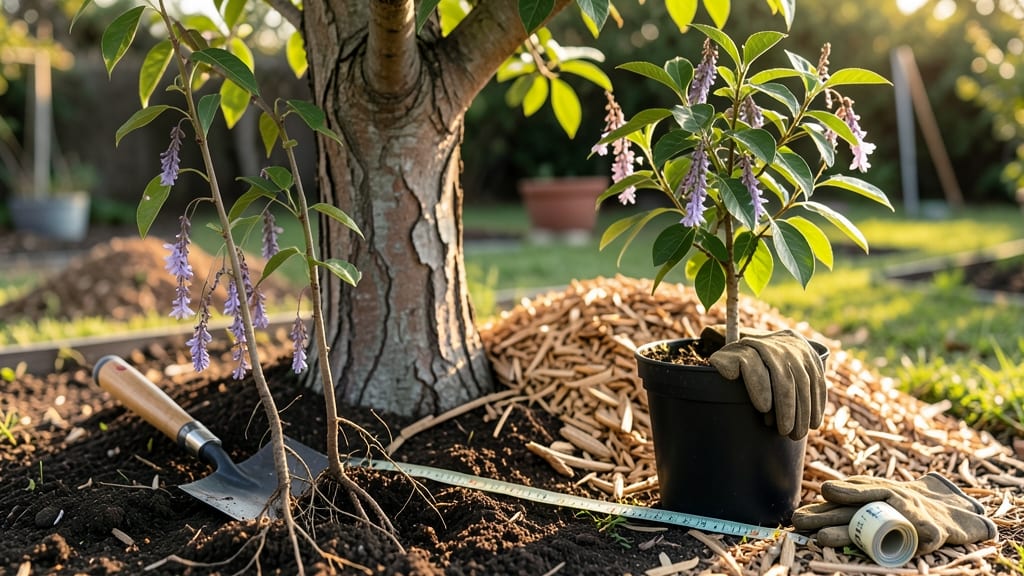
Planting your 🌸 Crape Myrtle at the wrong time in Virginia could mean waiting years for those stunning summer blooms—or worse, losing your young tree to a surprise frost.
The key to success lies in understanding your hardiness zone and local frost patterns, because what works for Richmond won't always work for Roanoke.
Most Virginia gardeners know fall is ideal, but did you know the exact window shifts by 10-14 days between zones 6a and 8a? I've helped neighbors in both zones nail their planting timing, and the difference in growth is night and day.
Whether you're transplanting bare-root saplings or moving potted plants, getting this right means your tree establishes faster and blooms more reliably.
In this guide, I'll walk you through the precise months that work best for your specific zone, plus how to check soil temperatures and local weather forecasts to avoid common mistakes.
You'll also discover why some gardeners swear by fall planting while others prefer spring—and which approach actually gives better results in Virginia's climate.
Let's get your 🌸 Crape Myrtle growing strong with confidence, so you can enjoy those show-stopping blooms year after year without the guesswork. The best time to plant is coming up soon—here's exactly what to watch for.
Best planting months for crape myrtles in Virginia by hardiness zone
Virginia’s hardiness zones 5a-8a create unique challenges for planting crape myrtles (Lagerstroemia). Unlike many plants, crape myrtles thrive when planted during cooler shoulder seasons—avoiding both late frosts and summer heatwaves. The best window depends on your zone, with fall planting often outperforming spring in Virginia’s climate.
In zones 5a-6a, where frosts linger until mid-April, your planting window is shorter. Zones 7a-8a, however, enjoy longer frost-free periods, allowing flexibility. The key is soil temperature—crape myrtles establish roots best when soil is between 60°F and 70°F, making September-October ideal for most regions.
⚠️ PRO TIP: Use Virginia’s USDA frost maps (available via USDA Plant Hardiness Zone Map) to pinpoint your exact last frost date. Plant 4-6 weeks before this date for spring, or after the first frost in fall.
Here’s your zone-by-zone planting guide, including ideal months, soil prep tips, and transplanting strategies to maximize survival rates in Virginia’s variable climate:
| Hardiness Zone | Best Planting Months | Soil Temp Range (°F) | Last Frost Date | Transplanting Tip |
|---|---|---|---|---|
| 5a (SW Virginia) | April 15–May 15 (spring) or September 1–October 15 (fall) | 60–70°F | April 15–May 1 | Use row covers for early spring planting |
| 6a (Piedmont) | March 20–April 30 (spring) or September 15–October 30 (fall) | 60–70°F | April 1–April 15 | Avoid planting after May 15—heat stress risks |
| 7a (Central VA) | March 15–April 15 (spring) or September 1–November 1 (fall) | 60–75°F | March 20–April 5 | Fall planting extends to November 1 in this zone |
| 7b (Tidewater) | March 1–April 10 (spring) or September 15–November 15 (fall) | 65–75°F | March 10–March 25 | Monitor hurricane season—delay if storms forecasted |
| 8a (Eastern Shore) | February 20–March 30 (spring) or September 1–December 1 (fall) | 65–80°F | February 28–March 15 | Fall planting can go until December 1 with protection |
*Soil temp data sourced from Virginia Cooperative Extension; adjust for microclimates (e.g., urban heat islands).
For spring planting, aim to get crape myrtles in the ground 4-6 weeks before your last frost date.
In zones 5a-6a, this means mid-April at the latest. Soil thermometers (available at local nurseries like Horticulture Supply Co.) are worth the investment—they’ll confirm when soil hits that 60°F sweet spot for root growth.
In fall, Virginia’s cooler nights and warmer days create perfect conditions. Plant after the first frost (typically mid-October in most zones) but before ground freezes. Zone 8a gardeners can even plant into early December if using mulch protection—just avoid planting when soil temps drop below 50°F.
When transplanting, water deeply 2-3 days before digging to reduce root shock. Bare-root crape myrtles (common in nurseries) should be soaked for 1-2 hours before planting. For container-grown trees, gently loosen the root ball to encourage outward growth—Virginia’s clay-heavy soils benefit from this step.
💡 EXPERT TIP: If you miss the ideal window
Signs your Virginia soil is ready for crape myrtle transplanting
Transplanting crape myrtles in Virginia requires careful timing to avoid early frost damage while ensuring roots establish before winter. The key indicators focus on soil temperature, moisture levels, and local weather forecasts. These signs help you determine when your Virginia soil is primed for healthy root growth.
First, check your soil temperature—crape myrtles thrive when soil reaches 60°F or warmer. Use a soil thermometer to test 6 inches deep. In Virginia’s USDA zones 6a-8a, this typically aligns with late April to early May for spring plantings or September to early October for fall.
Next, monitor moisture levels. Well-draining soil should feel slightly damp but not soggy when you squeeze a handful. Crape myrtles hate waterlogged roots, so avoid transplanting if your soil feels compacted or overly wet.
A 3-4 inch rainfall or consistent irrigation 1-2 weeks before transplanting helps prepare the soil.
⚠️ callout-warning ⚠️
Planting crape myrtles before soil temperatures stabilize (55°F+) risks root shock and frost damage. In Virginia, late April frost can still occur in zones 6a-7a. Check the National Weather Service for 10-day forecasts before transplanting.
🌡️ Pro Tip: Use a frost clock or local nursery’s last frost date as a guideline.
Prepare your soil by amending it with compost or aged manure to improve drainage and fertility. Crape myrtles prefer slightly acidic to neutral soil (pH 5.5-7.0). Test your soil’s pH using a home test kit and adjust with lime (to raise pH) or sulfur (to lower pH) if needed.
Loosen the soil to a depth of 12-18 inches to encourage root penetration.
Finally, observe local weather trends. Aim to transplant 4-6 weeks before the first frost in fall (typically early to mid-September) or 2-3 weeks after the last frost in spring (usually mid-April to early May). If unseasonable cold snaps are forecasted, delay planting to protect young roots.
Once you’ve confirmed these signs, your crape myrtle will have the best chance to establish strong roots before Virginia’s winter dormancy. Mulch around the base after transplanting to retain moisture and regulate soil temperature—this is especially critical in Virginia’s variable climate. 🌿