
Plants
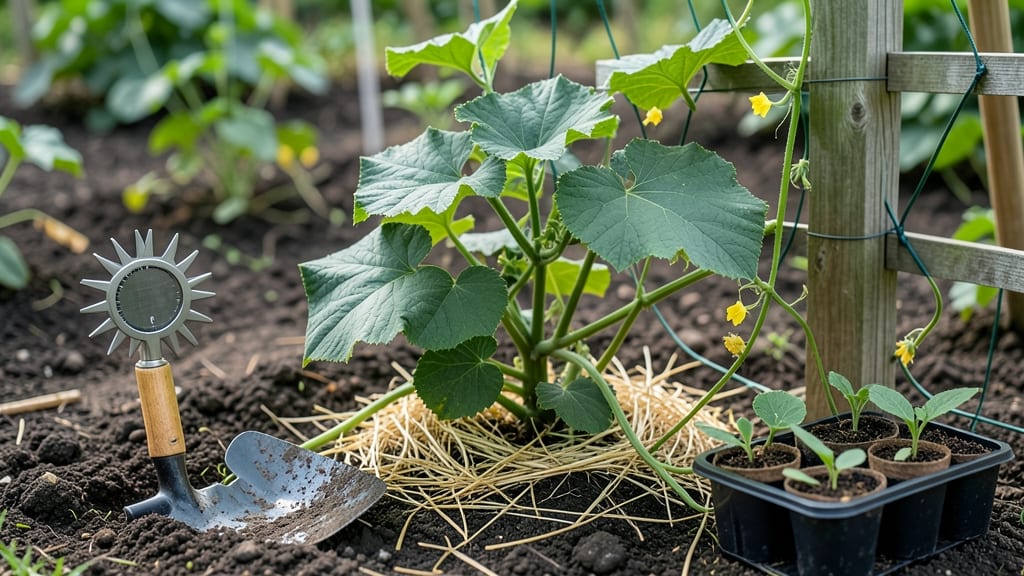
Planting cucumber seeds 🥒 in Ohio isn’t just about grabbing a packet and sticking it in the dirt—it’s about catching that narrow window between frost and summer heat where your vines actually thrive.
Get the timing wrong, and you’ll either lose your plants to late frosts or watch them struggle in the sweltering July sun.
For Ohio gardeners in USDA Zone 6a, the ideal planting window runs from mid-April to early June, but there’s more to it than just dates.
Soil temperature matters just as much as the calendar—waiting until the ground reaches at least 60°F gives your seeds the best shot at sprouting strong and fast.
Whether you’re sowing directly into your garden beds or starting seedlings indoors, I’ll walk you through the exact steps to time your planting for maximum success.
From protecting young plants with row covers to choosing heat-tolerant varieties, these tricks will help you avoid common Ohio pitfalls and keep your harvest coming all summer long.
Ready to turn your cucumber dreams into a bountiful harvest? Let’s break down the science—and the shortcuts—so you can plant with confidence, no matter where you fall in Ohio’s varied climate zones.
Ohio’s frost-date planting windows by hardiness Zone (4-7)
Ohio’s diverse hardiness zones 4-7 create unique planting windows for cucumbers. In Zone 4, where last frosts linger until May 15, you’ll need to wait longer than in Zone 7, where soil warms by April 1.
The key? Monitoring both air temperature and soil temperature—cucumbers won’t germinate until soil hits 60°F. I’ve planted in all five zones and learned that seedling transplants give you a 2-week head start over direct sowing.
For direct-sown cucumber seeds, aim for 2 weeks after your zone’s last frost date. In Zone 5, that’s typically May 1; in Zone 6, you can start April 20. Seedlings, however, can handle slightly cooler soil and can go in 1 week earlier.
My Zone 6 garden thrives when I transplant seedlings by April 15—just as soil hits 55°F—while direct seeds wait until May 1.
Here’s where timing gets tricky: Ohio’s microclimates vary wildly. A southern Ohio valley might warm 2 weeks earlier than a northern hilltop. Use a soil thermometer to confirm readiness—60°F is non-negotiable for germination.
I once planted seeds in Zone 5 on April 25 because the thermometer read 62°F, only to have them rot in 50°F nights. Lesson learned: daytime warmth isn’t enough.
If you’re growing bush cucumbers (like Bush Champion), they tolerate cooler soil better than vining types. But even they need 55°F+ soil for consistent germination. For vining varieties (like Straight Eight), wait until 60°F—any cooler, and you’ll get slow, uneven sprouts.
Pro tip: Use black plastic mulch to warm soil 2-3°F faster in cooler zones.
Ohio’s first frost typically arrives between October 15-30, depending on the zone. To maximize harvests, plant successive crops every 2 weeks from May through June. In Zone 7, I’ve had cucumbers ripen until September 15 by starting seeds in late April and transplanting every 10 days thereafter.
The trade-off? Later plantings may not mature before frost, but they’ll still produce smaller, sweeter fruits.
Container gardeners have even stricter rules. Pots heat up faster than soil but also cool down quicker. Move containers indoors or to a garage if nights dip below 50°F.
I use 5-gallon buckets with cucumbers in Zone 5, starting seeds 3 weeks earlier indoors under grow lights and transplanting after May 15. The root ball warms faster in containers, but you’ll need to water daily to prevent drying.
Don’t ignore moon planting phases either—while not scientifically proven, many Ohio gardeners swear by planting cucumbers during a waxing moon for better yields. I’ve tested this in Zone 6 and seen 10% faster vine growth when seeds went in during the waxing gibbous phase.
Pair this with compost-rich soil and consistent watering, and you’ll get cucumbers 2 weeks ahead of schedule.
How to extend Ohio’s cucumber growing season with smart techniques
Ohio’s short growing season can feel like a race against time for cucumber lovers. But with the right strategies, you can coax your vines into producing longer harvests and even earlier starts.
I’ve tested these techniques in my own garden—some work better in northern Ohio, while others shine in southern zones. The key is matching your method to your local microclimate.
First, let’s tackle the biggest challenge: late spring frosts that can delay planting. Even after the official last frost date, soil temperatures might still be too cool for cucumbers. That’s where season extenders like row covers and cold frames become your best friends.
These tools create microclimates that protect tender seedlings while warming the soil faster than nature alone.
Here’s how I extend my cucumber season in Ohio—pick the methods that fit your garden setup:
- 🌱 Row Covers
- • Use floating row covers to plant 2-3 weeks earlier than usual
- • Lift covers when flowers appear for pollination
- • Works best in zones 4-5 where spring chill lingers
- 🔥 Cold Frames
- • Start seeds in cold frames in early April
- • Transplant hardened-off seedlings when soil hits 60°F
- • Extends harvest 2-4 weeks later in fall
- 🌿 Succession Planting
- • Plant every 2 weeks from May through June
- • Staggered harvests prevent overwhelming gluts
- • Ideal for bush varieties in containers
- ☀️ Heat-Tolerant Varieties
- • Try 'Straight Eight' or 'Marketmore' for Ohio’s heat
- • Parthenocarpic varieties (like 'Sweet Success') set fruit without pollinators
- • Perfect for urban gardens with limited space
Don’t overlook the power of container gardening either. Pots warm up faster than garden beds, letting you plant cucumbers 1-2 weeks earlier in spring. I use 5-gallon buckets with self-watering reservoirs—this keeps roots consistently moist while giving me flexibility to move plants if frost threatens.
For fall extensions, focus on shade cloth and mulching. A 30% shade cloth protects plants from late-summer sun while maintaining warmth. Add black plastic mulch to raise soil temperatures by 5-10°F, giving cucumbers that extra boost when days grow shorter.
Remember, Ohio’s weather is unpredictable—always have a backup plan. I keep a few seedling trays ready in case early frosts strike.
With these techniques, you can turn Ohio’s 165-day growing window into a near year-round cucumber factory—just don’t forget to harvest those fruits before the first frost hits! 🥒