
Plants
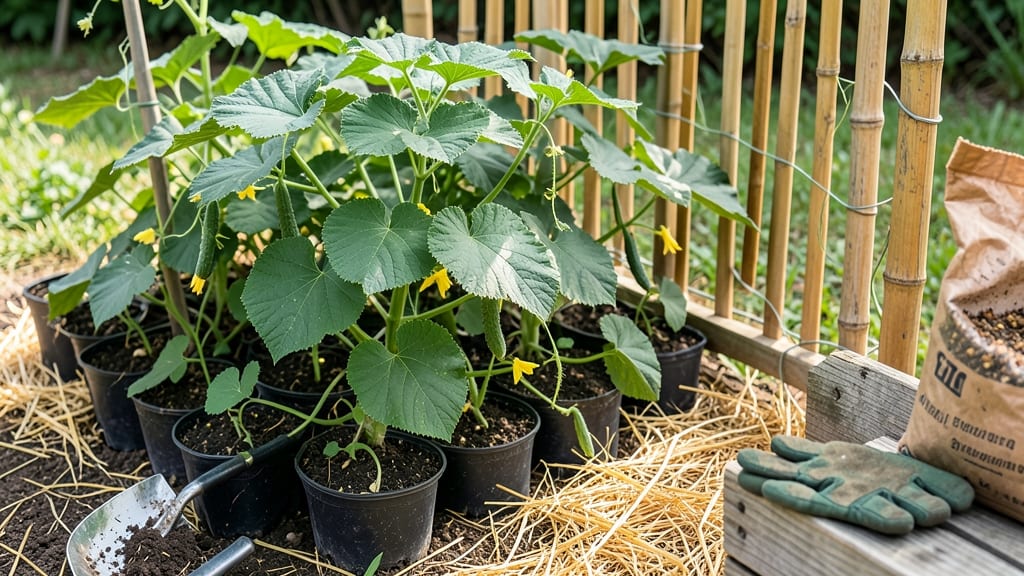
Timing cucumber planting in South Carolina isn't just about avoiding frost—it's about catching that sweet spot between soil warmth and summer heat to ensure fast, healthy germination.
With USDA zones 7b-8a and microclimates ranging from coastal humidity to Piedmont dryness, getting it wrong can mean wilted seeds or blight-ridden vines.
Most gardeners here plant 🥒 cucumbers between mid-April and early June, but that window shifts if you're aiming for a fall harvest. The key? Waiting until soil temperatures hit at least 60°F—cold soil slows germination, while rushing too early risks fungal diseases.
I'll show you how to read your local climate cues and adjust planting dates for your specific zone.
What separates a thriving cucumber patch from a failed experiment? It's not just the calendar—it's understanding how South Carolina's unpredictable spring weather plays into your planting strategy.
From using black plastic mulch to warm the soil faster to choosing heat-tolerant varieties, small tweaks make all the difference in your harvest timing.
Ready to skip the guesswork? I’ll walk you through exactly when to start seeds indoors, when to transplant outdoors, and how to handle those late-summer heat waves that can stress young plants. Let’s get those vines growing fast and your kitchen stocked with crisp, homegrown cucumbers all season long.
South Carolina’s best planting windows for cucumbers by heat Zone
Timing your cucumber planting in South Carolina depends on two critical factors: soil temperature and your USDA heat zone. Cucumbers thrive when soil reaches 60°F or warmer, but coastal areas (like Zone 8a) warm faster than Piedmont regions (Zone 7b).
Plant too early, and you risk damping-off disease from cool, wet soil.
For most of South Carolina, the ideal planting window spans from mid-April to early June after the last frost date. However, Zone 8a coastal areas can start 2-3 weeks earlier due to milder winters. Fall planting is also possible in late July for a September harvest before first frost.
Here’s how to match your heat zone with the perfect planting schedule:
| Heat Zone | Last Frost Date | Optimal Planting Window | Soil Temp Threshold | Fall Planting Window |
|---|---|---|---|---|
| Zone 7b (Piedmont) | Late March - Early April | Mid-April to May 15 | 60°F+ (use black plastic mulch) | Late July to August 1 |
| Zone 8a (Coastal) | Early March | Early April to May 1 | 60°F+ (warmer earlier) | Early July to July 20 |
| High Heat Zones (8b) | Mid-February | Late March to April 15 | 55°F+ (can start earlier) | June 15 to July 10 |
In Zone 7b Piedmont areas, wait until mid-April to plant cucumbers, as early soil temperatures often linger below 60°F. Use a soil thermometer to confirm readiness—cold soil delays germination and invites fungal diseases like powdery mildew.
Coastal Zone 8a gardeners can start 2-3 weeks earlier thanks to milder winters.
For a fall harvest, plant bush varieties like 'Bush Champion' in late July (Zone 7b) or early July (Zone 8a). These compact plants mature faster in shorter seasons. Always use row covers after August 15 to protect from squash vine borers and extend the season.
If you’re in a high-heat zone (8b), like Charleston’s immediate coastal area, you can plant as early as late March. However, shade cloth (30%) is essential during peak summer heat to prevent sunscald on fruits.
Varieties like 'Straight Eight' thrive in these conditions but need consistent moisture to avoid bitter cucumbers.
Pro tip: Pre-sprout seeds indoors 2-3 weeks before your zone’s planting window. Use seedling trays with heat mats to speed up germination, then transplant hardened-off seedlings after the last frost. This 3-week head start ensures faster harvests and stronger vines.
Remember, soil temperature matters more than air temperature. A sunny 70°F day with 55°F soil won’t trigger germination. Test soil temps at 4 inches deep in the morning—this is the sweet spot for cucumber seeds to sprout reliably.
For fall planting, aim to harvest before first frost (mid-November). In Zone 7b, plant late July for a September-October harvest. Use black plastic mulch to keep soil warm longer and drip irrigation to maintain moisture without wetting foliage.
Adjust your schedule if you notice yellowing leaves or stunted growth—these are signs of heat stress or poor soil conditions. South Carolina’s humid summers demand well-draining soil and morning watering to keep cucumbers thriving until frost.
How to time cucumber planting for fast germination in SC’s climate
South Carolina’s high humidity and unpredictable spring weather can turn cucumber seeds into a waiting game—but with the right timing, you’ll see sprouts in 5-7 days instead of weeks. The key? Warm soil and dry conditions to prevent fungal rot.
Since cucumbers thrive at 60°F+ soil temps, I’ve learned to start seeds indoors or use soil-warming tricks to outsmart SC’s slow springs.
If you’re planting outdoors, aim for mid-April to early June after your last frost date. But here’s the catch: Coastal SC (like Charleston) can plant 2-3 weeks earlier than the Upstate (Greenville/Spartanburg) due to microclimates.
For fall crops, late July is your window—just beat the first frost by 8-10 weeks.
Step-by-Step: Speed Up Germination in SC’s Climate
-
Step 1: Pre-Sprout Indoors
Start seeds 3-4 weeks before last frost in biodegradable pots with 70°F soil. Use a heat mat if your home stays cool.
-
Step 2: Warm the Soil
Lay black plastic mulch 1-2 weeks before planting to raise soil temps by 10-15°F. Poke holes for seeds or transplant through slits.
-
Step 3: Adjust for Humidity
If morning air feels sticky, wait for a dry spell or use row covers to dry soil faster. High humidity delays germination by 3-5 days.
-
Step 4: Plant at Depth
Drop seeds 1 inch deep in well-draining soil. Deeper planting prevents rot in SC’s damp springs.
-
Step 5: Monitor Moisture
Keep soil consistently moist (not soggy) with drip irrigation. Let tops dry between waterings to avoid powdery mildew.
Pro tip: Use a soil thermometer—cucumbers won’t germinate below 55°F, even with perfect moisture. I’ve seen seeds sit for 2+ weeks in cool, damp soil, only to sprout overnight when temps finally hit 65°F. Patience pays off, but warming tricks save time!
For fall planting, repeat the soil-warming steps in late July. The goal is to have vines established by early September so they can produce before first frost. Just watch for squash vine borers—they love cucumbers too!
Remember: Fast germination in SC isn’t just about timing—it’s about outsmarting the climate. With these steps, you’ll go from seed to sprout in half the usual time, giving your cucumbers a head start on the heat. Happy planting! 🌱