
Plants
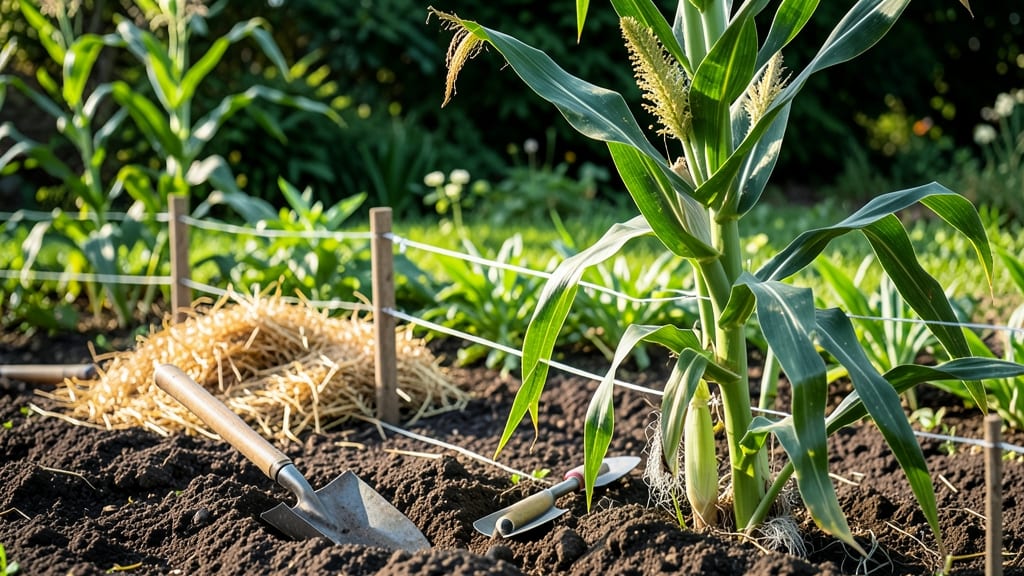
Planting corn in South Carolina at the wrong time can mean the difference between a bumper crop of sweet 🌽 and a disappointing harvest. The key to success lies in understanding your USDA Zone 7b-8a planting window, where timing directly impacts germination rates and pest resistance.
Most gardeners in South Carolina know the general rule: mid-April to late May is ideal, but even a two-week delay can throw off your entire growing season. Soil temperatures below 60°F slow down germination, while waiting too long risks late-season pests like corn earworm.
In this guide, I’ll break down the exact planting schedule for your region, including how to adjust for early vs. late varieties. You’ll learn when to plant for maximum yield, how to spot timing mistakes early, and even how to extend your harvest with succession planting.
Whether you’re a first-time gardener or a seasoned farmer, these insights will help you grow corn that’s healthier, more productive, and ready to harvest from late July through October. Let’s get started!
Ideal planting windows for corn in South Carolina’s USDA zones 7b-8a
South Carolina’s USDA Zones 7b-8a offer a 180-day growing season, perfect for corn—but timing is critical. Plant too early, and frost will kill tender seedlings; too late, and your harvest arrives during fall rains.
The optimal window balances soil warmth (60°F+) and frost risk, with regional variations between coastal and Upstate areas.
For sweet corn, aim for mid-April to late May—this ensures mature ears by late summer. Dent and flint corn (like ‘Bodacious’ or ‘Pride of Kentucky’) can tolerate slightly later plantings, but avoid pushing past June 15 unless you’re growing short-season varieties (e.g., ‘Early Sunglow’, ready in 60 days).
Coastal Zone 8a (e.g., Charleston, Hilton Head) enjoys warmer soils earlier, so you can start 2–3 weeks ahead of Upstate Zone 7b (Greenville, Spartanburg). Use a soil thermometer—corn won’t germinate below 50°F, and growth stalls under 60°F.
For sweet corn, prioritize ‘Ambrosia’ (72 days) or ‘Peaches and Cream’ (85 days) in mid-April plantings.
Upstate gardeners should wait until after April 15 to avoid late frost, which can damage seedlings. If you’re unsure, use black plastic mulch to warm soil faster—this lets you plant 1–2 weeks earlier safely.
For dent corn (used for hominy or animal feed), extend your window to late May with varieties like ‘Country Gentleman’ (110 days).
Don’t overlook succession planting! In Zone 8a, you can squeeze in a second planting around June 1 for a fall harvest (use ‘Golden Bantam’, a 60-day heirloom). However, avoid this in Zone 7b—ears may mature too late for quality.
Always check local frost dates (SC State Climate Office) and adjust for microclimates (e.g., south-facing beds warm faster).
Pro tip: Plant in blocks, not rows, to ensure cross-pollination (corn is wind-pollinated). Space rows 30–36 inches apart and thin seedlings to 10–12 inches apart once they’re 6 inches tall. This maximizes airflow and reduces fungal diseases like corn smut, which thrives in crowded, humid conditions.
Watch for soil moisture—corn needs 1–2 inches of water weekly, but overwatering can cause root rot. In Zone 7b’s drier summers, mulch with straw to retain moisture.
If your soil feels clay-heavy, amend with compost before planting to improve drainage. Sweet corn is especially sensitive to nutrient deficiencies, so side-dress with 10-10-10 fertilizer when plants reach knee-high.
Remember: Harvest timing is just as critical as planting. Sweet corn is best 1–2 days after silks brown—wait longer, and kernels turn starchy and tough. For dent corn, wait until moisture content drops below 20% (test by piercing a kernel—it should dent easily).
Store ears in a cool, dry place (50–60°F) for up to 2 weeks.
Master these windows, and you’ll enjoy homegrown corn from July through October, with minimal pests and maximum sweetness. Happy planting! 🌽
How to adjust planting for South Carolina’s microclimates and corn varieties
South Carolina’s diverse microclimates—from the humid coastal regions to the warmer Piedmont and cooler Upstate areas—require tailored corn planting strategies. Each zone offers unique frost patterns, soil warmth, and pest risks, making variety selection and timing adjustments critical for success.
For example, coastal areas like Charleston may experience earlier soil warming, while the Upstate’s Greenville often waits for consistent 60°F+ soil temps by late April.
Choosing the right corn variety is just as important as timing. Early-maturing types like ‘Silver Queen’ (70-75 days) thrive in coastal and Piedmont zones when planted in mid-April, while late-season varieties like ‘Peaches and Cream’ (90+ days) need Upstate’s longer summers, planted no later than early May.
Each region’s frost risk and heat tolerance demands a different approach—let’s break it down.
| Region | Best Planting Window | Recommended Varieties | Key Risks |
|---|---|---|---|
| Coastal (Zone 8a) | Mid-April to early May | ‘Silver Queen’, ‘Peaches and Cream’ (early), ‘Ambrosia’ | Early planting = fungal risks; late planting = shorter season |
| Piedmont (Zone 7b-8a) | Late April to mid-May | ‘Bodacious’, ‘Golden Bantam’, ‘Country Gentleman’ | Heat stress in late summer; corn earworm pressure |
| Upstate (Zone 7b) | Early May to late May | ‘Peaches and Cream’, ‘Country Gentleman’, ‘Tuxedo’ | Late frosts; shorter growing season |
Early planting in coastal areas (mid-April) gives you a head start but increases risks of soilborne diseases like Fusarium if temperatures hover below 60°F. Conversely, planting too late—even in May—can leave your ‘Peaches and Cream’ ears vulnerable to ear rot as summer heat peaks.
A good rule: wait until soil temps consistently hit 60°F for 5+ days, then plant within 2 weeks.
For Upstate gardeners, where summers are shorter, focus on early-maturing varieties (60-75 days). If you miss the May window, consider succession planting with fast-growers like ‘Golden Bantam’ in early June for a late-summer harvest.
In the Piedmont, where heat and humidity linger, prioritize disease-resistant hybrids and space plants wider (12-18 inches apart) to improve airflow and reduce fungal pressure.
Pro tip: Use black plastic mulch in cooler regions to warm soil faster, or straw mulch in hot zones to retain moisture. Both tricks help buffer extreme temperatures and extend your planting window by 1-2 weeks.
Pair this with drip irrigation to avoid water stress during South Carolina’s unpredictable summer rains and drought spells.
Remember, corn needs pollination from neighboring plants, so always sow in blocks (not rows) of at least 4x4 feet. This ensures better cross-pollination and higher yields—critical when adjusting for regional quirks. With the right variety and timing, you’ll turn South Carolina’s climate challenges into a corn-growing advantage!