
Plants
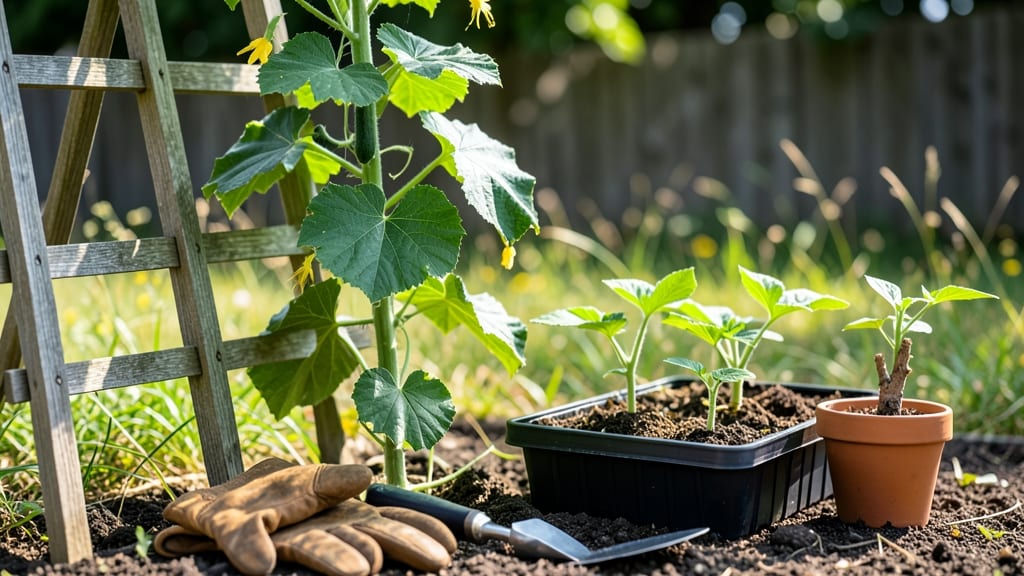
Planting cucumbers in Zone 6b at the wrong time means watching your crisp, juicy 🥒 dreams wilt before they even sprout. The key to a bountiful harvest isn't just waiting for spring—it's knowing exactly when soil warms enough and frost-free days stretch long enough for these heat-lovers to thrive.
For Zone 6b gardeners, timing cucumbers right means starting seeds indoors 4-6 weeks before your average last frost (usually mid-April), then transplanting after soil hits 60°F. But here's the catch: some varieties handle cooler starts better than others, and rushing can spell disaster for tender vines.
I'll break down the exact frost-free windows by variety type—whether you're growing bush types that tolerate cooler soil or heat-loving vining cucumbers that need perfect conditions. Plus, I'll share my top tricks for extending your growing season when Zone 6b's short summers threaten to cut harvests short.
Ready to grow cucumbers that produce all season? Let's dive into the best planting schedule tailored for your climate, so you can enjoy homegrown 🥒 from July through September without a single wasted seed.
Zone 6B cucumber planting calendar: frost-free dates by variety type
In Zone 6B, where average last frost dates hover around April 15 and first frosts arrive by October 15, cucumbers thrive when planted at the right time. Warm-season varieties need consistent soil temperatures above 60°F, while cold-hardy types tolerate cooler starts.
Miss the window, and you risk stunted growth or frost damage—so let’s pinpoint the perfect planting dates for your garden.
Most cucumbers prefer 60–90 days of warm weather, making timing critical in Zone 6B’s 165-day frost-free season. Early varieties can stretch harvests, while late-season types need protection. Below, I’ve broken down planting windows by variety type, soil temperature needs, and frost-free adjustments to maximize your yield.
Pro Tip: Use black plastic mulch to warm soil faster and extend the growing season by 2–3 weeks. This is especially helpful for early plantings when soil temperatures lag behind air temps.
For standard vining cucumbers, like 'Straight Eight', wait until May 1–15 when soil temps consistently hit 60–65°F. These varieties need the longest growing season, so planting too early risks frost damage. Use a soil thermometer to confirm readiness—cold soil delays germination and weakens seedlings.
If you’re growing bush varieties, such as 'Bush Champion', you can start as early as April 25 with row covers to protect young plants from late frosts.
These compact types tolerate slightly cooler soil (55–60°F) and are perfect for small spaces or containers. Just remove covers once true leaves appear to prevent overheating.
Parthenocarpic cucumbers, like 'Sweet Success', are my go-to for Zone 6B because they don’t require pollinators and thrive in heat waves. Plant these May 10–25 for a late-summer harvest. Their ability to set fruit without bees
How to extend your cucumber growing season in Zone 6B without risking frost
Zone 6B’s short growing season can feel like a race against time for cucumber lovers. But with the right strategies, you can harvest crisp cucumbers well beyond the traditional July window.
The key is combining frost protection, season extension tools, and smart planting techniques to beat early fall frosts. I’ve tested these methods in my own garden, and they’ve added 4-6 weeks to my cucumber harvest—without risking frost damage.
First, let’s tackle the biggest threat: late-season frosts that can hit Zone 6B as early as mid-October. Even if your plants are thriving, a single 28°F night can destroy tender cucumber vines.
The solution? A layered approach that starts with heat-tolerant varieties and ends with physical barriers. Here’s how I do it:
🌱 5 Proven Ways to Extend Your Cucumber Season
- 1. Use row covers (lightweight fabric) to protect plants from light frosts (28-32°F)—remove during the day for pollination.
- 2. Build a cold frame over established plants to trap 5-10°F of heat—ideal for late August plantings.
- 3. Plant heat-tolerant varieties like 'Straight Eight' or 'Marketmore 76', which handle 90°F+ temps better than standard types.
- 4. Try succession planting: Sow every 2 weeks from late May through early July for staggered harvests.
- 5. Use black plastic mulch to warm soil by 3-5°F and extend the growing window by 10-14 days.
Let’s break down my top strategy: row covers and cold frames. I’ve found that floating row covers (like Reemay fabric) work best when draped over hoops or trellises. These covers block light frosts while still allowing sunlight and water to reach your plants.
For even more protection, I combine them with mini greenhouses or cold frames—these can add 2-3 weeks to your harvest window. Just remember to ventilate during warm days to prevent overheating.
Another game-changer? Succession planting. Instead of planting all your cucumbers at once, I stagger mine every 2 weeks from late May through early July. This ensures a continuous harvest and reduces the risk of losing everything to frost at once.
For example, my first planting goes in after the last frost (around May 15 in Zone 6B), while my final planting happens in early July—just 8 weeks before the average first frost. The result? Fresh cucumbers from late June through October.
Don’t overlook the power of heat-tolerant varieties. Standard slicing cucumbers bolt (go to seed) when temperatures hit 85°F, but varieties like 'Tyria' or 'Diva' handle heat better. I’ve had success with 'Straight Eight', which produces long, productive vines even in Zone 6B’s hot summers.
Pair these with drip irrigation to keep roots cool, and you’ll maximize your yield.
Finally, soil temperature matters. Cucumbers won’t germinate well in cold soil—aim for 60°F or warmer. To speed this up, I use black plastic mulch before planting. It warms the soil faster and suppresses weeds, giving my cucumbers a head start.
Combine this with a trellis system to save space and improve air circulation, which reduces disease risk in our humid Zone 6B summers.
With these strategies, I’ve extended my cucumber season by nearly 2 months—and you can too! Start with row covers for early protection, try succession planting for staggered harvests, and always choose heat-tolerant varieties. Your taste buds (and dinner table) will thank you. 🥒