
Plants
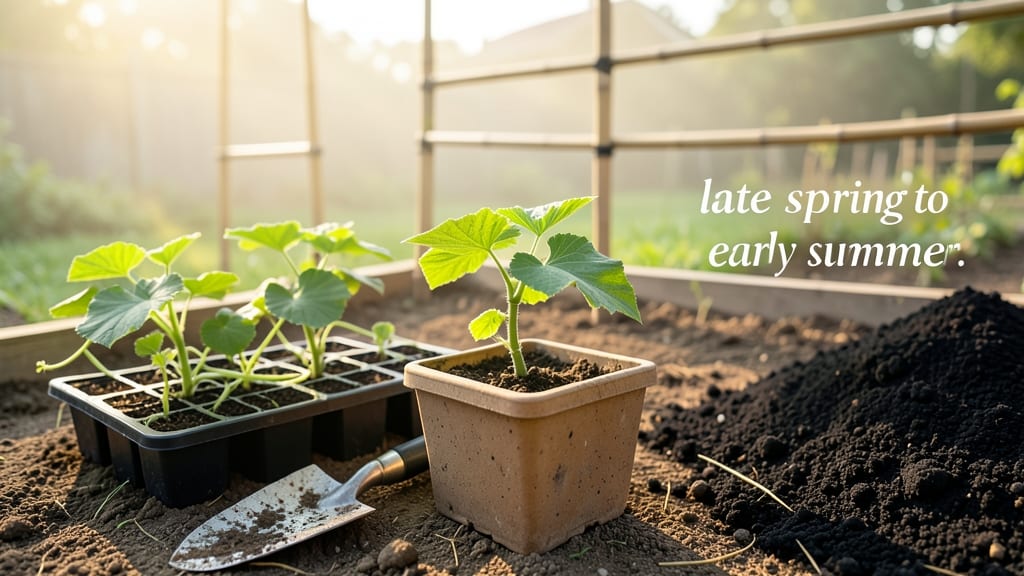
Planting cucumbers at the wrong time in Zone 7a can turn your garden dreams into a bitter disappointment—literally. Those crisp, sweet 🥒 you crave won’t materialize if you rush the season or wait too long, leaving you with tough, seedy fruit instead.
Here’s the truth: timing is everything for cucumbers in 7a, where hot summers and unpredictable springs demand precision. Miss the mid-April to early June window after your last frost, and you risk stunted growth or even failed crops entirely.
But get it right, and you’ll enjoy a bountiful harvest from June through August—or even a second go in fall with late July plantings.
I’ve learned the hard way that soil temperature matters just as much as calendar dates—waiting until it hits 60°F makes all the difference. Plus, I’ll show you how to stretch your growing season with row covers, heat-tolerant varieties, and other smart tricks tailored to Zone 7a’s unique climate.
Ready to turn your cucumber patch into a productivity powerhouse? Let’s dive into the exact dates, prep work, and pro tips that’ll have you harvesting like a local by summer.
Optimal planting dates for cucumbers in Zone 7a: soil temps & frost risks
Cucumbers are one of my favorite summer vegetables, but timing is everything in Zone 7a. Plant too early, and a late frost will kill tender seedlings. Plant too late, and your vines won’t have enough time to produce sweet, crisp fruit before summer heat sets in.
The ideal window balances soil temperature, frost risk, and heat tolerance—and I’ll break it down for you.
In Zone 7a, cucumbers should be planted after your average last frost date, which typically falls around April 15. However, this isn’t the only factor. Cucumbers also need soil temperatures of at least 60°F to germinate properly.
If you plant too soon, even with warm air temperatures, your seeds may rot in cold soil.
For the best results, aim to plant cucumbers 2-3 weeks after your last frost date, when soil temperatures consistently stay above 60°F. In Zone 7a, this usually means waiting until late May.
If you’re eager to start earlier, you can use black plastic mulch or row covers to warm the soil faster and protect seedlings from unexpected cold snaps.
Cucumbers are heat-loving plants, but they struggle when temperatures exceed 90°F for extended periods. In Zone 7a, this often happens by mid-July, which is why many gardeners opt for a fall planting in late July. This second crop benefits from cooler nights and avoids the brutal summer heat.
If you’re growing cucumbers in containers, choose bush varieties like 'Bush Champion' to save space. Container-grown cucumbers also warm up faster, so you can plant them 1-2 weeks earlier than in-ground plants. Just make sure your pots are at least 5 gallons to accommodate their sprawling roots.
One common mistake I see is planting cucumbers too close to their harvest window. Cucumbers take 50-70 days to mature, so if you plant in early June, you’ll be harvesting in late July or August.
Plan ahead to ensure you’re not left with overripe fruit when summer heat peaks.
To maximize your yield, consider succession planting. Start with an early crop in late May, then follow up with a second planting in late July for a fall harvest.
This strategy stretches your cucumber season and reduces the risk of losing your entire crop to heat stress or disease.
Always monitor your local microclimate. Areas near bodies of water or with southern exposure may warm up faster, allowing for earlier planting. Conversely, low-lying spots or shaded areas might need a delayed start.
Use a soil thermometer to check temperatures before planting—it’s the most reliable way to avoid costly mistakes.
Finally, don’t forget that cucumber varieties differ in their heat tolerance. Some, like 'Straight Eight', handle spring heat well, while others, like 'Lemon Cucumber', thrive in the summer. Choose varieties that match your planting window for the best results.
With the right timing, your cucumbers will flourish in Zone 7a, giving you crisp, homegrown fruit all season long. Happy planting! 🌱
How to extend your cucumber growing season in Zone 7a: cold start & late harvest tips
Zone 7a gardeners know summer heat can be intense, but cold snaps in spring and early fall frosts can cut your cucumber harvest short. The key to maximizing yields is extending the growing season—both earlier starts and late-season plantings.
With the right techniques, you can enjoy fresh cucumbers for 3-4 weeks longer than the standard window.
Most gardeners in Zone 7a plant cucumbers after the last frost date (mid-April), but that leaves you missing out on early spring harvests and fall production. By using row covers for cold starts and heat-tolerant varieties for late plantings, you can push your season to its limits.
Let’s break down the best strategies for both approaches.
- Start with row covers 4-6 weeks before your last frost date (early March) to warm soil and protect seedlings.
- Plant heat-tolerant varieties like 'Straight Eight' or 'Lemon Cucumber' in late July for a fall harvest.
- Use black plastic mulch to raise soil temps by 5-10°F, speeding up germination for early starts.
- For late harvests, choose parthenocarpic varieties (self-pollinating) to avoid heat stress issues.
- Harvest every 2-3 days during peak season to encourage continuous production.
To get an early start, begin by planting cucumbers under floating row covers in early March. These lightweight covers create a microclimate that warms the soil and protects tender seedlings from late frosts.
I’ve had success with reemay fabric, which lets in sunlight while trapping heat. Remove the covers when plants are 4-6 inches tall to harden them off for transplanting.
For a late-season harvest, focus on heat-tolerant varieties planted in late July. Look for types labeled as disease-resistant or parthenocarpic, like 'Tyria' or 'Diva'.
These varieties thrive in 90°F+ temps and produce fruit even when pollinators are scarce. Pair them with drip irrigation to keep roots cool during heatwaves.
Don’t overlook succession planting as a way to stretch your season. After your first harvest, sow a second batch in early June for a mid-summer boost. Use container gardening for late plantings—5-gallon pots work well—and place them in partially shaded spots to prevent bolting.
With these methods, you can enjoy cucumbers from late May through October in Zone 7a.
Finally, monitor your plants closely for heat stress signs, like yellowing leaves or bitter-tasting fruit. If you notice these, provide afternoon shade with a shade cloth (30-50% block) and increase watering frequency.
A little extra care goes a long way in keeping your cucumbers productive all season long. 🌿