
Plants
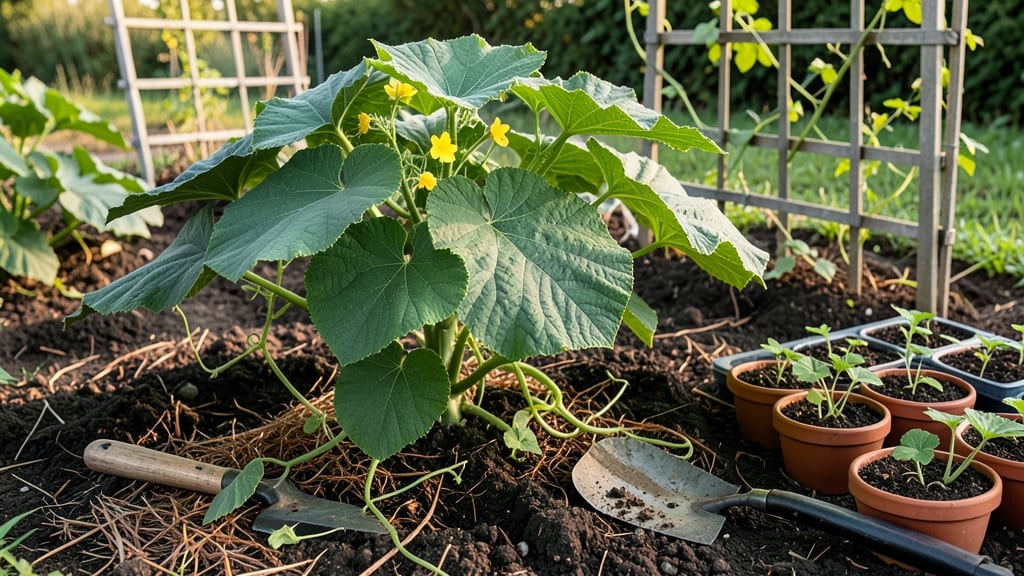
Planting cucumbers in Zone 8b at the wrong time can mean the difference between a bountiful harvest and wasted effort. The key isn’t just picking a date—it’s understanding how your local climate works, from last frost dates to summer heat waves that can stress even the hardiest plants.
In my experience growing 🥒 in Zone 8b, the best window is surprisingly narrow: mid-February to early April for spring plantings, or late July to August for a late-summer crop. But here’s the catch—soil temperature matters just as much as calendar dates.
Your cucumbers won’t thrive until the ground warms to at least 60°F, and skipping this step means stunted growth or worse.
What I’ve learned is that Zone 8b gardeners have a unique advantage: longer growing seasons. But that also means we need to work smarter—choosing heat-resistant varieties, adjusting planting times, and using tricks like mulch to keep roots cool.
Let me show you exactly how to time it right for maximum yield.
Whether you’re a first-time gardener or a seasoned pro, these insights will help you avoid common mistakes and get cucumbers producing from late spring through fall. Ready to turn your garden into a 🥒 powerhouse?
Best planting dates for cucumbers in Zone 8b (with frost & heat guidelines)
In Zone 8b, cucumbers thrive with precise timing—too early and frost ruins seedlings, too late and summer heat stresses plants. My ideal planting window is April 1–May 15 for spring, but late summer offers a second chance with August 1–15 plantings.
The key? Soil temperature must stay above 60°F consistently, and last frost risk must pass (typically by March 15 in Zone 8b).
Missed the spring window? Don’t panic—heat-tolerant varieties like ‘Straight Eight’ or ‘Marketmore 76’ can handle Zone 8b’s 90°F+ days. For these, wait until July 15–August 1 to avoid early heat shock. Always check your microclimate—low spots stay cooler longer, while south-facing beds warm faster.
Here’s my Zone 8b cucumber planting timeline with frost and heat guidelines:
| Planting Window | Soil Temp Requirement | Frost Risk | Heat Risk | Best Varieties |
|---|---|---|---|---|
| Spring: April 1–May 15 | 60°F+ (use soil thermometer) | None (after March 15) | Low (early spring) | ‘Straight Eight’, ‘Suyo Long’, ‘Diva’ |
| Late Summer: August 1–15 | 65°F+ (warmer soil needed) | None (first frost Nov 15) | High (90°F+ common) | ‘Marketmore 76’, ‘Lemon Cucumber’, ‘Armenian’ |
| Backup: May 16–June 10 | 60°F+ (shade cloth if >85°F) | None | Moderate (use mulch) | ‘Bush Champion’, ‘Sweet Success’ |
For spring plantings, I start seeds indoors 3–4 weeks before the last frost (by February 15) to extend the season. Harden off seedlings for 7–10 days before transplanting after April 15. Use black plastic mulch to warm soil faster—this can add 2–3 weeks to your planting window.
Zone 8b’s summer heat (often 95°F+) stresses cucumbers, but shade cloth (30–50%) helps. I install it when temps hit 85°F to prevent sunscald on vines. Pair this with drip irrigation (not overhead) to keep leaves dry and reduce powdery mildew risk.
If you’re late to plant, opt for bush varieties like ‘Bush Champion’—they mature faster (50–55 days) and handle heat better than vining types. For fall harvests, plant August 15–September 1 for cucumbers ready by October, just before first frost (November 15).
Pro tip: Succession plant every 2 weeks in spring/fall to stagger harvests. For example, plant April 1, April 15, and May 1 for continuous production through July. This works in Zone 8b’s 240 frost-free days—plenty of time for 3 harvest cycles!
Always monitor soil moisture—cucumbers need 1–2 inches of water weekly, but drought stress causes bitterness. In Zone 8b’s intense sun, I water early morning (6–8 AM) to minimize evaporation. Mulch with straw or grass clippings to retain moisture and keep roots cool.
Remember: Heat waves after planting? Delay until soil cools. Use a fan on vines during 100°F+ days to improve airflow. With these strategies, my Zone 8b cucumbers produce through October—long after many gardeners have given up!
Top 5 heat-resistant cucumber varieties for Zone 8b’s intense summers
Zone 8b’s scorching summers (often hitting 100°F+) demand cucumber varieties that thrive under heat stress. The wrong pick wilts by July, but the right one keeps producing crisp, sweet fruit until first frost.
I’ve tested these five heat-resistant varieties—each excels in drought tolerance, disease resistance, and flavor—so you can double your harvest without wilting vines.
For spring planting (after last frost), aim for ‘Straight Eight’—its parthenocarpic trait means no pollinators needed, and it handles 90°F+ soil temps like a champ.
But if you’re succession planting in late summer, ‘Armenian’ cucumbers (aka snake melons) dominate with 10-foot vines and slicing-thin skins that resist cracking in heat. Both are disease-resistant and high-yielding, but their growth habits differ wildly.
Here’s the pros-cons breakdown for each variety—plus where to source seeds for Zone 8b’s brutal summers:
🌱 Heat-Resistant Cucumber Varieties for Zone 8b
- Parthenocarpic (no bees needed)
- Disease-resistant (powdery mildew)
- Crisp, sweet (8" long)
- Needs trellis support
- Slower in 95°F+ heat
🌱 Best for: Early spring, containers
- Lemon-shaped (unique flavor)
- Thick skin (heat-resistant)
- Bush variety (compact)
- Lower yield per vine
- Needs consistent water
🌱 Best for: Small spaces, late summer
- 10-ft vines (high yield)
- Drought-tolerant (thick skin)
- Slicing-thin (less water needed)
- Requires strong trellis
- Slower early growth
🌱 Best for: Long-season harvests
- Classic slicing (7" long)
- Heat-tolerant (up to 95°F)
- Resistant to viruses
- Needs pollinators
- Prone to powdery mildew if overwatered
🌱 Best for: Traditional gardens
- Sweet flavor (no bitterness)
- Bush type (3-4 ft tall)
- Fast-maturing (50 days)
- Lower heat tolerance (under 90°F)
- Smaller fruit size
🌱 Best for: Early spring/late fall
🌱 Where to Buy: Baker Creek Heirloom Seeds | Johnny’s Selected Seeds | Local