
Plants
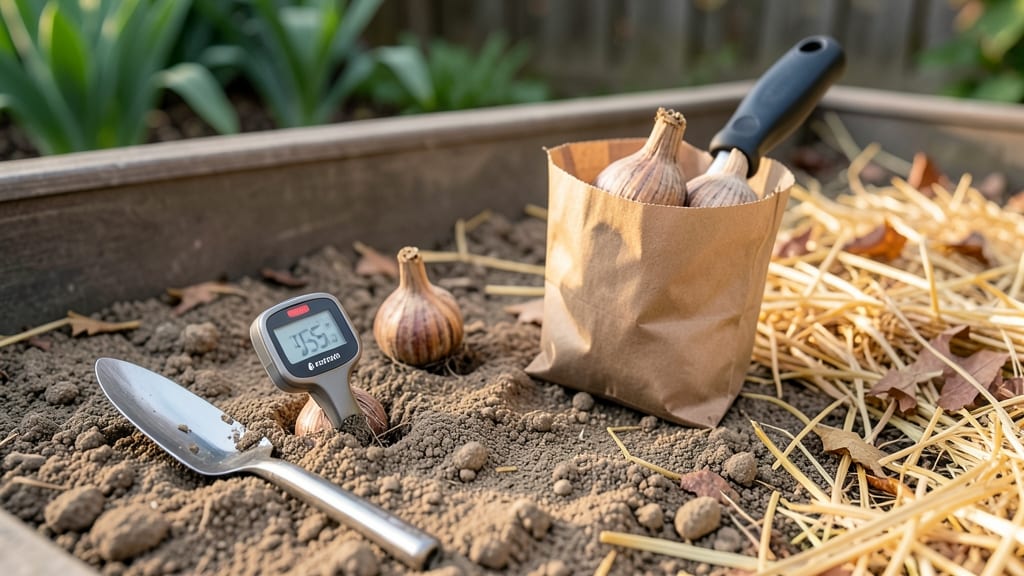
Planting daffodil bulbs at the wrong time in Indiana can mean the difference between a vibrant spring garden and wasted effort. The key to success lies in timing—those bright 🌼 blooms need a strong start, and fall is their only chance to root before winter sets in.
Most Indiana gardeners in USDA Zone 6a should aim to plant between October and November, but getting it right means understanding your local frost dates.
Too early, and the bulbs may sprout before the ground freezes; too late, and they won’t establish deep enough roots for next year’s showstopping display.
I’ve learned the hard way that rushing the process can leave you with weak stems or no blooms at all. The secret? Plant when soil temperatures drop below 60°F but before the ground freezes solid—usually 6-8 weeks before the first frost in your area.
Don’t worry if you’re unsure about exact dates—I’ll walk you through how to adjust for Indiana’s unpredictable fall weather, plus soil prep tips that make all the difference. Let’s get those daffodils in the ground the right way.
Best planting months for daffodils in Indiana’s climate zones
Indiana’s USDA Zones 5-6 create perfect conditions for daffodils, but timing is everything. Planting too early exposes bulbs to soil heaving from freeze-thaw cycles, while late planting delays root establishment. The 6-8 week window before ground freeze is your golden opportunity for vibrant spring blooms.
Most Indiana gardeners should aim for mid-October to early November—when soil temperatures drop below 60°F but before hard frost. This aligns with nature’s cycle, giving bulbs time to root before winter dormancy. Early bloomers like ‘Ice Follies’ may need planting by mid-September to beat frost.
Here’s your Indiana-specific planting timeline with soil temperature thresholds and frost risk analysis:
| Planting Window | Soil Temp Threshold | Frost Risk | Indiana Zone 5-6 | Bloom Time |
|---|---|---|---|---|
| Late September | 60-65°F | Low (early frost possible) | Best for Zone 6 (southern IN) | Early April |
| October | 50-55°F | Moderate (frost likely late month) | Ideal for all Indiana zones | Mid-April |
| Early November | 40-45°F | High (ground freeze imminent) | Safe for Zone 5 (northern IN) | Late April |
| December | Below 32°F | Very High (risk of bulb damage) | Emergency only (protected areas) | May (delayed) |
Why does this timing matter? Daffodil bulbs need 6-8 weeks of root growth before winter to establish strong stems for next spring’s blooms. Planting in October gives roots time to develop even if frost arrives early, while November plantings still thrive in Indiana’s milder microclimates.
For northern Indiana (Zone 5), prioritize planting by November 1st to avoid frost damage. Southern Indiana gardeners (Zone 6) have more flexibility until mid-November.
Always check your local average first frost date—most Indiana regions experience it around October 15th, but microclimates near lakes or urban areas may vary by 1-2 weeks.
Pro tip: Use a soil thermometer to confirm temperatures are consistently below 60°F before planting. This simple tool prevents costly mistakes in Indiana’s unpredictable fall weather. For early bloomers, plant bulbs 6-8 inches deep in well-draining soil to protect against frost heaving.
Adjust for unseasonable warmth by monitoring weather forecasts. If temperatures stay above 50°F into December, bulbs can handle planting until early December. However, avoid planting when soil is frozen or saturated—this creates anaerobic conditions that rot bulbs before they establish roots.
Remember: Daffodils planted in fall reward you with earlier and more abundant blooms than spring-planted bulbs. The root system established during winter ensures stronger stems and larger flowers. In Indiana’s climate, this means 3-4 weeks earlier blooms compared to spring plantings.
For gardeners in Indiana’s urban heat islands, plant bulbs 1-2 weeks earlier than rural areas. Concrete and pavement retain heat, delaying frost. Conversely, wooded areas may experience frost 1-2 weeks earlier, so adjust your timeline accordingly.
Once planted, mulch with 2-3 inches of straw to insulate bulbs and prevent soil temperature fluctuations. This simple step can mean the difference between vibrant spring blooms and failed growth in Indiana’s variable climate.
How to time your planting for maximum bloom success
Timing your daffodil bulb planting in Indiana isn't just about the calendar—it's about reading your local climate and aligning with nature's rhythms. The key is planting 6-8 weeks before the first hard frost, typically between mid-September and November.
This window ensures bulbs establish roots before winter dormancy while avoiding spring blooms that arrive too late for full enjoyment.
Indiana's USDA Zone 5-6 climate means your first frost usually arrives around mid-October, but this can vary yearly. Check your local frost date forecast and work backward—daffodils need time to root before temperatures drop consistently below 40°F (4°C).
For most of Indiana, this translates to planting between October 1st and November 15th.
Don't overlook the moon phases either! Planting during the waxing moon (when the moon is growing) is traditionally believed to encourage root growth. Aim for the 7 days before the full moon to give roots time to establish before lunar energy shifts.
This old gardener's trick aligns surprisingly well with daffodils' natural growth cycles.
- Test soil moisture 2-3 days before planting. Soil should be cool but workable—not soggy or bone-dry.
- Choose healthy bulbs with firm, dry skins and no mold. Larger bulbs (1.5" diameter) produce more blooms in their first year.
- Plant at 6x depth—measure bulb height and multiply by 6. For 6" bulbs, aim for 36" depth (adjust for smaller bulbs).
- Space bulbs 6" apart in rows 9" apart for optimal airflow and reduced disease risk.
- Add bone meal to planting holes (1 tbsp per bulb) for phosphorus, which boosts root development.
After planting, focus on soil moisture rather than frequency. Water deeply once after planting to settle soil around bulbs, then monitor for consistent moisture until the ground freezes.
Mulch with 2-3" of straw or leaves to insulate bulbs and retain moisture. This protective layer also deters voles and squirrels, which love fresh daffodil bulbs.
Spring care begins in early March when shoots emerge. Remove mulch to prevent rot and fertilize lightly with 5-10-10 when foliage reaches 6" tall. Never cut back leaves until they yellow naturally—this feeds the bulb for next year's blooms.
For continuous color, plant early-, mid-, and late-blooming varieties together.
Remember, daffodils are perennials that multiply yearly. The more you refine your timing, the more your garden will reward you with vibrant, low-maintenance blooms for decades. Start small with 50 bulbs, experiment with varieties, and let Indiana's climate work in your favor—your spring garden will thank you! 🌼