
Plants
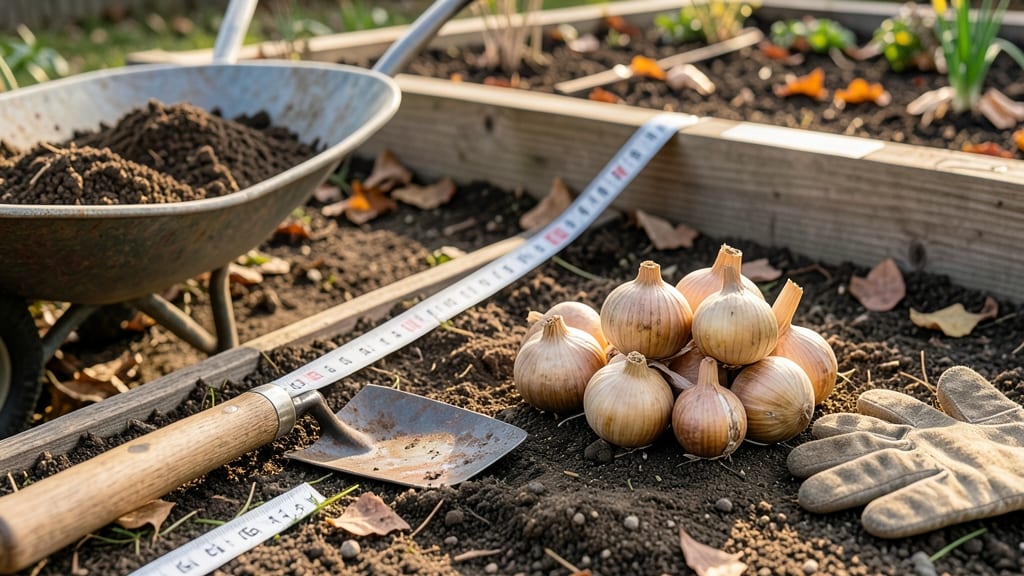
Planting daffodil bulbs at the wrong time in Arkansas can turn your spring garden into a bustling disappointment—no blooms, just muddy holes. The key? Timing those bulbs 4-6 weeks before the ground freezes, typically between October and November, when soil temps hit that sweet 50-60°F range.
Why does this matter so much? Arkansas’ 7a-8b zones mean your daffodils 🌼 face different frost risks depending on whether you’re in the cooler Ozarks or the milder river valleys. Plant too early, and rot sets in; too late, and your bulbs won’t root deeply enough to survive winter.
I’ll break down the exact windows for each zone so you can avoid these common pitfalls.
Most gardeners assume "fall planting" means a broad window, but Arkansas’ humidity and unpredictable weather demand precision. We’ll cover soil prep tricks to handle our clay-heavy soils and how to adjust for early freezes or wet springs.
Get this right, and you’ll have vibrant blooms by March—no guesswork, just guaranteed color.
Ready to transform your yard? Let’s dive into the step-by-step guide that’ll have your daffodils thriving year after year, no matter where in Arkansas you’re planting.
Arkansas daffodil planting calendar by hardiness Zone (fall timing guide)
Arkansas' USDA hardiness zones 6a-7b create a unique window for planting daffodil bulbs—where timing means the difference between vibrant spring blooms and wasted effort. Unlike northern states, Arkansas' milder winters demand precise fall planting to ensure bulbs establish roots before first frost (typically mid-November).
Your soil temperature is the critical factor: aim for 50-60°F (10-15°C) at planting depth. This happens 4-6 weeks before ground freeze, which varies by zone. In Zone 6a (north Arkansas), this means starting late September, while Zone 7b (south Arkansas) can wait until mid-November.
Miss the window, and you risk frost-heaved bulbs or rot from soggy Arkansas soils. Get it right, and your daffodils will reward you with 3-4 weeks of spring color—often before other perennials emerge.
🌼
For Zone 6a gardeners, I recommend planting by October 15—any later risks bulbs not rooting before 20°F (-7°C) temperatures. Use a soil thermometer to confirm 50°F (10°C) at 6" depth before planting.
In Zone 7b, you have more flexibility, but don't wait past November 15—rainy Arkansas winters can turn planting holes into mud pits.
Pro tip: Arkansas' clay-heavy soils drain poorly after rain. Amend planting areas with compost or sand to prevent waterlogged bulbs. Aim for 6-8 inches deep—deeper in sandy soils, shallower in clay.
After planting, mulch with 2-3 inches of straw to insulate bulbs through winter. This is especially critical in Zone 6a, where sub-zero temps can damage shallow bulbs. Remove mulch in early spring to prevent rot before shoots emerge.
🌱
Remember: Arkansas' humidity levels (often 70%+) create ideal conditions for bulb rot if planted too early. Wait until soil temperatures stabilize—this typically happens after 3 consecutive days above 60°F (15°C).
Check local Almanac frost dates and adjust your timeline by 1-2 weeks if your fall is unusually warm or cool.
For container planting, use well-draining mixes with perlite and plant bulbs by October 1 in all zones. Containers warm faster in spring, giving you 2-3 weeks earlier blooms than in-ground plantings.
5 Critical factors that determine perfect Arkansas daffodil planting dates
Planting daffodil bulbs in Arkansas isn't just about picking a month—it's about understanding your local microclimate, soil conditions, and frost patterns. In Arkansas' USDA zones 6a-8b, timing varies by elevation and proximity to water, with river valleys often staying warmer than upland areas.
The difference between a 6-week window in northern Arkansas and a 4-week window in the south can mean the difference between thriving blooms and bulb rot.
First, let's address the most critical factor: soil temperature. Daffodil bulbs need the ground to be between 50-60°F before planting. In Arkansas, this typically occurs in late October to early November, but upland areas may need to wait until mid-November.
Using a soil thermometer is your best tool to avoid guessing—planting too early in warm soil can trigger premature growth and frost damage.
- 🌡️ Soil Temperature: Plant when soil is 50-60°F (use a thermometer!)
- 🌧️ Rainfall Patterns: Avoid planting before heavy rains (risks rot)
- 📏 Bulb Depth: 6-8 inches deep (deeper in sandy soil)
- 🏞️ Microclimates: River valleys plant 2 weeks earlier than uplands
- ⏰ Frost Window: Finish planting 4-6 weeks before first frost
Arkansas' variable rainfall is another game-changer. Heavy autumn rains can turn planting beds into mud pits and increase the risk of bulb rot. If your forecast calls for 3+ inches of rain in the week after planting, delay until conditions dry out.
In clay-heavy soils common across Arkansas, amending with compost or sand improves drainage—critical for preventing soggy conditions that suffocate bulbs.
Don't overlook bulb depth, which directly impacts winter survival. In Arkansas' heavy clay soils, plant bulbs 6-8 inches deep—deeper in sandy areas to protect against freeze-thaw cycles. Use a trowel or bulb planter to ensure consistent depth; uneven planting leads to uneven blooms.
Pro tip: Mulch with 2-3 inches of straw after planting to insulate bulbs and retain moisture during Arkansas' unpredictable winters.
The microclimate divide between Arkansas' river valleys and uplands can shift planting dates by 2-3 weeks. Areas near the Arkansas River or White River often experience warmer soil temperatures longer into fall, allowing earlier planting.
Conversely, Ouachita Mountains regions may need to wait until mid-November to avoid frost. Check your local frost date (typically mid-November in northern Arkansas) and plant 4-6 weeks before to give bulbs time to establish roots.
For late falls, adjust your strategy: plant shallower (5 inches) in well-drained soil if frost arrives early, or opt for container planting to move bulbs indoors if temperatures drop below 32°F before roots establish.
In containers, use a fast-draining mix with perlite and plant bulbs 3-4 inches deep. This flexibility is key for Arkansas gardeners facing unpredictable weather patterns.
Finally, remember that early planting isn't always better. While some gardeners rush to plant in September, waiting until soil temperatures drop below 60°F prevents premature sprouting. Use these 5 factors as your guide: soil temp, rainfall, depth, microclimate, and frost timing.
Master them, and your Arkansas daffodils will reward you with bold, reliable blooms every spring. 🌼