
Plants
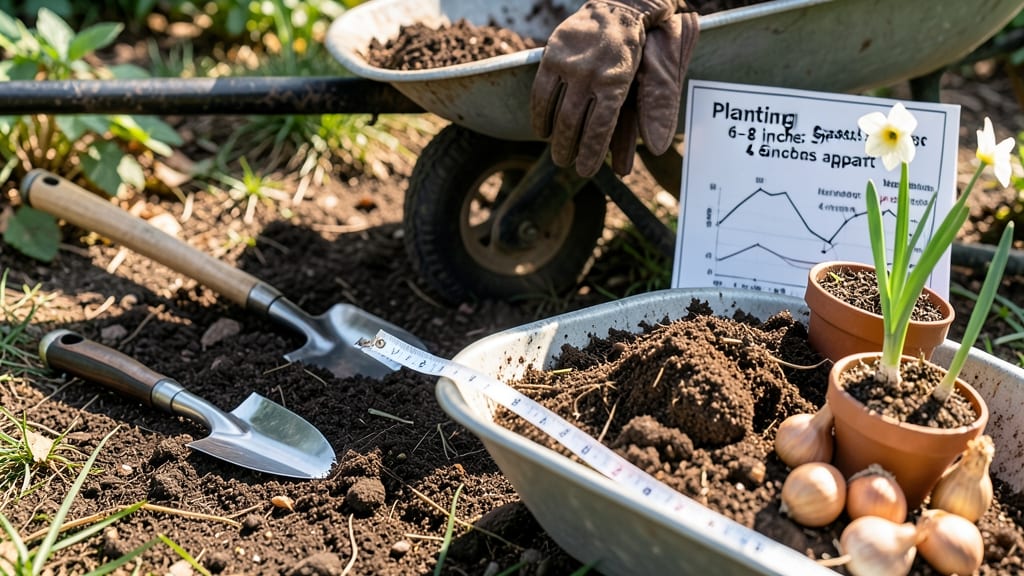
Planting daffodil bulbs at the right time in Seattle isn't just about following a calendar—it's about working with the city's chilly, rainy seasons to unlock those bold spring blooms you've been dreaming of.
The ideal window of September through November gives bulbs time to root before winter sets in, ensuring they burst into color when the first frost finally thaws.
Why does timing matter so much? In Seattle's 8a climate, where temperatures can swing wildly and rain never takes a real break, planting too early means bulbs might sprout prematurely and get fried by frost.
Too late, and they won’t establish strong roots before winter dormancy kicks in. The key is finding that sweet spot where the soil is cool but workable—just like Goldilocks, but for your 🌼 daffodils.
I’ve learned the hard way that Seattle’s microclimates can throw off even the best-laid plans. While most gardeners focus on the September-November rule, I’ll show you how to adjust for your specific neighborhood—whether you’re battling early frosts in the hills or soggy soils near the water.
With the right approach, you’ll have daffodils popping up like clockwork, turning even the grayest Seattle days into a burst of sunshine.
Let’s dive into the exact steps to time your planting perfectly, from soil prep to bulb depth, so you can enjoy those cheerful blooms come April or May—no guesswork required. Trust me, your future self (and your neighbors) will thank you.
Best months to plant daffodil bulbs in Seattle’s climate
Seattle’s mild autumns and cool winters create the perfect conditions for planting daffodil bulbs, but timing is everything. Unlike warmer climates, fall planting gives bulbs time to establish roots before winter dormancy.
In Seattle’s USDA Zone 8a, the ideal window spans September through November, aligning with soil temperatures dropping below 60°F (15°C)—the sweet spot for root growth.
The key is planting 4-6 weeks before the first frost, which typically hits Seattle around mid-November. This ensures bulbs have time to develop a strong root system before winter slows growth.
However, Seattle’s microclimates—like warmer urban areas versus cooler coastal zones—can shift this window by 2-3 weeks in either direction.
| Month | Soil Temp (°F) | Planting Window | Notes for Seattle |
|---|---|---|---|
| September | 60-70°F | Early September | Best for early bloomers; soil still warm. |
| October | 50-60°F | Mid-October | Ideal for most varieties; cooler temps slow sprouting. |
| November | 40-50°F | Early November | Last chance before frost; plant deeper for protection. |
| December | 35-45°F | Only if soil isn't frozen | Risky; bulbs may sprout too early and freeze. |
If you miss the September-November window, don’t panic—August is a secondary option for early bloomers, while December works only if the ground hasn’t frozen.
However, planting in late November or December risks bulbs sprouting too early, leaving them vulnerable to freeze damage or rot in soggy winter soil. Seattle’s wet winters mean bulbs need well-draining soil to avoid waterlogging.
Adjust for your specific Seattle neighborhood. Areas like Ballard or West Seattle stay cooler longer, so aim for early September planting, while urban heat islands (like downtown) may extend the window into late October.
Always check soil temperature with a thermometer—60°F (15°C) is the magic number for root growth.
For container gardening, plant daffodils in September or early October to match outdoor timing. Use pots with drainage holes and place them in protected spots (like against a south-facing wall) to shield bulbs from wind and heavy rain.
Containers dry out faster, so mulch with straw or shredded bark to retain moisture.
Pro tip: Plant bulbs 6 inches deep and 6 inches apart in well-draining soil. This depth protects them from temperature fluctuations and winter heaving—a common issue in Seattle’s freeze-thaw cycles. Amend heavy clay soil with compost or sand to improve drainage, especially in low-lying areas prone to water pooling.
Watch for early sprouts in mild winters. If shoots appear in December or January, protect them with a light layer of mulch (2-3 inches) to insulate roots. Avoid heavy mulch, which can suffocate bulbs. Once spring arrives, remove mulch to allow sunlight and warmth to encourage blooming.
Seattle’s spring rains in March and April often coincide with daffodil blooming season. Planting in the optimal fall window ensures your bulbs are ready to burst into color just as the city’s drizzle clears.
With the right timing, your daffodils will reward you with bold, cheerful blooms that brighten even the grayest Seattle days.
How Seattle’s rainy season affects daffodil bulb success
Seattle’s consistent rainfall during winter creates unique challenges for daffodil bulb planting. Unlike drier climates, our soggy soils can lead to bulb rot or premature sprouting if not managed properly.
The key is preparing your garden beds to handle excess moisture while still providing the cool, moist conditions daffodils need to establish roots before winter.
I’ve planted daffodils in Seattle for years, and the difference between thriving blooms and failed attempts often comes down to soil preparation and planting depth. Too shallow, and your bulbs may rot in winter rains.
Too deep, and they’ll struggle to push through the soil in spring. Finding that balance is crucial for bold, healthy blooms that emerge right on schedule.
Don’t let excessive rain ruin your daffodil dreams. These bulbs need well-draining soil—if your garden holds water for more than 24 hours after heavy rain, take action now. Amend clay soil with compost or sand, and consider raised beds if drainage remains poor.
Start by testing your soil’s drainage. A simple percolation test will show you how quickly water drains: Dig a 12-inch hole, fill it with water, then time how long it takes to drain.
If it takes longer than 6 hours, your soil needs improvement. I recommend mixing in coarse sand or perlite to create air pockets that prevent waterlogging.
When planting, aim for a depth of 6–8 inches—about three times the bulb’s height. This depth protects against temperature fluctuations while keeping the bulb high enough to avoid sitting in standing water.
In areas with particularly heavy clay soil, consider planting in slightly elevated mounds to improve drainage during Seattle’s wettest months.
Mulching plays a critical role in rainy-season planting. Apply a 2–3 inch layer of straw or shredded leaves after planting to insulate bulbs and prevent soil compaction from heavy rains.
This mulch layer also helps regulate moisture, keeping the soil from becoming too soggy while still providing the consistent dampness daffodils prefer during dormancy.
Finally, avoid planting daffodils in low-lying areas where water pools. If your garden has natural depressions, redirect water with swales or French drains to keep bulbs in well-drained spots. With these adjustments, your daffodils will thrive through Seattle’s winter rains and reward you with stunning spring displays.