
Plants
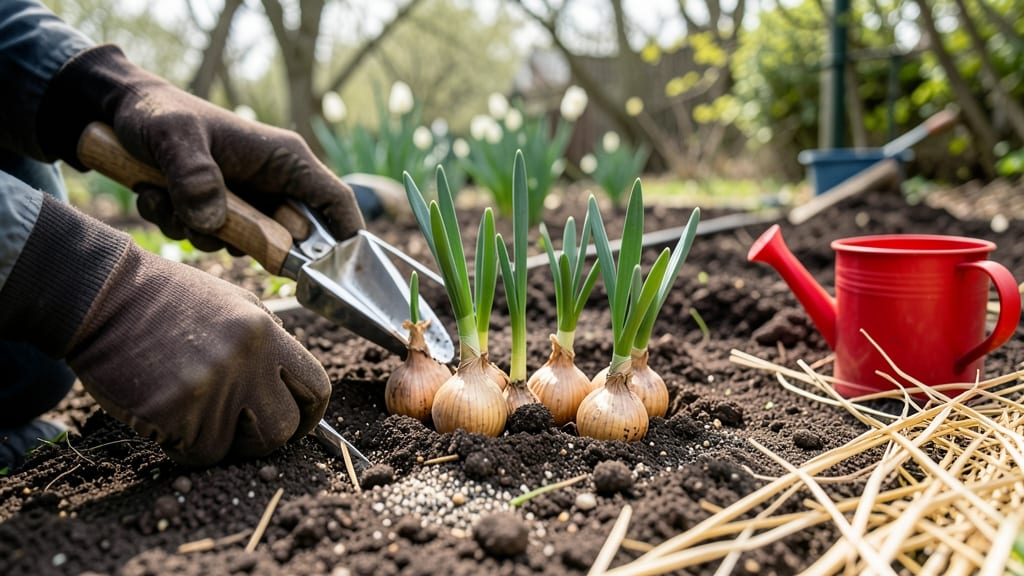
Planting daffodil bulbs 🌼 in Zone 9 feels like playing a high-stakes game of timing—get it right, and you'll reward yourself with vibrant spring blooms; get it wrong, and you might as well toss those bulbs in the trash.
The key isn't just about throwing them in the ground when you remember, but understanding how your local climate dictates the perfect 6-week window before winter sets in.
Most gardeners in Phoenix or Southern California make the mistake of waiting too late, only to watch their bulbs rot in the summer heat.
But here's the secret: the ideal time to plant is between November and January, when soil temperatures dip below 60°F—giving those bulbs just enough chill to root without waking up too early. Think of it like tucking your plants into bed for a long winter nap.
What you'll discover in this guide is how to read your soil, choose the right varieties for your microclimate, and avoid the common pitfalls that turn hopeful gardeners into frustrated ones.
We're talking about soil prep that drains like a dream, bulb depth that keeps them snug but not suffocated, and watering strategies that won't drown your investment before it even begins.
Whether you're a first-time planter or a seasoned gardener looking to perfect your spring displays, these insights will help you transform your Zone 9 garden into a daffodil paradise.
Let's get those bulbs in the ground the right way—so you can enjoy the payoff when those cheerful blooms pop up next spring.
Optimal planting window for daffodil bulbs in Zone 9
In Zone 9, where winters are mild and summers scorching, timing your daffodil bulb planting becomes a delicate balance. The ideal window opens 6-8 weeks before the first frost, typically between mid-November and mid-January.
This late-fall timing ensures bulbs establish roots before winter dormancy while avoiding summer heat stress that can cause premature sprouting or bulb rot.
Daffodils thrive when planted in cool soil temperatures between 50°F and 60°F. In Zone 9, this usually aligns with November's cooler evenings and December's mild days.
The 6-week rule before frost gives roots time to anchor before winter slows growth, while planting too early risks soft, vulnerable bulbs susceptible to pests or fungal diseases.
The science behind late fall planting lies in daffodils' natural dormancy cycle. When planted in cool conditions, bulbs trigger root growth without immediate top growth, storing energy for spring blooms.
Zone 9's Mediterranean climate—with its dry summers and wet winters—makes this timing even more critical to avoid summer drought stress during bulb establishment.
For Phoenix or Southern California gardeners, adjust your window based on microclimates. Coastal areas with cooler winters can plant slightly later (January), while inland desert regions should aim for November planting to beat the heat. Always check your last frost date (typically mid-December in Zone 9) and count backward.
If your Zone 9 winter arrives early with unexpected frosts, don't panic—daffodils are remarkably resilient. Planting in early November gives bulbs a head start, while late January plantings still have time to root before spring warmth.
The key is ensuring soil temps stay above 40°F to prevent bulb damage. For container gardening, use insulated pots and move them to sheltered spots during cold snaps.
For gardeners in warmer microclimates (like urban heat islands), consider heat-tolerant varieties like 'Ice Follies' or 'Tête-à-Tête' that handle Zone 9's milder winters better. These varieties also resist the summer dormancy break that can occur if bulbs are planted too early, causing energy-draining foliage growth during hot months.
After planting, mulch heavily with 2-3 inches of organic material (like straw or shredded bark) to insulate bulbs and retain moisture. In Zone 9, where summer drought is a concern, this mulch layer becomes even more critical to protect newly planted bulbs during their first critical growing season.
Remove mulch in early spring once active growth begins to prevent moisture buildup.
Remember that daffodil bulbs store energy underground during winter, so proper planting timing directly impacts next spring's blooms. The 6-8 week window before frost isn't just a guideline—it's a biological necessity for these Mediterranean natives to thrive in Zone 9's unique climate.
With this timing mastered, you'll enjoy vibrant spring displays year after year with minimal effort.
For first-time planters, mark your calendar for November 15th as your target date—this gives you flexibility to plant up to January 15th while staying within the optimal window. Use a soil thermometer to verify temps (available at garden centers) if you're unsure about your microclimate's readiness.
🌼
How to prepare your Zone 9 soil for daffodil bulbs
Daffodil bulbs thrive in Zone 9 when planted in well-draining soil with a slightly acidic pH. The Mediterranean climate here means we need to combat clay-heavy soils and prevent waterlogging.
Start by testing your soil—most Zone 9 gardens have pH levels between 6.5-7.0, which is perfect for daffodils. If your soil is too alkaline, we'll need to adjust it naturally.
Before planting, clear the area of weeds and debris to reduce competition. Loosen the top 12 inches of soil using a garden fork or tiller. This helps roots penetrate easily and prevents compaction.
If your soil feels gummy when wet, it's likely too dense for daffodils, and we'll need to add organic matter to improve structure.
🌱 Step-by-Step Soil Prep for Zone 9 Daffodils
- 🔹 Test soil pH: Aim for 6.0-7.0 (use vinegar/baking soda test or digital meter).
- 🔹 Amend clay soil: Mix in 3-4 inches of compost or aged manure to improve drainage.
- 🔹 Add perlite/sand: For heavy clay, blend in 20% perlite or coarse sand to prevent waterlogging.
- 🔹 Adjust pH if needed: Lower pH with sulfur (for alkaline soil) or raise with lime (if too acidic).
- 🔹 Mulch lightly: Apply 1-2 inches of straw mulch after planting to retain moisture.
For drainage solutions, focus on breaking up compacted layers. If your garden sits in a low spot where water pools, consider creating a raised bed or mounding soil. Daffodils hate soggy roots, so ensure the planting area has a gentle slope to allow excess water to drain away naturally.
If your soil is sandy, add 2-3 inches of compost to help retain moisture during Zone 9's dry spells.
Once your soil is prepped, the next step is planting depth. Daffodil bulbs should go 6-8 inches deep, with the pointy end up. This depth protects them from extreme heat and ensures they establish strong roots before spring.
In clay-heavy soils, plant slightly deeper (8 inches) to prevent bulbs from sitting in water during our occasional winter rains.
After planting, water deeply but infrequently—daffodils need moisture to root but can rot in soggy soil. Aim for 1 inch of water per week during the dormant season. In Zone 9's Mediterranean climate, this means less water in winter and more as spring approaches.
A drip irrigation system set to shallow depths works best to avoid disturbing the bulbs.
Finally, monitor your soil for signs of improvement. Healthy daffodil foliage in spring means your soil prep worked! If bulbs fail to sprout, check for overwatering or poor drainage—common issues in Zone 9's mixed soil types.
With the right prep, your daffodils will reward you with bold blooms year after year. 🌼