
Plants
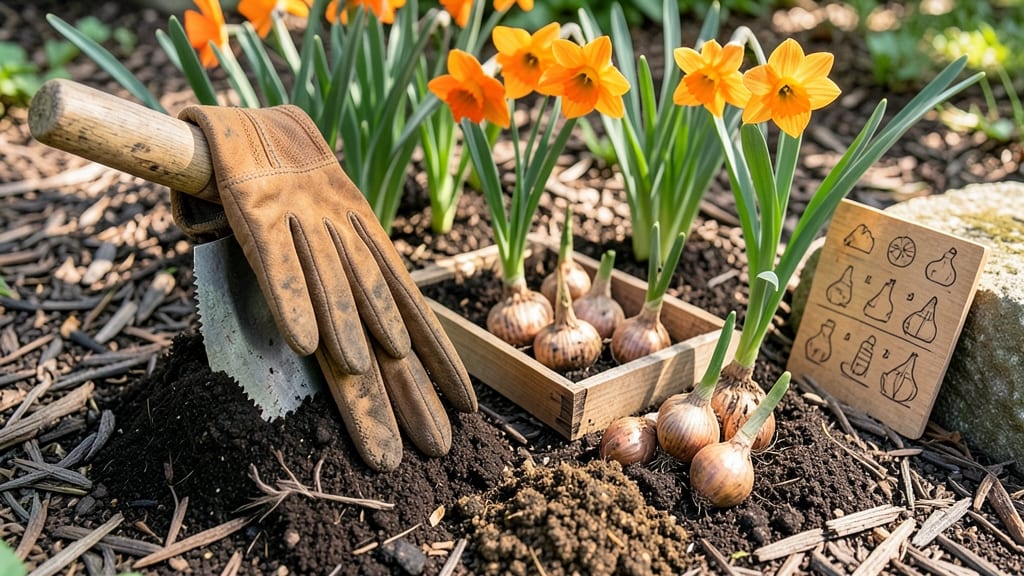
Planting daffodils in Maryland at the wrong time can mean the difference between a showstopping spring display and bulbs that never bloom. These cheerful 🌼 flowers thrive when planted during Maryland’s ideal fall window, but getting the timing right—especially in zones 7a-7b—requires knowing exactly when to dig in.
Most gardeners assume "fall planting" is a broad rule, but Maryland’s climate—with its humid summers and unpredictable winters—demands precision. Plant too early, and your bulbs may sprout before winter sets in; too late, and they won’t establish roots before the ground freezes.
The 4-6 week window before frost is critical, and I’ll show you exactly when that falls for your specific county.
You’ll also discover how Maryland’s microclimates—like Baltimore’s urban heat islands or Western Maryland’s cooler valleys—can shift your planting schedule by weeks. Plus, I’ll cover the 5 key factors that determine success, from soil temperature to frost dates, so you can avoid common mistakes that waste time and money.
Whether you’re a first-time gardener or a seasoned pro, these insights will help you plant daffodils with confidence. Let’s get those bulbs in the ground at the perfect moment for next spring’s brightest blooms.
Maryland daffodil planting calendar by hardiness Zone (5b-7a)
Getting your daffodil bulbs in the ground at the right time is crucial for Maryland gardeners. The 4-week window between late October and mid-November offers the perfect balance of cool soil temperatures and frost-free conditions to establish strong roots before winter.
But Maryland’s microclimates—like Baltimore’s urban heat islands versus Western Maryland’s cooler valleys—can shift ideal timing by up to 2 weeks.
In Zone 5b (northern Maryland), where winters are colder, aim to plant by November 1st to avoid early frosts. Meanwhile, Zone 7a gardeners in southern Maryland have until mid-November before soil temperatures drop too low.
The key is planting when daytime temps hover around 60°F and nighttime temps stay above 40°F—this ensures bulbs root without rotting.
Soil temperature is your best guide: use a soil thermometer to confirm it’s between 50-60°F at 4 inches deep. If temps drop below 40°F, bulbs may not root properly. Maryland’s clay-heavy soils also play a role—amending with compost improves drainage, especially in Zone 6a where wet springs can cause bulb rot.
Here’s your zone-specific planting calendar with actionable deadlines to maximize spring blooms:
| Zone | Planting Window | Ideal Soil Temp | Frost Risk | Actionable Deadline |
|---|---|---|---|---|
| 5b | Late Sept–Oct 31 | 50–60°F | High (first frost: Nov 1) | Plant by Oct 25 |
| 6a | Oct 15–Nov 10 | 50–60°F | Moderate (first frost: Nov 10) | Plant by Nov 1 |
| 6b | Oct 20–Nov 15 | 50–60°F | Low (first frost: Nov 15) | Plant by Nov 10 |
| 7a | Oct 25–Nov 20 | 55–65°F | Minimal (first frost: Nov 20) | Plant by Nov 15 |
For Baltimore gardeners in Zone 6b, urban heat can delay first frosts by 5-7 days, so hold off until late October. In contrast, Western Maryland’s cooler elevations (like Garrett County) may need to plant 2 weeks earlier to avoid early snow.
Always check your local Maryland Extension Service frost dates—last year’s data can vary by 10 days from year to year.
Once planted, mulch with 2-3 inches of straw to insulate bulbs and retain moisture. In Zone 5b, add an extra inch of mulch to protect against freeze-thaw cycles. Avoid heavy mulches like leaves, which can compact and suffocate bulbs.
Water deeply after planting to settle soil around roots—this is especially critical in Maryland’s clay soils, which can dry out quickly in fall.
If you miss the fall window, late winter planting (February) is possible, but spring blooms will be delayed by 4-6 weeks. For Zone 7a gardeners, this means blooms in late April instead of March.
The trade-off? Fewer pests like squirrels, who dig up bulbs in fall. Just be sure to plant by February 15th to allow roots to establish before spring rains arrive.
Pro tip: Use bulb cages in deer-heavy areas like Garrett County—they’re a game-changer for protecting your investment. And if you’re in Baltimore’s heat islands, opt for early-blooming varieties like ‘Tête-à-Tête’ to beat the summer heat.
With the right timing, your daffodils will reward you with bold spring color year after year.
🌼
5 Critical factors that determine perfect daffodil planting time in Maryland
Planting daffodils in Maryland requires precision—especially when dealing with our variable frost dates and clay-heavy soils. Unlike many plants, daffodils need a cooling period to bloom properly, but planting too early can lead to rot, while waiting too long risks frozen bulbs.
The key lies in balancing soil temperature, local frost timelines, and moisture conditions to create ideal conditions for root establishment before winter.
Maryland’s USDA Zones 5b-7a create regional differences—Baltimore’s urban heat islands may frost later than Western Maryland’s rural areas. The Maryland Extension Service recommends planting when soil temps drop to 50-60°F, typically 4-6 weeks before the first hard frost.
This window ensures bulbs have time to root deeply before winter dormancy, preventing heaving and ensuring vibrant spring blooms.
Use a soil thermometer to confirm temps. Maryland’s clay soils retain heat longer—wait until evenings dip below 60°F consistently.
Baltimore averages Nov 15, while Frederick County may frost by Nov 1. Plant 6 weeks before your local first frost date.
Daffodils need 12-16 weeks of 40-50°F temps to bloom. Maryland’s winters naturally provide this, but early planting (Sept) risks rot.
Maryland’s clay soils can waterlog. Amend with compost or sand to prevent bulb rot. Water deeply but infrequently after planting.
Plant in raised beds or mounded soil if your yard has heavy clay. This improves drainage and prevents bulb suffocation during wet springs.
Maryland’s clay-heavy soils are a double-edged sword—they hold moisture well but can become waterlogged, suffocating bulbs. To counteract this, I always amend planting holes with organic matter like compost or coconut coir.
This improves drainage while retaining enough moisture for root growth. If your soil is particularly dense, consider planting in raised beds or on slight mounds to elevate bulbs above the water table.
Another critical factor is moisture management after planting. While daffodils need consistent moisture, overwatering in Maryland’s humid climate can lead to fungal diseases. I recommend watering deeply once a week (or more during dry spells) and avoiding overhead sprinklers.
Mulching with straw or shredded leaves helps retain moisture while preventing soil compaction—a common issue in Maryland’s heavy clay.
Timing your planting around Maryland’s first frost dates is non-negotiable. Use the Maryland Extension Service’s frost maps to pinpoint your county’s average first frost, then back up 6 weeks.
For example, in Baltimore County, this typically means planting by mid-November, while Western Maryland may allow planting until early December. Always have a backup plan—if frost arrives early, cover newly planted bulbs with straw mulch to protect them.
Finally, don’t overlook the bulb chilling requirement. Daffodils need a 12-16 week cold period to trigger blooming. Maryland’s winters naturally provide this, but if you’re in a warmer microclimate (like urban Baltimore), planting slightly earlier in late October ensures they get enough chill time.
This is especially important for tender varieties that may not handle our winters as well.