
Plants
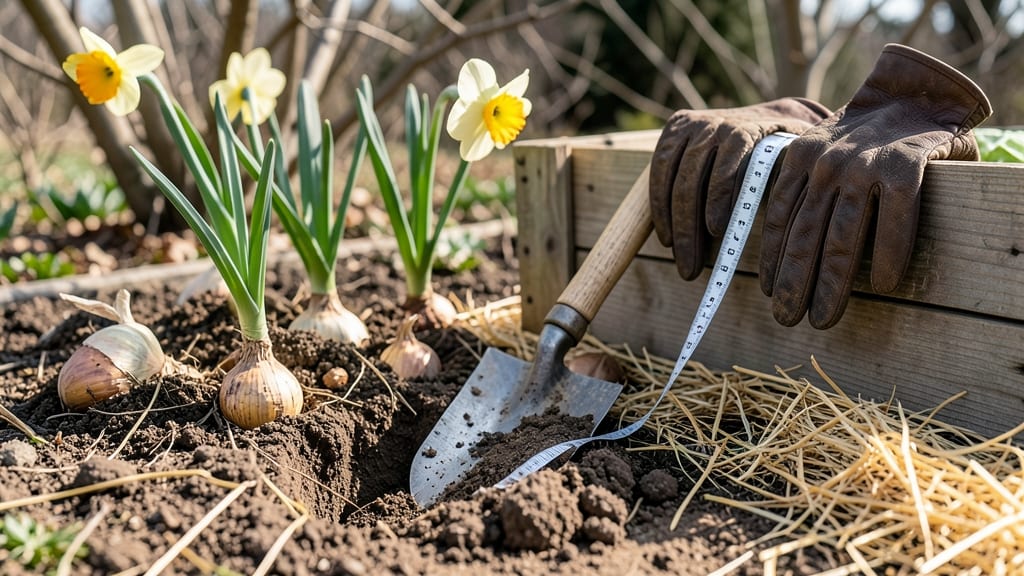
Planting daffodils in Minnesota at the wrong time can mean the difference between vibrant spring blooms and wasted bulbs. The key window—September through November—gives these hardy 🌼 flowers time to root before winter's freeze, even in Zone 4A-5B's harsh conditions.
Too early, and bulbs rot in damp soil; too late, and they won't establish roots before the ground freezes. I've learned the hard way that soil temperature (ideally 40-50°F) and frost dates are your real deadlines, not just calendar months.
This guide breaks down exactly when to plant in Minnesota's varied microclimates—from Minneapolis' urban heat islands to Duluth's colder shores—plus how to prep soil for maximum bulb success.
By the end, you'll know not just when to plant, but how to ensure your daffodils return year after year, even through Minnesota's brutal winters.
Optimal fall planting windows for Minnesota daffodils by region
Minnesota’s Zone 4A-5B climate demands precision when planting daffodil bulbs. Too early, and they’ll rot in warm, wet soil; too late, and they won’t establish roots before frost.
Each region has unique soil temperature and frost timelines that determine the perfect window—typically 6 weeks before ground freeze. Let’s break down the ideal planting dates for Minneapolis, Duluth, Rochester, and St. Paul, plus how to adjust for unpredictable weather.
Daffodils thrive when planted in cool soil (40-50°F). This temperature range allows bulbs to root without sprouting too early. In Minnesota, soil warms faster in southern regions (like Rochester) than in northern areas (like Duluth).
Using a soil thermometer or checking for frost-free soil (dig 6 inches deep—if it’s not frozen, it’s safe) ensures you plant at the right time. A 4-week buffer accounts for late frosts or early cold snaps, giving bulbs time to adjust.
Here’s how Minnesota’s four major regions differ in their optimal planting windows and key considerations:
For Minneapolis gardeners, aim to plant between September 15 and October 5. The city’s Zone 4B climate means soil cools quickly, so avoid waiting until late October. Use mulch (2-3 inches) after planting to insulate bulbs from temperature swings.
If you miss the window, store bulbs in a cool, dark place (like a garage) until next fall.
In Duluth’s colder Zone 4A, plant 2-3 weeks earlier than Minneapolis. The Lake Superior effect brings earlier frosts, so prioritize late August plantings. Test soil with your hand—if it’s too cold or frozen, wait.
Duluth’s shorter growing season means bulbs need extra time to root before winter sets in.
Rochester’s slightly warmer microclimate (thanks to urban heat) allows planting until mid-October. However, soil moisture is critical—Rochester’s clay soils can become waterlogged in fall. Amend with compost or sand to improve drainage. If rain delays planting, cover bulbs with a tarp until you can finish.
St. Paul’s urban heat island can create microclimates where soil stays warmer longer. Plant by October 10, but monitor frost forecasts closely. If you’re unsure, plant a test bulb in early September—if it sprouts too early, delay the rest.
St. Paul’s soil pH (6.0-7.0) is ideal for daffodils, so no amendments are needed unless your soil tests acidic.
Pro timing tip: Use the "6-week rule"—count backward from your average first frost date (check Almanac.com for local data). For example, if frost hits October 20, plant by September 5.
This ensures bulbs root but don’t sprout prematurely. Layering bulbs (planting deeper varieties first, shallower ones on top) also extends bloom time across spring.
Even with perfect timing, post-planting care matters. Water newly planted bulbs deeply once to encourage root growth, then mulch heavily (4-6 inches) to protect against freeze-thaw cycles. Avoid fertilizing in fall—daff
5 Signs your Minnesota soil is ready for daffodil bulbs
Planting daffodil bulbs in Minnesota’s unpredictable climate requires patience and precision. The key to success lies in understanding your soil’s readiness—neither too cold nor too wet. When soil conditions align, your bulbs will root deeply before winter, ensuring vibrant spring blooms even in Zone 4A’s harsh winters.
Let’s explore the 5 telltale signs your garden is finally ready.
First, check the soil temperature—it should hover between 40-50°F. This range is ideal because it allows bulbs to root without risking frost damage. Use a soil thermometer for accuracy, or rely on your local frost forecast as a backup.
Planting too early in cold soil can cause rot, while waiting too long may leave bulbs vulnerable to winter’s chill.
- 1
- 2
- 3
- 4
- 5
Next, test your soil’s moisture level by squeezing a handful—it should hold together but not feel clay-like or dripping wet. Daffodils thrive in well-draining soil, and soggy conditions can lead to bulb rot.
If your garden tends to stay damp, consider amending the area with compost or sand before planting. This simple step prevents one of the most common mistakes Minnesota gardeners make.
Another critical sign is the absence of a hard frost in the near future. Check your local 10-day forecast—if temperatures are predicted to drop below 32°F, delay planting. Daffodil bulbs can tolerate light frosts once rooted, but frozen ground will stunt their growth.
For extra peace of mind, plant bulbs 6 weeks before your area’s first frost date, which typically falls in mid-October for most of Minnesota.
Finally, ensure the top 6 inches of soil are workable. Stick a trowel into the ground—if it resists or feels icy, wait a few more days. Frozen soil prevents roots from establishing, and forcing bulbs into cold earth can cause them to rot.
This is especially true in northern Minnesota (Zone 4A), where winters arrive earlier. Patience here pays off with healthier, hardier plants come spring.
By watching for these 5 key signs, you’ll avoid the pitfalls of planting too early or too late. Remember, the goal is to give daffodil bulbs enough time to root before winter sets in—6-8 weeks is ideal.
With the right timing, your garden will reward you with cheerful yellow blooms that brighten even Minnesota’s gloomiest springs. 🌼