
Plants
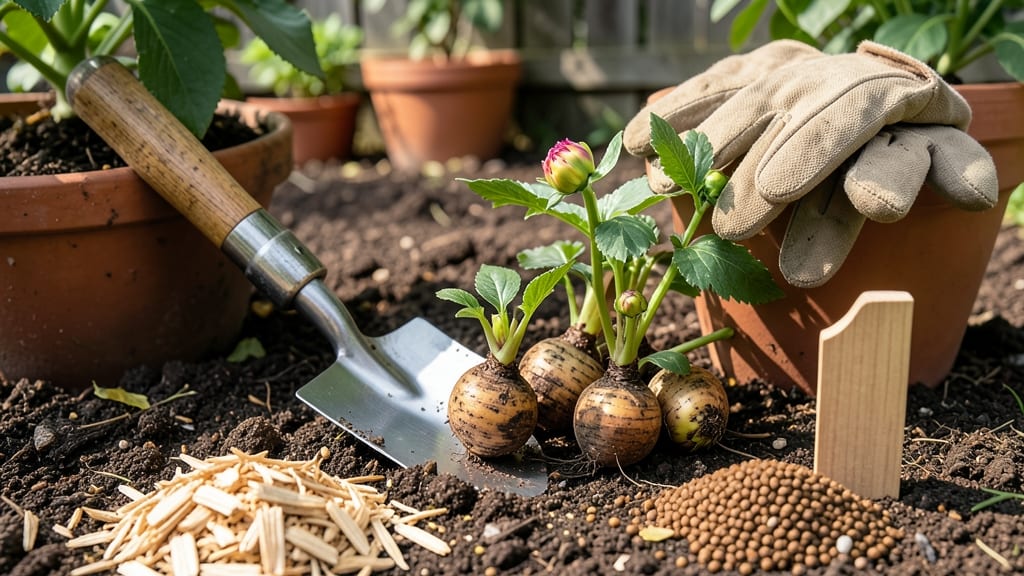
Timing your dahlia bulb planting in Massachusetts can mean the difference between a garden bursting with 🌸 blooms and a sad, frost-nipped disappointment. Since our 5b-6b zone brings unpredictable springs, getting those tubers in the ground too soon risks death by late frost—while planting too late steals precious summer blooms.
Most gardeners wait until mid to late May, after the last frost date (usually around May 15th), when soil temperatures hit a steady 60°F. But here’s the catch: urban areas like Boston often warm faster than rural spots, so microclimates matter.
I’ll break down exactly when to plant based on your specific zone and how to prep your soil for success.
Once you’ve nailed the timing, the real magic happens with proper depth and spacing—4-6 inches deep and 12-15 inches apart—to give those dahlias room to thrive. We’ll also cover how to protect early plants from sneaky late frosts and extend your blooming season well into fall.
Ready to grow dahlias that steal the show from July to October? Let’s dive into the exact steps to make this your most vibrant gardening season yet.
Massachusetts dahlia planting timeline by hardiness Zone (5-7)
Massachusetts gardeners face a delicate balance when planting dahlias—too early and frost zaps tender tubers, too late and you miss peak bloom season. The last frost date shifts dramatically across USDA zones 5-7, with Zone 5b facing the highest risk of late freezes.
Understanding your specific zone’s soil temperature thresholds (aim for 60°F+) and historical frost averages ensures dahlias emerge strong and bloom until frost.
Dahlias need 4-6 weeks of warm soil to establish roots before summer heat arrives. In Zone 7, you might plant as early as mid-April, while Zone 5 gardeners should wait until late May.
The 10-year frost averages below show when to mark your calendar—but always verify with local Massachusetts Agricultural Extension updates for your microclimate.
🌱
| Zone | Last Frost (Avg) | Soil Temp Threshold | Planting Window | Risk Level |
|---|---|---|---|---|
| 5b | May 10-20 | 60°F+ | May 25 - June 5 | ⚠️ High |
| 6a | April 25 - May 5 | 60°F+ | May 10 - May 20 | ⚠️ Medium |
| 6b | April 15 - April 25 | 55°F+ | April 25 - May 10 | ✅ Low |
| 7a | April 1 - April 10 | 55°F+ | April 15 - April 30 | ✅ Low |
| 7b | March 25 - April 5 | 50°F+ | April 1 - April 15 | ✅ Very Low |
Note: Use row covers in Zone 5-6 for 2-3 weeks post-planting to protect from late frosts.
In Zone 5b, where late frosts linger until mid-May, I recommend waiting until May 25 to plant dahlias—even if soil hits 60°F earlier. Use a soil thermometer to confirm warmth; dahlias won’t sprout until roots hit consistent 60°F+.
For Zone 6a/b, aim for May 10-20, but watch for microclimates—urban areas often warm faster than rural spots.
For Zone 7, you can push planting to early April in sheltered spots, but avoid low-lying areas where cold air pools. Test soil moisture too—dahlias hate soggy roots. Amend clay soil with compost or perlite to improve drainage, as waterlogged tubers rot in just 48 hours.
🌿
Pro tip: <
How to extend your dahlia season in Massachusetts: chilling, prep, and frost protection tips
Massachusetts gardeners face a short growing season, but with the right tricks, you can coax dahlias to bloom from early summer until frost. The key lies in chilling bulbs to jumpstart growth, strategic frost protection, and smart mulching techniques that shield roots from temperature swings.
I’ve tested these methods in my own Zone 6b garden to keep dahlias thriving well past Labor Day.
Start by chilling dahlia tubers for 8-12 weeks before planting. Store them in a cool basement (40-50°F) wrapped in damp peat moss. This mimics winter dormancy and ensures vigorous early growth.
I swear by this step—my chilled tubers sprout 2-3 weeks faster than unchilled ones, giving them a head start against late frosts.
⚠️ WARNING: Late Frost Risks in MA Gardens ⚠️
Pro Tip: Plant dwarf varieties (like 'Café au Lait') in containers first—they’re easier to move indoors if frost threatens. For in-ground dahlias, wait until soil reaches 60°F at 4" depth (use a soil thermometer to check).
For frost protection, I rely on floating row covers (like Reemay fabric) when nighttime temps dip below 40°F. Secure them with bricks or hoops and leave edges open during the day for ventilation. This extends the season by 2-3 weeks without stunting growth. Pair this with black plastic mulch—it warms soil faster than bare earth and suppresses weeds.
Urban gardeners can create microclimates to shield dahlias. Plant them near south-facing walls or fences where heat radiates back at night. My container dahlias on a sunny patio stay 10°F warmer than those in open beds.
Add a thick layer of straw mulch (6-8 inches) around the base to insulate roots—this is especially critical in Zone 5b where early frosts are common.
To prolong blooms into fall, deadhead spent flowers religiously and feed with a low-nitrogen fertilizer (like 5-10-10) every 4 weeks. I also prune back leggy stems in early July to encourage bushier growth.
By September, I’ll wrap tender varieties in burlap sacks for overnight protection—this keeps them blooming until the first hard frost.
With these techniques, my dahlias reach their peak in July and keep producing until mid-October, even in my Zone 6b garden. The secret? Chill early, protect late, and never rush planting—your dahlias will reward you with months of vibrant blooms. 🌸