
Plants
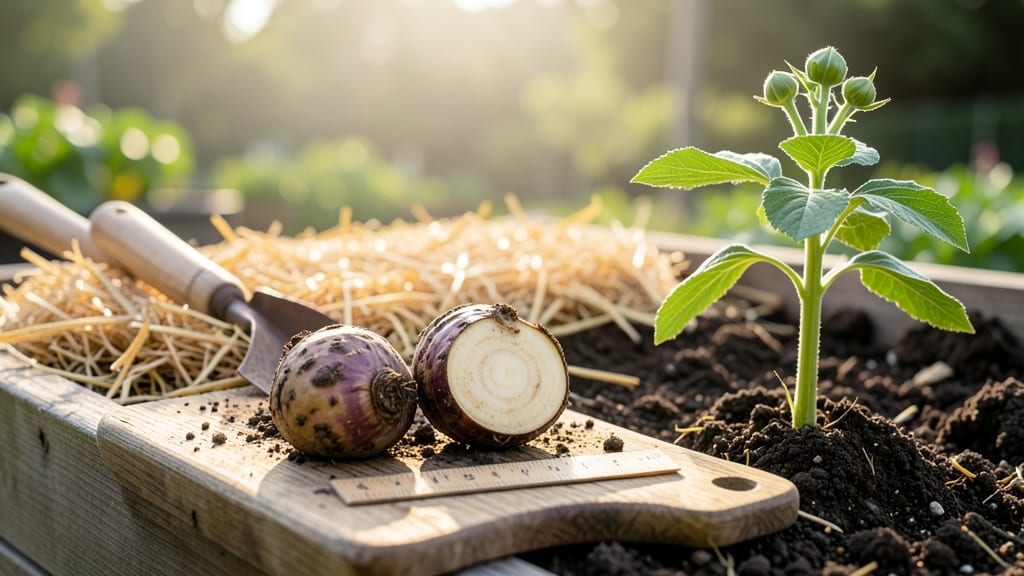
Planting dahlias in Zone 6b at the wrong time can mean the difference between a garden bursting with 🌼 vibrant blooms and tubers rotting in the cold soil. The secret to success isn't just waiting for spring—it's understanding when the earth warms enough to support those delicate roots.
Most gardeners in Zone 6b rush to plant as soon as the frost lifts, but soil temperature is what truly matters. Tubers need 55°F–65°F soil to thrive, and testing it with a simple thermometer (or even your finger) can save you from costly mistakes.
In this guide, I'll walk you through the exact planting window for your region—whether you're in the Midwest or Northeast—and how to prep your dahlias for a long, lush season of color.
You'll learn when to start tubers indoors, how to protect early plants from late frosts, and the best mulching tricks for Zone 6b's unpredictable springs.
By the end, you'll know exactly when to plant your dahlias to get stronger roots, bigger blooms, and fewer headaches. Let's get those tubers in the ground at the perfect moment!
Zone 6B dahlias: the perfect soil temperature range for planting
Dahlias in Zone 6B demand precise timing—planting them when the soil reaches 55°F–65°F ensures strong root growth and vibrant blooms. Below this range, tubers risk rotting, while above it may stress young plants.
Understanding your soil's readiness is the secret to avoiding frost damage or stunted growth, especially in Zone 6B's variable springs.
Soil temperature is more critical than air temperature for dahlias. While your thermometer might show 60°F air, the ground could still be chilly. Use a soil thermometer (inserted 4–6 inches deep) to confirm readiness. This small tool prevents costly mistakes and ensures your dahlias thrive from their first sprout.
Here’s how to test soil readiness without a thermometer: Press your finger into the soil. If it feels warm but not hot (like a lukewarm bath), it’s likely in the ideal range.
Cold, damp soil means wait; dry, crumbly soil may need moisture before planting. This simple finger test saves time and resources.
Zone 6B’s last frost dates vary by region—from early April in southern areas to late April in northern stretches. However, soil warmth lags behind air temperature.
Even after the last frost, cold soil can delay growth. Aim to plant when both conditions align: soil at 55°F+ and nighttime temps above 40°F.
| Soil Condition | Ideal Planting Time | Action Required |
|---|---|---|
| Soil temp: Below 55°F | Wait 1–2 weeks | Pre-sprout tubers indoors or use row covers |
| Soil temp: 55°F–65°F | Plant immediately | Water deeply, mulch to retain warmth |
| Soil temp: Above 65°F | Proceed with caution | Plant in partial shade, water frequently |
| Soil feels cold/damp (finger test) | Delay planting | Use black plastic mulch to warm soil faster |
| Soil feels warm/crumbly (finger test) | Plant now | Apply compost for nutrient boost |
Microclimates in Zone 6B can shift planting windows by weeks. For example, southern Indiana may see ideal soil temps by early May, while upstate New York could wait until late May. Observe nearby gardens: if your neighbors’ marigolds or zinnias are already blooming, your soil is likely ready.
Pre-sprouting tubers indoors is a smart strategy for gardeners in cooler Zone 6B pockets. Start tubers in potting mix 4–6 weeks before your target planting date. When shoots reach 3–4 inches, they’re ready to transplant. This head start compensates for slower soil warming in northern Zone 6B areas.
Mulching is non-negotiable in Zone 6B. Apply 2–3 inches of straw or shredded leaves after planting to lock in soil warmth and moisture. Mulch also suppresses weeds, reducing competition for nutrients. For extra insulation, use black plastic mulch in early spring to raise soil temps by 5–10°F.
Watch for frost warnings even after planting. Young dahlias can tolerate brief dips to 32°F, but prolonged cold stunts growth. Use frost cloth or row covers on nights below 40°F until plants reach 12 inches tall. This simple protection extends your blooming season by weeks.
Adjust your planting timeline if your spring is unusually wet or dry. Excess moisture delays soil warming, while drought conditions can cause soil to heat up too quickly. Monitor weather forecasts and adjust your soil thermometer readings accordingly—flexibility is key in Zone 6B’s unpredictable climate.
Once your dahlias are planted in warm soil, they’ll reward you with bold, continuous blooms from midsummer to frost. The effort to nail soil temperature pays off in vibrant pink, purple, or orange blooms that steal the show in any garden.
With these tips, your Zone 6B dahlias will thrive year after year.
When to plant dahlias in Zone 6B: exact calendar dates by region
Zone 6B spans diverse regions from the Northeast to the Midwest, where last frost dates vary by 2-3 weeks. For vibrant dahlias, timing is critical—plant too early and frost zaps tender tubers; too late and you miss peak bloom season.
My go-to rule: Wait until soil reaches 55°F-65°F (test with a soil thermometer) and nighttime temps stay above 50°F consistently.
In Northeast subregions (e.g., NYC, Boston), aim for May 1-15 after the average last frost date of April 20-30. For Midwest areas (e.g., Chicago, Minneapolis), shift your window to May 15-30, when soil finally warms post-frost.
These dates align with USDA Zone 6b averages but adjust based on microclimates—your backyard might be 2 weeks earlier if near a heat-retaining wall.
🌱 Comparison Table: Zone 6B Dahlias Planting by Region
| Region | Last Frost Date | Ideal Planting Window | Risk Level (Early Planting) | Extension Tips |
|---|---|---|---|---|
| Northeast (NYC, Boston) | April 20-30 | May 1-15 | High (frost risk) | Use row covers; pre-sprout tubers indoors |
| Midwest (Chicago, Minneapolis) | May 1-10 | May 15-30 | Medium (soil warmth delay) | Cold frame for 2 weeks; mulch heavily |
| Great Lakes (Detroit, Cleveland) | April 25-May 5 | May 10-25 | Low (lake-effect warmth) | Direct plant after soil test |
Pro tip: Pre-sprout tubers indoors 4-6 weeks before your target planting date. Place tubers in a tray with moist peat moss, keep in 65°F-70°F light, and watch for 1-inch sprouts.
This head start compensates for Zone 6B’s unpredictable spring soil warming. For late bloomers, try cold frames—they can add 2-3 weeks of frost protection.
If you miss the window, don’t panic! Late May plantings still yield blooms, but expect smaller tubers and fewer flowers. Use black plastic mulch to warm soil faster—it can raise ground temps by 5-10°F and shave 10 days off your planting timeline.
For high-risk areas, opt for dwarf varieties like 'Café au Lait' (2-3 ft tall) that recover faster from delays.
Track your local frost dates using Almanac’s Frost Calculator—it’s free and adjusts for elevation. My final advice: Mark your calendar for October 15 to dig and store tubers before the first frost.
Dahlias are tender perennials; if left in the ground, they’ll rot in freezing temps. With precise timing, your dahlias will reward you with cut flowers from July to frost—worth the patience!