
Plants
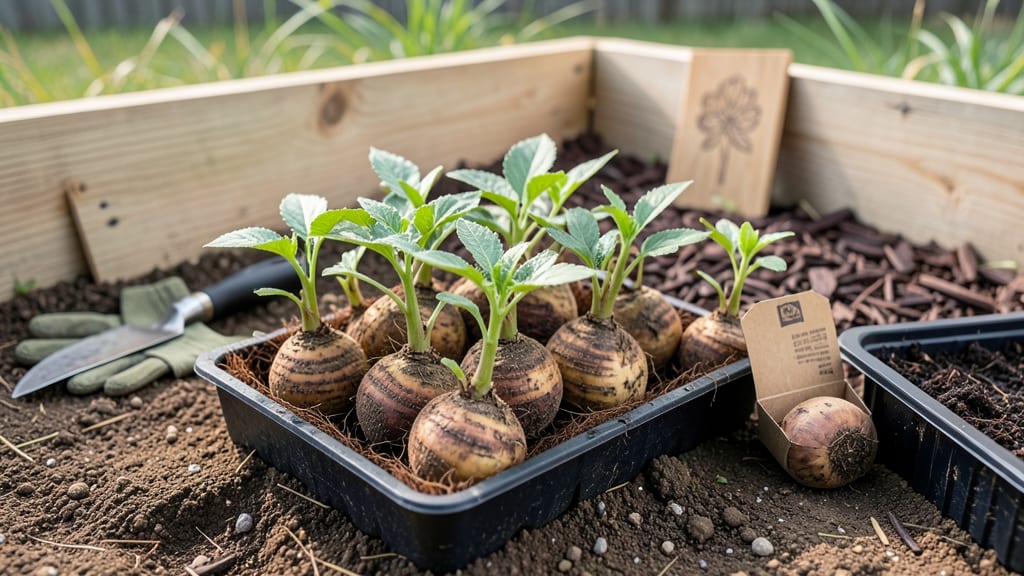
Planting dahlias in Kansas isn’t just about waiting for spring—it’s about catching that sweet spot between frost risk and soil warmth that these tubers crave. Too early, and your 🌸 dahlias will wilt; too late, and you’ll miss their showstopping blooms this summer.
Most Kansas gardeners assume May is the only month to plant, but the real secret lies in soil temperature—not just calendar dates.
In zones 5b-7a, your dahlias need the ground to hit at least 50°F before going in, which can happen as early as mid-April in warmer microclimates or as late as early May in cooler pockets.
Here’s what I’ve learned from years of Kansas gardening: the best time to plant dahlias is when your soil stays consistently warm, not just when the air feels spring-like.
I’ll walk you through how to test your soil, adjust for your specific Kansas region, and even troubleshoot common mistakes that kill blooms before they begin.
Whether you’re a first-time grower or a seasoned pro, these tips will help you time your dahlias perfectly for bold, long-lasting flowers from July through October. Let’s get those tubers in the ground the right way.
Kansas soil temperature guide: when dahlias can survive without frost
Dahlias are frost-sensitive divas that demand consistent warmth to thrive. In Kansas, your soil temperature must reach at least 50°F (10°C) before planting tubers—any earlier, and frost will kill your dahlia tubers before they sprout. The good news? Kansas’s USDA Zones 5b-7a offer varied planting windows depending on your region.
Most Kansas gardeners wait until mid-April to early May to plant dahlias, but this varies by location. Wichita’s later frost dates mean gardeners often wait until May 1, while Kansas City’s milder climate allows planting by April 15. Topeka’s transitional zone falls somewhere in between, typically aligning with April 25.
Don’t rely on air temperature alone—soil warmth is the real indicator. Use a soil thermometer to check 6 inches deep, where your tubers will sit.
If the reading dips below 50°F (10°C), wait another week. Morning sunlight warms soil fastest, so test in the afternoon for the most accurate reading.
Here’s how Kansas’s three major regions compare for dahlia planting:
If you’re unsure about your local frost dates, check the Kansas State University Extension or use a frost calendar for your ZIP code. Microclimates near lakes or hills can delay frost by 1-2 weeks, so adjust accordingly.
For example, Lawrence’s hillside gardens often warm up 5 days earlier than flatter areas.
Pro tip: Pre-warm your soil by covering garden beds with clear plastic for 1-2 weeks before planting. This can shave 3-5 days off your waiting time. Just remove the plastic 24 hours before planting to avoid overheating the tubers.
Once your soil hits 50°F (10°C), plant dahlias 4-6 inches deep and 12-15 inches apart. Water deeply to settle the soil and encourage root growth. Mulch with straw to retain moisture and protect tubers from late spring frosts, which can still sneak in through May.
Remember, dahlias need 6-8 hours of sunlight daily, so choose a south-facing spot with well-draining soil. Amend heavy clay with compost to improve drainage—dahlias hate soggy roots. With the right timing and care, your Kansas-grown dahlias will reward you with vibrant blooms from July to frost.
🌸
Step-by-step dahlias planting timeline for Kansas climates
Planting dahlias in Kansas requires precision—your tubers need soil temperatures above 50°F and frost-free conditions to thrive. Since Kansas spans USDA Zones 5b-7a, timing varies slightly by region, but this timeline ensures your dahlias get a strong start.
Whether you're in Wichita, Kansas City, or Topeka, follow these steps to avoid frost damage and maximize blooms.
Start by pre-chilling tubers for 4-6 weeks before planting to mimic winter dormancy. This step is critical for hardening off tubers and preventing shock. Place them in a cool, dark spot (like a garage) at 40-50°F.
Once sprouts emerge—typically 1-2 inches long—they’re ready for the garden. This usually aligns with mid-March to early April in Kansas.
🌱 Step-by-Step Dahlias Planting Timeline
- March 15-April 1: Pre-chill tubers at 40-50°F for 4-6 weeks. Check for 1-2 inch sprouts.
- April 15-May 1: Plant tubers 4-6 inches deep in well-drained soil after last frost (test soil: 50°F+).
- May 1-June 1: Mulch heavily (3-4 inches) with straw or shredded leaves to insulate roots and retain moisture.
- June 15-July 1: Stake plants (4-6 ft tall varieties) and fertilize with 5-10-10 blend. Water at soil level.
- July-October: Deadhead spent blooms and harvest flowers in morning. Watch for Japanese beetles.
- October 15-November 1: Cut back foliage to 6 inches, dig up tubers, and cure in sunlight for 2 weeks.
- November-December: Store tubers in cool, dry place (40°F) for next year’s planting.
Once your 1-2 inch sprouts appear, wait for consistent 50°F soil temps (use a soil thermometer) before planting. In Kansas, this typically falls between April 15 and May 1, but Wichita’s warmer microclimate may allow earlier planting.
Space tubers 12-15 inches apart in loamy, well-draining soil amended with compost. Plant them 4-6 inches deep, with the neck of the tuber just above soil level.
After planting, mulch immediately with 3-4 inches of straw or shredded leaves to protect tubers from late spring frosts and retain moisture. This layer also insulates roots during Kansas’s unpredictable temperature swings.
Water deeply once a week (1-2 gallons per plant) until shoots emerge, then increase to every 3-5 days during peak summer heat. Always water at soil level to avoid fungal diseases like powdery mildew.
Expect your first buds to appear in late June, with peak blooms from July to October. In Kansas’s shorter growing season, prioritize early-flowering varieties like ‘Café au Lait’ or ‘Bishop’ for maximum enjoyment.
To extend the season, deadhead spent blooms regularly and fertilize every 4-6 weeks with a balanced 5-10-10 blend. By mid-October, dahlias will start dying back—this is your cue to prepare for dormancy.
When the first frost threatens (mid-October in Kansas), cut back foliage to 6 inches tall, then dig up tubers carefully with a fork. Cure them in a sunny, dry spot for 2 weeks to harden skins.
Store tubers in a cool, dark place (40°F) with minimal moisture until next spring. With this timeline, your dahlias will thrive in Kansas’s climate and reward you with stunning blooms year after year. 🌼