
Plants
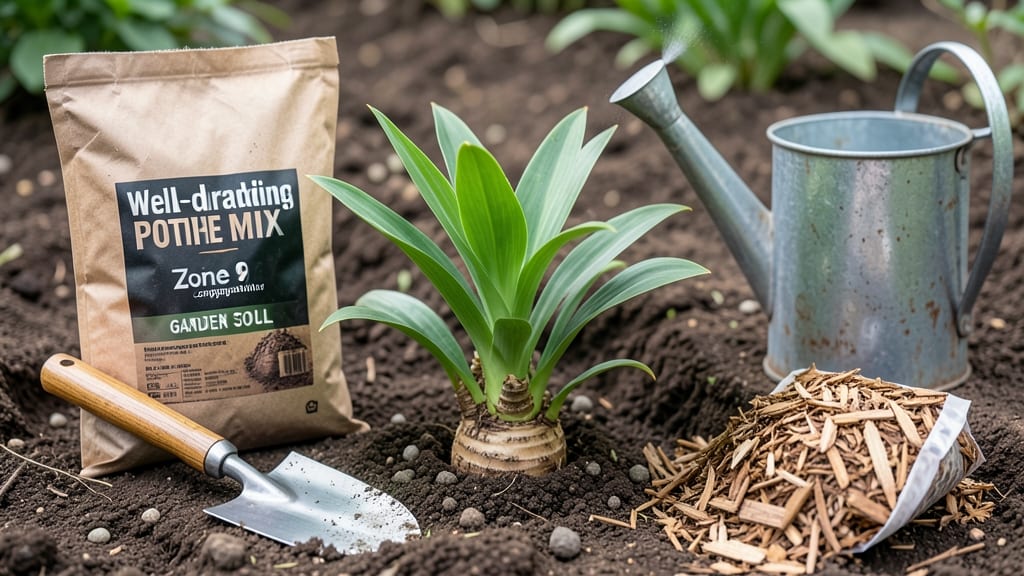
Planting daylily bulbs at the wrong time in Zone 9 can turn your dream garden into a struggle for survival. Unlike cooler climates, Zone 9's mild winters and long growing season demand precise timing to avoid heat stress or stunted growth.
Most gardeners swear by fall planting, but in Zone 9, early spring offers a second chance for success. I’ve seen daylilies 🌸 thrive when planted just 4–6 weeks before the first frost—which in 9b falls around mid-December.
That means your window is wide open from late October through early November, or again in March.
Here’s the game-changer: coastal areas in Zone 9 can plant later than inland spots due to cooler microclimates. Whether you’re near the ocean or nestled inland, I’ll show you how to adjust your schedule for maximum blooms without the guesswork.
Ready to transform your yard into a vibrant display? Let’s dive into the exact steps to plant daylilies so they’ll reward you with year-round color—no matter where you live in Zone 9.
Best months to plant daylily bulbs in Zone 9 for maximum blooms
Zone 9 gardeners know daylilies love the warmth—but timing is everything. Planting at the wrong time can lead to heat stress or poor root establishment. The best windows are early fall, late winter, or early spring, each with unique advantages for your Zone 9 microclimate.
Let’s break down the ideal months and how to adjust for coastal vs. inland conditions.
Inland Zone 9 areas (like Phoenix or San Diego) have hotter summers and milder winters, while coastal regions (like Los Angeles) stay cooler and more humid. Your choice should align with soil temperatures and rainfall patterns—not just the calendar.
For example, coastal zones can plant slightly later in fall due to cooler ocean breezes, while inland zones should avoid summer planting entirely.
Here’s the golden rule: Aim for 60–70°F soil temperatures when planting. In Zone 9, this typically means September–October for fall planting or March–April for spring. Late winter (February) is a hidden gem for coastal areas, where mild winters allow early root growth without summer heat stress.
🌱
| Planting Window | Best For | Soil Temp | Rainfall | Zone 9 Adjustments |
|---|---|---|---|---|
| Early Fall (Sept–Oct) | Root establishment | 60–70°F | Moderate | Inland: Plant by Oct 15; Coastal: Extend to Nov 1 |
| Late Winter (Feb) | Coastal zones only | 55–65°F | Light | Avoid inland; risk of late frost |
| Early Spring (Mar–Apr) | Bloom timing | 65–75°F | Variable | Inland: Best for summer blooms; Coastal: Avoid if wet |
| Avoid Summer (May–Aug) | Heat stress risk | Above 80°F | Low | Roots struggle; bulbs may rot |
Fall planting (September–October) is my top recommendation for Zone 9. The cooler temps and higher humidity help bulbs establish roots before summer heat arrives. If you’re in a coastal microclimate, you can push planting to early November, as ocean breezes keep soils cooler longer.
Inland areas should stop by October 15 to avoid winter dry spells.
Late winter (February) is a niche option for coastal gardeners. The mild winters in places like Santa Barbara allow early planting, but inland zones risk late frosts that can damage tender roots. If you choose this window, monitor forecasts and have a frost cloth ready.
For most Zone 9 gardeners, spring planting (March–April) is a safe fallback, though it may delay blooms until summer.
Avoid planting in summer (May–August)—this is a common mistake that leads to heat stress and rotten bulbs. The soil stays too hot, and evaporation rates outpace root growth.
If you’ve missed the fall window, wait until September rains return before replanting. Pro tip: Use mulch to keep soil temperatures stable if you’re planting in late spring.
🌿
For coastal Zone 9 (e.g., San Diego), prioritize well-draining soil to handle winter rains. Inland areas (e.g., Phoenix) should focus on moisture retention during dry spells. Test your soil’s drainage before planting—daylilies hate soggy roots.
Amend with compost or perlite if needed, and plant bulbs 2–3 inches deep with 12–18 inches between plants for airflow.
Once planted, water deeply for the first 2–3 weeks
How to prepare daylily bulbs for Zone 9 planting: soil, location, and pre-treatment tips
Zone 9’s humid climate and warm soil create unique challenges for daylily bulbs. Unlike cooler zones, these plants need well-draining soil to prevent rot, while also retaining enough moisture to thrive. I’ve learned the hard way that skipping soil prep in Zone 9 leads to stunted roots and fewer blooms.
Before planting, focus on three key areas: soil amendments, optimal sunlight exposure, and bulb pre-treatment. Each step ensures your daylilies establish strong roots before summer’s heat arrives. Let’s break down the exact methods I use for year-round success.
⚠️ Zone 9 Planting Deadline Alert
In Zone 9, planting daylily bulbs after mid-April risks heat stress before roots establish. Coastal areas can extend planting until May 1, but inland spots must finish by April 15 to avoid summer wilting. Mark your calendar!
Start by amending your soil with compost or aged manure to improve drainage while retaining moisture. Daylilies hate soggy roots, so mix in perlite or coarse sand if your soil feels heavy.
I test my soil’s pH first—aim for 6.0–7.0, which daylilies prefer. A simple lime addition can adjust acidic soils quickly.
Choose a planting location with 6+ hours of sunlight daily, but protect bulbs from midday heat if your climate exceeds 95°F. Raised beds work wonders in Zone 9, as they warm faster in spring and drain better.
Avoid low-lying areas where water pools after rain—this is a common mistake that kills daylily roots.
For pre-treatment, soak bulbs in lukewarm water for 24 hours to hydrate them before planting. Skip chilling unless you’re planting in late spring, as Zone 9’s mild winters make this unnecessary.
After soaking, inspect each bulb for soft spots or mold—discard any damaged ones to prevent disease spread in your garden.
Plant bulbs 2–3 inches deep and 12–18 inches apart to allow airflow. Mulch with 2–3 inches of straw to retain moisture and regulate soil temperature. In my Zone 9b garden, this simple step cut watering needs by 40% during summer’s peak heat.
Watch for yellowing leaves or wilted foliage in the first month—these signs mean your bulbs need more moisture or better drainage. Adjust care based on your microclimate, and your daylilies will reward you with bold blooms all season.