
Plants
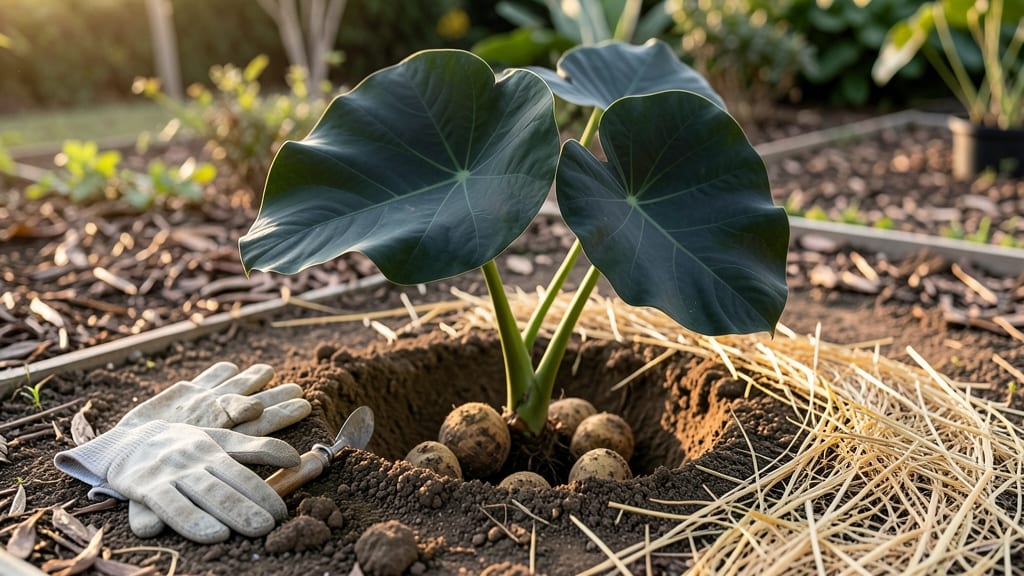
Planting elephant ear bulbs in Texas at the wrong time can mean wilting leaves before they even pop up—so knowing the perfect window is the key to lush, thriving 🌿 foliage all summer long.
Texas gardeners face a unique challenge: tropical plants like elephant ears need warmth to grow, but they also hate the brutal summer heat. The trick is planting them early enough to establish roots before temperatures soar, yet not so early that a late frost catches them off guard.
In most of Texas (zones 8a-10b), the ideal time to plant elephant ear bulbs is March through early April, right after your last frost date. But North Texas and South Texas have different rules—we’ll break down exactly when to dig in for your specific region.
Whether you’re working with tubers or seeds, timing matters. I’ll walk you through the exact steps to give your elephant ears the best shot at surviving Texas summers—and thriving until fall.
Texas hardiness zones & best planting months for elephant ear bulbs
Texas gardeners know timing is everything—especially for tropical plants like elephant ears (Colocasia) that demand precise planting windows to thrive in the Lone Star State’s brutal summers. Unlike hardy perennials, these heat-sensitive tubers need careful scheduling to avoid heat shock or premature dormancy.
With Texas spanning USDA zones 7-11, your planting window can vary by hundreds of miles, from North Texas’s chilly springs to South Texas’s early heat waves.
Elephant ears thrive in zones 8-11, but gardeners in zone 7 face unique challenges. The key is planting after the last frost but before soil temperatures hit 75°F+.
In North Texas (zones 7-8), this means late March to early April, while South Texas (zones 9-11) gardeners can start as early as February—but with shade cloth protection during scorching afternoons.
Here’s your zone-by-zone planting guide, including pre-summer vs. post-summer strategies to keep your elephant ears lush and heat-shock-free:
| USDA Zone | Last Frost Date | Ideal Planting Window | Soil Temp Threshold | Heat Strategy |
|---|---|---|---|---|
| 7a-7b (North TX) | Mid-April | Late April–Early May | 60–65°F | Use black plastic mulch to warm soil faster |
| 8a-8b (Central TX) | Early April | March 15–April 15 | 65–70°F | Plant in partial shade; water deeply twice weekly |
| 9a-9b (East/Central TX) | Late February | February 20–March 30 | 70–75°F | Apply 30% shade cloth during peak heat |
| 10a-10b (South TX) | January 15 | January 30–February 28 | 75–80°F | Plant in full shade; mulch heavily |
| 11 (Deep South TX) | None (tropical) | Year-round (container gardening) | 80°F+ | Use self-watering pots with shade |
For zone 7 gardeners, timing is critical—planting too early risks frost damage, while late planting exposes tubers to intense summer heat. My trick? Start tubers indoors in biodegradable pots 6 weeks before your last frost date, then transplant after soil warms to 60°F+.
This gives your elephant ears a 3-week head start before Texas’s merciless sun peaks.
In zones 8-9, focus on pre-summer planting (March) to beat the heat. These zones offer the best balance of mild springs and manageable summers. I’ve found that ‘Black Magic’ and ‘Illustrious’ varieties handle 90°F+ days better than others, but even they need daily afternoon shade during July and August.
Pro tip: Soak tubers in water for 24 hours before planting to jumpstart growth in these warmer zones.
South Texas (zones 10-11) gardeners have a unique advantage: year-round growing potential. However, elephant ears still need strategic timing to avoid heat stress. Plant in late winter (January–February)
How to time elephant ear planting for Texas’s extreme heat: soil temp & moisture secrets
Texas summers can push 100°F+ temperatures, making soil temperature and moisture management critical for elephant ear success. These tropical plants need warm soil (minimum 65°F) to thrive, but overheating can shock delicate tubers.
Timing your planting to align with soil warmth and rainfall patterns is the key to avoiding wilting before roots establish.
Most Texas gardeners plant elephant ear bulbs in late March to early April, but soil conditions vary dramatically from North Texas (where nights stay cool longer) to South Texas (where ground heats up faster).
In Zone 8a, wait until after April 15—when soil temps consistently hit 70°F+—while Zone 10b gardeners can plant as early as mid-February if soil is already warm.
⚠️ callout-warning ⚠️
Elephant ear bulbs rot in cold soil below 60°F. Even if air temps warm, soil stays cooler—use a soil thermometer to confirm 65°F+ depth before planting. North Texas gardeners: Wait for mid-April; South Texas can plant 2-3 weeks earlier.
🌡️ Pro Tip: Soak bulbs in lukewarm water for 24 hours before planting to jumpstart root growth in hot conditions.
To retain moisture in Texas’s drying winds, amend soil with 30% compost and a 2-inch mulch layer of pine straw or shredded bark. This mimics their tropical habitat while preventing bulb dehydration.
I’ve seen elephant ears in San Antonio survive 110°F heatwaves because their roots stayed consistently moist—not soggy, but never bone-dry.
Watering strategy is just as critical as timing. Deep watering 2-3x weekly (not light sprinkles) encourages root expansion into cooler soil layers. In East Texas, morning watering at 6 AM reduces fungal pressure, while West Texas gardeners should water at dusk to minimize evaporation.
Always check 1 inch of soil—if it’s dry, water again.
For container-grown elephant ears, use terracotta pots (they breathe better) and add hydrogel crystals to the planting mix. These retain 4x more moisture than regular soil, which is a game-changer during August heatwaves.
I’ve kept potted elephant ears thriving in Houston balconies by watering every 3 days and moving them to shadier spots after 12 PM.
Remember, elephant ears are seasonal performers—they’ll bolt or wilt if stressed by heat or drought. By mastering soil temp, moisture retention, and watering discipline, you’ll enjoy lush foliage from May through October—even in Texas’s harshest summers. 🌿