
Flowers
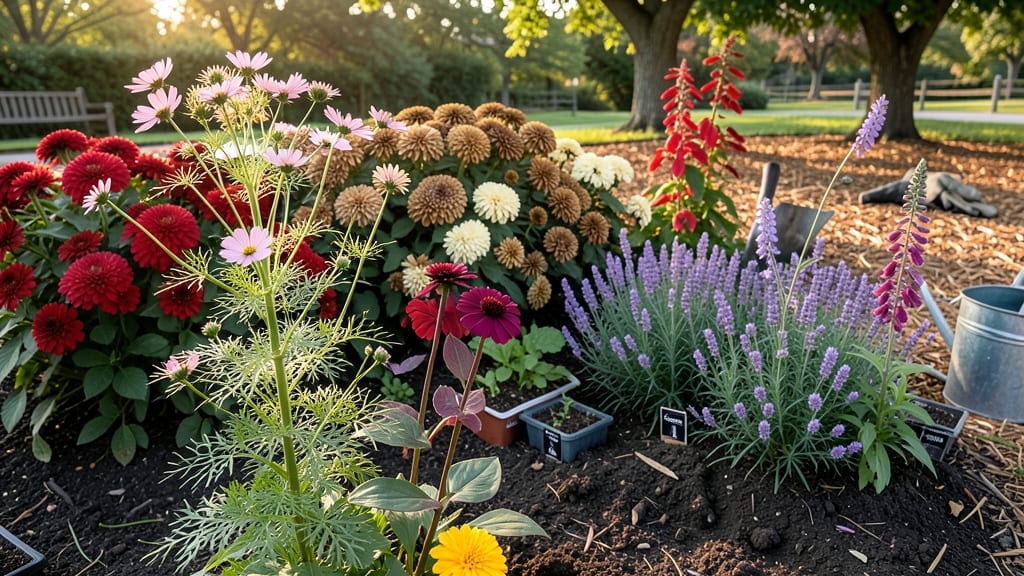
Planting Fall Flowers in Georgia isn’t just about timing—it’s about unlocking a burst of color that lasts until frost. With the right schedule, you can transform your yard into a vibrant 🌼 haven, but get it wrong, and you’ll end up with wilted blooms before winter even arrives.
Most gardeners in zones 7b-8b know the general rule: mid-August to October is prime planting season. But here’s the catch—Georgia’s 159 counties don’t all follow the same rhythm.
North Georgia’s cooler air means you might plant chrysanthemums in early September, while South Georgia’s warmer climate could extend your window into early October.
I’ve tested these strategies over the years, and the difference between a garden that thrives and one that struggles often comes down to one key factor: understanding your local microclimate.
Whether you’re in Atlanta’s urban heat islands or the rural hills of the Appalachians, small adjustments can mean the difference between stunning blooms and disappointment.
Ready to dive in? I’ll walk you through the exact dates, soil prep secrets, and frost-proofing tips that’ll keep your Fall Flowers looking their best—no guesswork required.
Georgia county-specific planting dates for fall flowers by region
Georgia’s diverse climate zones mean your fall planting window can vary by hundreds of miles. While North Georgia’s cooler mountains may see frost by early October, South Georgia’s warmer coastal plains can extend blooms until December. Understanding these regional differences ensures your chrysanthemums, pansies, and salvias thrive.
For North Georgia counties like Fannin, Gilmer, and Dawson (USDA zones 6b-7a), aim to plant late August to mid-September. These areas experience earlier frosts and cooler soil temperatures, so rushing your schedule risks stunted growth or frost damage.
In contrast, South Georgia’s Camden, Lowndes, and Thomas counties (zones 8a-8b) can safely plant until mid-October.
Central Georgia—think Athens, Macon, and Warner Robins—falls in the transition zone (7b-8a). Here, early September to early October works best, with soil temperatures dropping below 60°F by late October.
Always check your local frost dates (typically mid-November in most areas) and plant 6-8 weeks before the first expected frost for full-season blooms.
Elevation plays a critical role. In mountain counties like Rabun or Habersham, plant 2-3 weeks earlier than the suggested dates.
These areas can see frost as early as October 1st, while lowland counties like Bulloch or Screven may delay planting until mid-October without risk. Soil conditions also matter—clay-heavy soils in Central Georgia drain poorly, so amend with compost or sand before planting.
Popular fall flowers have unique timing needs. Chrysanthemums (mums) love cool weather and should go in late August to early September across most regions. Pansies, which tolerate light frost, can wait until mid-September in North Georgia or early October in the South. Salvias, like Salvia nemorosa, prefer early fall planting (August) to establish roots before winter.
Here’s a county-specific planting guide to simplify your planning:
For container gardening, extend your planting window by 2-3 weeks. Pots warm up faster than soil, so move containers to shadier spots or use lightweight row covers if frost threatens. Soil temperature is your best guide—wait until it drops below 80°F (ideal range: 60-70°F)
How to adjust planting timing based on Georgia’s fall weather patterns
Georgia’s fall weather shifts quickly, and planting your fall flowers at the wrong time can leave you with leggy plants or frost-damaged blooms. The key is reading soil temperatures, frost dates, and rainfall trends to fine-tune your schedule.
For example, North Georgia’s cooler microclimates (like Blue Ridge) need earlier plantings than South Georgia’s warmer zones (like Savannah).
Start by checking your local frost dates—most of Georgia sees its first frost between mid-November and early December. To maximize blooms, plant 6-8 weeks before frost, which typically lands in early to mid-September for most regions.
However, this window can shift 1-2 weeks earlier in mountainous areas or 1-2 weeks later near the coast.
⚠️ callout-warning ⚠️
Planting too early: Summer heat stresses seedlings; wait until soil temps drop below 85°F (usually late August).
Planting too late: Late September plantings may not bloom before frost; aim for early September in most zones.
Ignoring rainfall: Heavy September rains can drown seeds; adjust watering or use raised beds.
Skipping soil prep: Test pH (6.0-7.0) and amend with compost—poor soil = weak roots.
🌱 Pro Tip: Use mulch to regulate soil temps and retain moisture after planting.
Soil temperature is your next clue. Most fall flowers thrive when soil stays between 60°F and 75°F. Use a soil thermometer to check—if temps hover above 80°F, delay planting until late August.
Cooler soils (below 55°F) can stunt root growth, so avoid planting in early October unless you’re in South Georgia’s warmer zones.
Rainfall patterns also play a role. Georgia’s September showers can create soggy soil, while October droughts (common in Central Georgia) may dry out seedlings. Monitor your local 10-day forecast—if heavy rain is predicted, plant container-grown flowers instead of seeds to avoid waterlogged soil.
For drought-prone areas, choose drought-tolerant varieties like salvia or black-eyed Susans.
Extend your bloom season by layering plantings. Start with longer-season flowers like chrysanthemums (plant in early September) and follow with shorter-season pansies (plant in mid-to-late September).
This staggered approach ensures continuous color from October through November. Just remember: pansies can handle light frosts, while mums need warmer temps to thrive.
Finally, watch for unexpected cold snaps. Even if frost isn’t predicted, temperatures dipping below 32°F can damage tender blooms. Use row covers or lightweight frost cloth for late-season plantings, especially in North Georgia’s higher elevations.
With these adjustments, you’ll turn Georgia’s fall weather patterns into your garden’s advantage—vibrant blooms and minimal stress! 🌿