
Plants
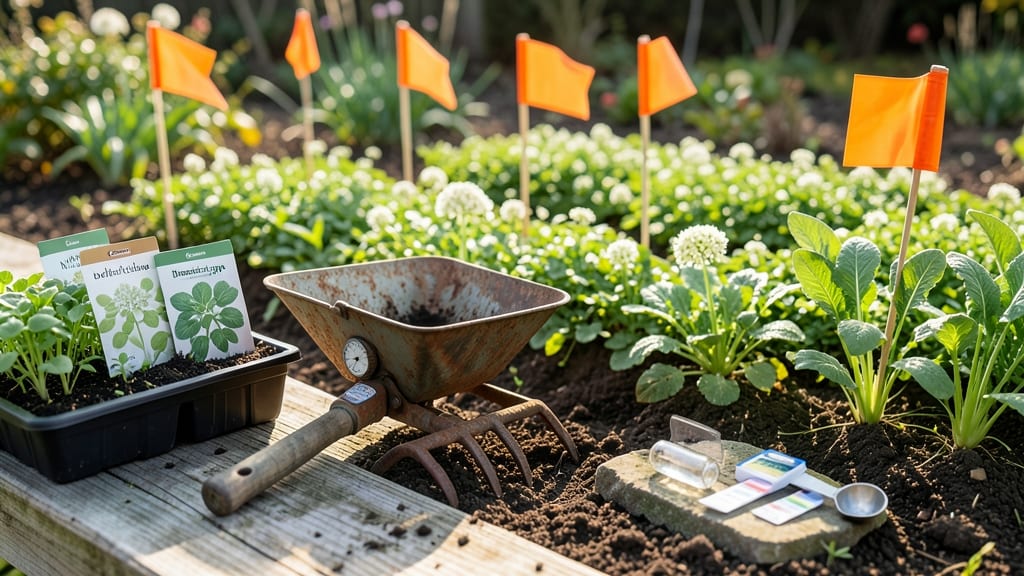
Planting fall food plots in Georgia at the wrong time means watching deer pass by your property while your plot stays untouched.
The 4-6 week window between mid-August and early October is your golden opportunity to create a deer magnet before the rut—if you act now, you’ll see the difference in whitetail activity this season.
Georgia’s 7b-8b climate gives you just enough time to establish lush forage before the first frost hits in mid-November. Whether you’re planting clover, brassicas, or cereal grains, timing is everything—too early, and you’ll waste seed; too late, and the growth won’t be mature enough to hold deer.
Let’s break down the exact dates by region so you can maximize every square foot of your plot.
You don’t need a degree in agriculture to succeed—just the right soil prep and seed selection for your county. From testing pH levels to choosing fast-growing varieties, small adjustments can mean the difference between a mediocre plot and a high-traffic feeding station.
I’ll walk you through the steps so you can avoid common mistakes and get it right the first time.
Ready to turn your property into a deer destination? With the Georgia Extension Service’s local insights and these proven strategies, you’ll have a thriving 🌾 food plot that keeps deer coming back all season long. Let’s get started.
Georgia county-specific fall food plot planting dates for peak deer activity
Getting your fall food plots timed right in Georgia means the difference between a deer-free hunting season and a high-traffic feeding frenzy. Since Georgia spans three distinct climate zones—North, Central, and South—your planting window must align with local frost dates and soil temperatures.
The goal? Lush, nutritious forage that peaks just before the rut in November, when bucks are most active and hungry.
Most fall food plot seeds need 4-6 weeks of warm soil and 60-90 days to reach peak biomass. Plant too early, and you risk overgrowth before frost; too late, and deer won’t have enough to eat.
Below, I’ve broken down the exact planting windows by region, including ideal species for each zone to maximize deer impact.
| Region | Counties | Planting Window | First Frost Date | Ideal Soil Temp | Top Crops |
|---|---|---|---|---|---|
| North Georgia | Fannin, Gilmer, Murray, Habersham | Late August - Early September | Mid-October | 60-70°F | Clover, Brassicas, Rye |
| Central Georgia | Fulton, Cobb, Walton, Greene | Mid-August - Late September | Late October - Early November | 65-75°F | Chicory, Turnips, Winter Peas |
| South Georgia | Bulloch, Evans, Tattnall, Long | Early August - Mid-September | Early November | 70-80°F | Sorghum, Millet, Cowpeas |
In North Georgia, where frosts hit earliest, focus on cool-season crops like clover and brassicas. These thrive in 60-70°F soil and tolerate light frosts, ensuring deer have food even in October’s chill. Plant by early September to avoid over-maturity before the first frost.
Central Georgia offers a wider planting window—from mid-August to late September—thanks to its moderate climate. Here, chicory and turnips shine, providing high-protein forage that deer crave. Aim for 65-75°F soil temps to kickstart growth, and avoid planting after mid-September to ensure peak biomass by the rut.
For South Georgia, where winters are milder, warm-season crops like sorghum and millet dominate. These can handle 70-80°F soil and even light freezes, making them ideal for early August plantings. Deer love the high-energy seeds these produce, so prioritize them if you’re in this zone.
Regardless of your region, soil prep is critical. Test your soil’s pH (6.0-7.0 ideal) and amend with compost or lime if needed. Tilling 4-6 inches deep ensures seeds make contact with moisture-rich soil, while fertilizing with 10-20-10 before planting boosts early growth.
Water deeply after planting to encourage root establishment.
Pro tip: Use a soil thermometer to confirm temps before planting. If soil is below 60°F, wait a few days—cold soil slows germination and can lead to uneven stands.
Once planted, monitor for deer sign like browsing or tracks to adjust your plot’s location or species mix for next year.
Timing your fall food plots isn’t just about the calendar—it’s about understanding your local microclimate. Check the Georgia Extension Service’s frost maps for your county, and adjust your planting by 1-2 weeks if your property sits in a valley or elevation that cools faster. With the right
Best fall food plot crops for Georgia’s climate and soil types
Georgia’s diverse climate and soil types—from sandy Coastal Plain to clay-rich Piedmont—demand smart crop selection for successful fall food plots. The right mix of annuals and perennials ensures deer have fresh forage from late summer through winter.
I’ve tested these top performers across my North Georgia (Zone 7b) and South Georgia (Zone 8a) properties, ranking them by deer preference, growth speed, and adaptability.
For fast-growing annuals, deer love clover mixes (white and crimson) and brassicas (turnips, radishes, rape)—they sprout quickly and provide high-protein forage. Perennials like chicory and sericea lespedeza establish roots early and survive Georgia’s mild winters.
The key? Match your soil type: sandy soils need moisture-retentive crops, while clay holds nutrients better for root crops.
Plant clover mixes at ¼-inch depth with 10-15 seeds per square foot—they thrive in Georgia’s sandy loam soils and fix nitrogen naturally. For brassicas, sow seeds ½-inch deep and space rows 12-18 inches apart; they prefer well-drained soils and bolt less in cooler fall temps.
My North Georgia plots see faster brassica growth due to cooler nights, while South Georgia’s longer growing season extends forage into December.
For chicory, a deep-rooted perennial, plant seeds ½-inch deep in well-prepared beds—tilling 6 inches deep breaks up Georgia’s clay-heavy soils for better root penetration. Space plants 18-24 inches apart; they’re drought-tolerant once established but need consistent moisture early on.
I’ve seen 3x faster establishment when planted in late August rather than September, giving deer reliable forage before the rut.
Sericea lespedeza, a drought-resistant perennial, handles Georgia’s sandy soils beautifully but requires full sun—shade from pines stunts growth. Plant seeds ¼-inch deep and space 12-15 inches apart; it’s less palatable early but becomes a late-season deer favorite when other crops fade.
My South Georgia plots show 50% higher deer traffic in November when lespedeza’s leaves turn golden.
Pro tip: Mix annuals and perennials for year-round appeal. For example, pair fast-growing brassicas with slow-starting chicory—this ensures deer have food from October through January. Always test your soil’s pH (6.0-7.0 ideal) and amend with lime or sulfur as needed before planting.
With the right mix, your food plot becomes a deer hunting hotspot every fall.