
Planting
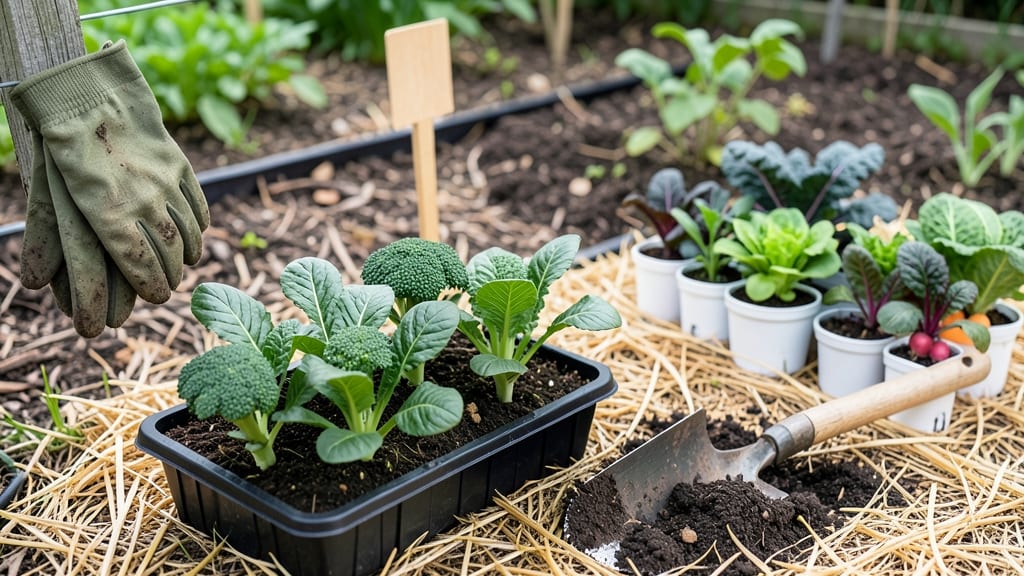
Planting a fall garden in Alabama can feel like a high-stakes game of timing—get it right, and you’ll enjoy fresh 🥬 harvests through December; mess it up, and you might end up with bolted greens or frost-damaged crops.
Unlike northern gardens, Alabama’s warm climate means you’ve got a shorter window—just 6-8 weeks—to plant cool-season crops before the first frost hits. That’s why knowing your county’s exact deadlines is the key to success, especially when dealing with heat-sensitive veggies like lettuce or spinach.
In this guide, I’ll break down the critical planting dates by region, so you can avoid common mistakes like planting too early (and watching your crops wilt in September heat) or too late (and risking a November freeze).
Whether you’re in North Alabama’s cooler zones or the Gulf Coast’s milder climate, these deadlines will help you plan like a pro.
Ready to extend your harvest season? Let’s dive into the exact dates—and crops—to plant for a thriving Alabama fall garden that lasts until Christmas.
Alabama fall planting deadlines by county: avoid frost and heat stress
Alabama’s fall garden thrives when you plant at the right time—too early, and your leafy greens bolt in the heat; too late, and frost ruins your harvest. The key is understanding your county’s last planting deadline, which varies by USDA zone and microclimate.
North Alabama’s cooler temps (USDA zones 6b-7a) allow later plantings than the Gulf Coast’s warmer zones (7b-8b). Urban areas also run 2-3°F warmer than rural zones, delaying frost by 1-2 weeks.
For zero-frost crops like lettuce, spinach, and kale, aim to plant 4-6 weeks before your county’s first frost date. In North Alabama (e.g., Madison, Jackson, Marshall counties), this means starting by mid-August for a November harvest.
Along the Gulf Coast (e.g., Mobile, Baldwin, Escambia), you can push deadlines to late September due to milder winters. Always check your local extension office for updates, as frost dates shift yearly.
Here’s your county-by-county breakdown of last planting deadlines for cool-season crops, adjusted for urban vs. rural microclimates. Use this as your fall planting checklist to avoid heat stress or frost damage.
| Region | Counties | USDA Zone | Last Planting Deadline (Rural) | Last Planting Deadline (Urban) | First Frost Date |
|---|---|---|---|---|---|
| North Alabama | Madison, Jackson, Marshall | 6b-7a | August 15 | August 22 | November 1 |
| Limestone, Lawrence, Morgan | 7a | August 20 | August 28 | October 31 | |
| Cullman, DeKalb, Etowah | 7a-7b | August 25 | September 2 | November 10 | |
| Blount, Jefferson, Shelby | 7b | September 1 | September 8 | November 15 | |
| Central Alabama | Autauga, Elmore, Talladega | 7b-8a | September 5 | September 12 | November 20 |
| Montgomery, Pike, Tuscaloosa | 8a | September 10 | September 18 |
Best zero-frost crops for Alabama’s fall garden and their ideal planting windowsAlabama’s fall garden thrives when you choose heat-tolerant and fast-maturing crops that outpace frost. Unlike spring planting, fall offers a longer growing window—typically from mid-August to mid-October—but requires precise timing to avoid heat stress or early frost damage. The key is selecting varieties that mature before November 15, Alabama’s average first frost date, while still benefiting from cooler temperatures. For zero-frost success, prioritize crops with 30–60 days to maturity and moderate frost tolerance. Leafy greens like collard greens and Swiss chard handle light frosts, while root crops such as radishes and carrots bolt if planted too early. Herbs like cilantro and dill also thrive in fall, provided you sow them 6–8 weeks before frost. To extend harvests until December, use succession planting for fast growers like radishes and turnips. Sow seeds every 10–14 days after your initial planting to ensure a continuous supply. For example, plant radishes on September 1, 15, and 30 to harvest in late September, October, and November respectively. Herbs like cilantro and dill are fall garden staples because they bolt in heat but thrive in cooler weather. Direct-sow cilantro in late August to early September for a flavorful harvest before frost. Pair it with bush beans, which mature quickly and add nitrogen to the soil, benefiting subsequent plantings. For heat-tolerant greens, try Malabar spinach or Southern cowpeas. These varieties handle 90°F+ temperatures better than traditional spinach and can be planted as late as early October in South Alabama. Mulch with straw or leaves to regulate soil temperature and retain moisture during fall’s fluctuating weather. Pro tip: Use row covers for frost-sensitive crops like broccoli if temperatures dip below 32°F. Lightweight fabric extends harvests by 2–3 weeks and protects against light frosts while allowing sunlight and water to pass through. Pair this with drip irrigation to maintain consistent moisture without wetting foliage, reducing disease risk. |