
Vegetables
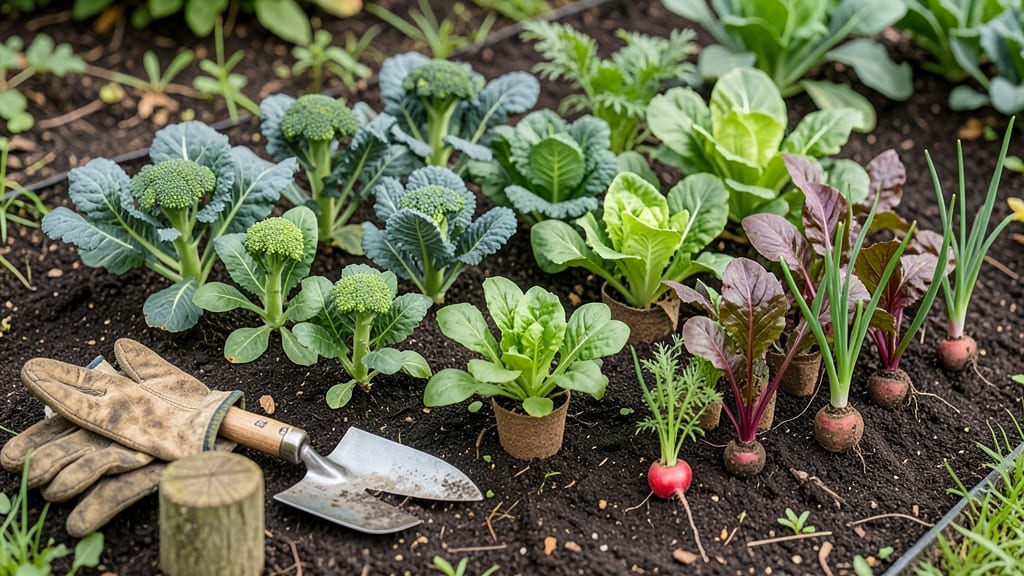
Planting your fall vegetables 🥬 at the right time in Ohio isn’t just about luck—it’s the difference between a harvest that lasts through crisp October mornings and wasted seeds rotting in the cold.
The key window opens in mid-August and closes by mid-September, but missing these deadlines means your greens and roots won’t mature before the first frost hits around October 20.
I’ve learned the hard way that Ohio’s Zone 6a climate demands precision: too early, and your plants bolt in the heat; too late, and they’ll never recover. The solution? A 4-6 week countdown to frost, paired with the right varieties like kale, spinach, and carrots that thrive in cooler weather.
Let’s break down exactly when to plant each type—and how to stretch your harvest until winter.
Most gardeners overlook soil temperature, but in Ohio, waiting until the ground cools below 80°F makes all the difference. I’ll show you how to prep your beds, choose fast-maturing crops, and even use row covers to sneak in a few extra weeks of growing.
Skip the guesswork and get the exact schedule tailored for Ohio’s short fall season.
By the end, you’ll know not just when to plant, but why those dates matter—and how to troubleshoot common mistakes that derail fall gardens. Ready to turn your Ohio garden into a late-season treasure trove?
Ohio fall planting deadlines by vegetable type (zone 5-6)
Ohio’s first frost typically arrives between October 15–November 15, so timing your fall vegetable plantings is critical. The key is to sow seeds or transplant seedlings 4–8 weeks before frost, depending on the crop’s maturity timeline.
Heat-tolerant varieties like bush beans can handle late starts, while cool-season greens need early attention to thrive before winter sets in.
For direct-sown crops, start seeds indoors or outdoors 4–6 weeks before your target transplant date. Transplants (like broccoli or cabbage) should go into the ground 3–4 weeks before frost to ensure they mature before cold snaps.
Always check seed packets for days to harvest—this is your golden rule for Ohio’s short fall season.
Ohio’s frost-free window shrinks fast after Labor Day, so prioritize fast-growing varieties. Leafy greens (spinach, lettuce) can handle light frosts, while root crops (carrots, beets) need consistent warmth. Use this fall planting chart to map out your last-chance deadlines by crop type.
If you’re starting from seed, prioritize fast-maturing varieties like radishes (25 days) or lettuce (30 days).
For transplants, broccoli and cabbage need 50–65 days, so plant them by mid-September at the latest. Root crops like carrots and beets take longer (60–80 days), so begin sowing in mid-July for a fall harvest.
Ohio’s microclimates can shift frost dates by 1–2 weeks, so monitor local forecasts. Urban areas often frost earlier than rural zones, so err on the side of earlier plantings if you’re in a city.
Use row covers or black plastic mulch to extend the season by 2–3 weeks for heat-loving crops like beans.
For succession planting, stagger sowings every 2 weeks for crops like lettuce or spinach. This ensures a continuous harvest until frost. Always water deeply before planting to help roots establish, and mulch with straw to retain soil warmth and moisture as temperatures drop.
Missed a
How to extend your Ohio fall harvest with succession planting
Succession planting is your secret weapon for a never-ending Ohio fall harvest. Instead of planting everything at once, you stagger your sowings every 1-2 weeks to ensure fresh produce from September through November.
This works especially well for leafy greens, radishes, and turnips, which thrive in cooler weather but mature quickly. The key? Match your planting schedule to Ohio’s 4-6 week harvest window before the first frost.
Ohio’s microclimates add another layer—urban areas like Columbus often frost 1-2 weeks earlier than rural spots near the Appalachians. Use local frost date data (aim for October 15-November 15) and adjust your timeline accordingly.
For example, if your first frost is November 1, start your last succession planting by October 15 to guarantee a harvest before the ground freezes.
For best results, focus on crops with short maturity times (under 50 days). Radishes (25-30 days) and baby spinach (30-40 days) are perfect for quick succession plantings. Space your sowings 10-14 days apart to create a rolling harvest.
For example, plant a row of spinach on August 20, another on August 30, and a final one on September 10—this ensures you’re harvesting fresh greens every 2 weeks until frost.
Ohio’s soil temperature drops faster in fall, so pre-warm beds with black plastic mulch 1-2 weeks before planting. This extends the growing season by 7-10 days and helps root crops like carrots and beets establish faster.
Test your soil’s temperature with a soil thermometer—ideal planting temps for fall crops are 50-75°F. If it’s cooler than 50°F, wait or use a cold frame for faster germination.
Don’t forget to thin seedlings properly to avoid competition. For example, carrots should be thinned to 2-3 inches apart, while lettuce needs 8-12 inches of space. Use the thinned greens in salads or compost them to reduce waste.
By thinning early, you’ll give remaining plants room to bolster their roots and produce larger, sweeter harvests—critical for Ohio’s shorter fall window.
With succession planting, you’ll turn Ohio’s fall into a continuous harvest festival. Start with heat-loving crops, transition to cool-season favorites, and use microclimate tweaks to push your garden’s limits.
Before you know it, you’ll be enjoying homegrown kale chips and fresh salads long after your neighbors’ gardens have gone dormant. 🌱