
Planting
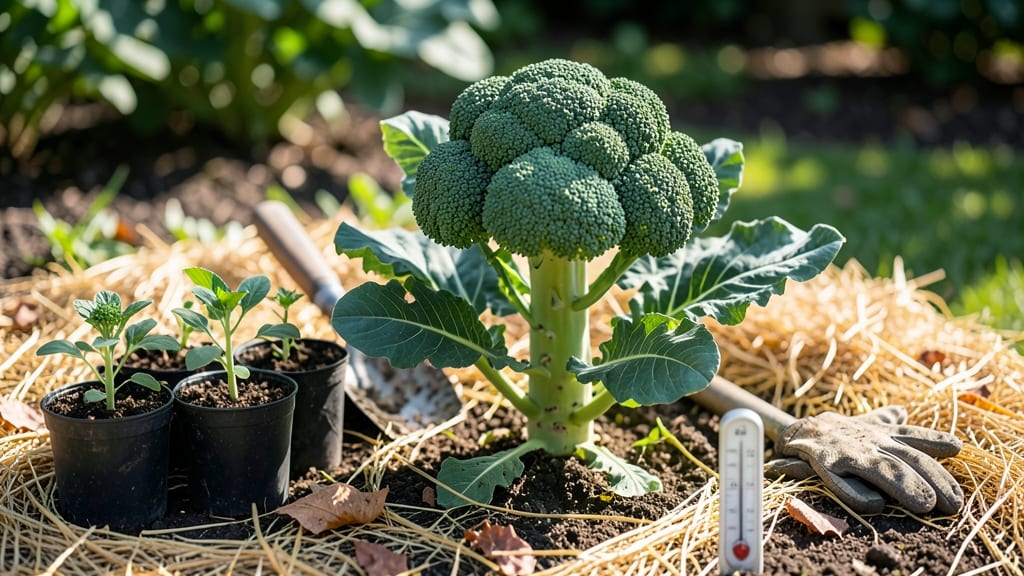
Planting a fall garden in North Carolina isn't just about timing—it's about catching that sweet spot between sweltering summer and early frost. If you wait too long, your greens bolt; too soon, and heat stress stunts growth.
The key lies in understanding NC's unique Heat Zones 7a-8b, where cooler nights and milder days create ideal conditions for root crops, leafy greens, and brassicas.
I’ve spent years perfecting my fall planting schedule, and the difference between a thriving harvest and a failed attempt often comes down to soil temperature and frost dates.
Whether you're a first-time gardener or a seasoned grower, knowing exactly when to sow each crop—from broccoli to spinach—can mean the difference between a bountiful table and wasted effort.
In this guide, I’ll break down the optimal planting windows for NC’s climate, including when to prep your soil and which varieties perform best.
We’ll also cover how to extend your growing season with simple tricks like row covers and succession planting, so you can enjoy fresh produce well into winter.
Ready to transform your backyard into a fall harvest goldmine? Let’s dive into the exact steps—no guesswork, just results—to make your garden flourish when it matters most.
North Carolina fall planting calendar by heat Zone (7a-8b) for maximum yield
North Carolina’s Heat Zones 7a-8b offer a unique advantage for fall gardening, with extended growing seasons that can produce bountiful harvests of cool-season crops. The key is planting at the right time—when soil temperatures drop below 85°F but before the first frost, typically between late July and mid-October.
This window ensures your root crops, leafy greens, and brassicas thrive without heat stress or premature freezing.
For Zone 7a (average first frost: November 15), you have a slightly longer window than Zone 8b (average first frost: December 1). However, both zones benefit from a month-by-month planting strategy that aligns with soil temperature thresholds and crop maturity dates.
Let’s break it down to maximize your yield.
Soil temperature is your best guide—most cool-season crops prefer soil between 45°F and 75°F. Use a soil thermometer to check before planting. For root crops like carrots and turnips, aim for 60°F-70°F soil. For leafy greens like spinach and kale, cooler soil (50°F-60°F) is ideal once seedlings are established.
First frost dates vary slightly across NC, but these averages will help you plan:
- Zone 7a: First frost November 15 (10% chance before November 1)
- Zone 8b: First frost December 1 (10% chance before November 15)
| Month | Plant | Soil Temp (°F) | Days to Harvest | Notes |
|---|---|---|---|---|
| Late July | Radishes, Turnips, Carrots | 60-70°F | 30-50 days | Fast growers; succession plant every 2 weeks |
| Early August | Broccoli, Kale, Spinach | 55-65°F | 50-70 days | Start indoors or buy transplants |
| Mid-August | Carrots, Beets, Lettuce | 60-70°F | 45-60 days | Avoid bolting with shade cloth if hot |
| Late August | Brussels Sprouts, Cabbage | 50-60°F | 80-100 days | Slow growers; plant early varieties |
| September | Spinach, Arugula, Radishes | 45-55°F | 30-50 days | Direct sow after soil cools |
| October | Garlic, Onions, Peas | 40-50°F | 90-120 days | Plant before ground freezes |
In late July, focus on fast-growing crops
Best fall garden vegetables for NC’s climate and how to extend their season
North Carolina’s fall garden thrives when you choose the right cold-hardy vegetables that love cool temperatures but hate early frost. My top 10 picks—like broccoli, kale, and radishes—grow beautifully in NC’s Heat Zones 7a-8b when planted at the perfect time.
These varieties not only survive but thrive until winter, giving you fresh harvests long after summer crops fade.
To extend the season, I rely on three key strategies: row covers for light frost protection, cold frames for hardier greens, and succession planting to keep the harvest rolling.
For example, spinach and carrots planted in late August can last until December with minimal protection, while turnips and beets reward patience with sweeter flavors after frost.
How to Extend Your NC Fall Garden Season
- 🌱 Plant in late August-September for most cool-season crops. This timing avoids heat stress while maximizing growth before frost.
- 🌡️ Use row covers (like frost blankets) to protect leafy greens from 28°F temps. They trap warmth without blocking sunlight.
- ✂️ Harvest outer leaves of kale and collards to encourage regrowth. This extends harvests by 4-6 weeks past their usual lifespan.
- 🪴 Build cold frames for hardy root crops like carrots and radishes. A simple Plexiglas box can add 10-15°F of protection.
- 🌿 Succession plant every 2 weeks for fast growers like radishes (30 days) and bush beans (50 days). This ensures continuous harvests.
- 💧 Water deeply before frost to hydrate soil. Dry soil freezes faster, damaging roots. Aim for 1 inch per week in fall.
- 🌱 Choose varieties labeled "winter-hardy", like 'Winterbor' kale or 'Nantes' carrots. These tolerate 20°F+ temps with protection.
Spacing is critical for fall success. Crowded plants compete for nutrients and sunlight, stunting growth. For example, broccoli needs 18-24 inches apart, while radishes can thrive in tight rows (2 inches apart). Always check seed packets for mature plant size—overcrowding invites disease and reduces yields.
Yield expectations vary by crop. Leafy greens like spinach and lettuce produce 1-2 lbs per plant in 40-50 days, while broccoli delivers 2-3 heads per plant in 60-70 days. Root crops like carrots and beets give 10-15 edible roots per square foot if spaced correctly.
My 2023 fall garden yielded 30 lbs of kale and 25 lbs of carrots using these spacing guidelines.
Don’t overlook herbs like cilantro and parsley—they’re frost-tolerant and add flavor to winter dishes. Plant them alongside lettuce and radishes for a compact, high-yield bed. Just remember: parsley bolts in heat, so plant it in late September for best results.
With the right fall vegetables, protection strategies, and spacing, your NC garden can keep producing until Christmas—and beyond! Start with my top 10 list, then experiment with cold frames or hoop houses for even longer harvests. Your winter table will thank you! 🌿