
Plants
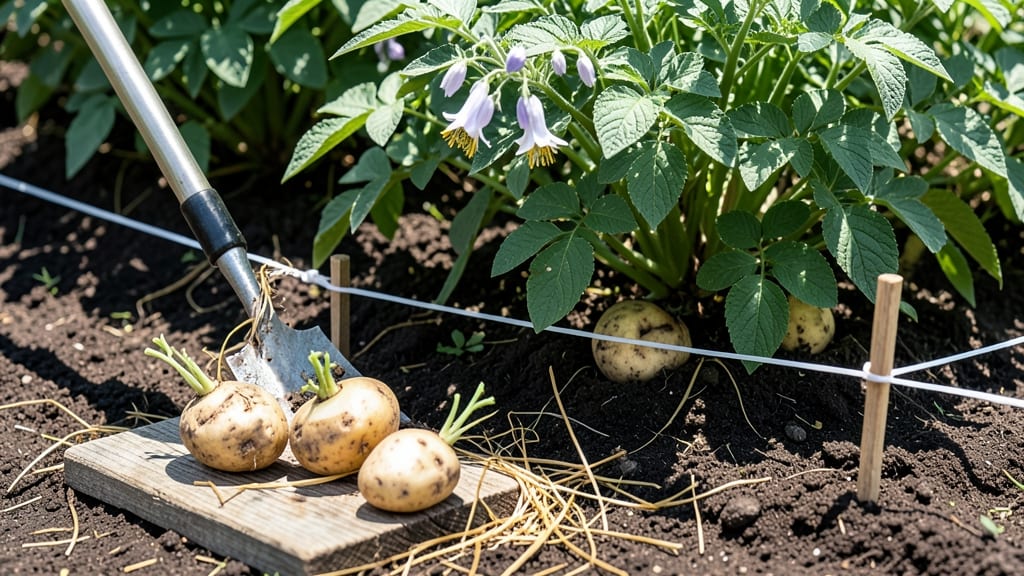
Planting fall potatoes in Texas isn't just about dropping seed potatoes into the dirt—it's about outsmarting the heat and frost to guarantee a harvest that lasts through the holidays.
The key window runs from late August to early October, but timing varies wildly between North Texas's chilly winters and South Texas's near-frost-free zones.
If you plant too early, your 🥔 potatoes bolt in the summer heat; too late, and frost ruins your crop before Thanksgiving.
I've grown potatoes in 8a-10b zones for years, and the difference between a zero-frost harvest and a failed attempt comes down to these exact deadlines—and a few pro tricks I'll share.
Whether you're in North Texas's 7b-8a or South Texas's 9a-10b, the right variety and planting schedule can turn your garden into a spud-producing machine. Let me walk you through the exact steps to time it perfectly, from soil prep to harvest.
You'll learn which varieties handle Texas's extremes best, how to stretch your growing season with mulch, and when to pull those tubers for the crispest, most flavorful potatoes of the year. Ready to master the Texas fall potato?
Texas heat zone deadlines: exact planting windows by region
Texas’s extreme heat and variable frost dates make timing critical for fall potatoes. Plant too early, and your tubers bolt in 100°F+ soil; too late, and frost ruins your harvest. The key is 4-6 weeks before first frost, but exact dates vary by USDA zone and microclimate.
Let’s break down the precise windows for zones 7-11 to ensure zero-frost spuds by Thanksgiving.
Texas spans USDA zones 7-11, with North Texas (7b-8a) facing early frosts, Central Texas (8a-8b) enjoying mild winters, and South Texas (9a-10b) rarely seeing frost. Each zone has a unique heat-frost balance that dictates planting.
For example, Zone 7b gardeners must plant by mid-August to avoid summer stress, while Zone 10b can extend planting until early October. Use these deadlines to align with your local last frost date and soil temperature thresholds.
Here’s how to calculate your personal planting window: Subtract 90 days (minimum harvest time) from your first frost date, then adjust for soil temps above 85°F, which stunt growth. For instance, if your frost hits November 15, plant by August 15.
In South Texas, where frost is rare, focus on avoiding summer heat by planting in late August–September.
For Zone 7b-8a, prioritize late August planting to avoid summer heat stress. Use black plastic mulch to warm soil quickly and row covers to shield from late-season heat spikes.
In Central Texas (8a-8b), aim for early September to balance heat and frost risk. South Texas (9a-10b) gardeners can push planting to mid-October, but monitor soil temps—above 80°F slows tuber formation.
Pro tip: Test your soil temperature before planting. Use a soil thermometer to confirm temps are below 85°F (ideal: 60-75°F). In North Texas, where soil can stay hot into September, plant shallow (2-3 inches deep) to cool roots faster.
In South Texas, where frost is rare, focus on shade during peak afternoon heat (3–5 PM) to prevent tuber scorch.
Adjust for microclimates—hilltops freeze faster than valleys, and urban areas stay 5-10°F warmer than rural zones. If you’re near Lake Travis or the Gulf Coast, you may have 2
Fall potato varieties that thrive in Texas heat and frost
Texas’s extreme heat and unpredictable frost demand smart potato variety choices. Heat-tolerant types like Red Lasoda handle August planting, while cold-hardy Yukon Golds shine in October. Each variety has unique storage potential—some last months in cool cellars, others need quick use.
Let’s break down the best options for your region’s USDA zone and microclimate quirks.
For North Texas (Zones 7b-8a), prioritize early-maturing varieties like Red Pontiac (70 days) to escape frost by December. In Central Texas (Zones 8a-8b), Purple Majesty thrives with its vibrant color and disease resistance.
South Texas (Zones 9a-10b) gardeners can stretch harvests with longer-season types like Kennebec, which tolerate humidity better than others.
🌱 Heat-Tolerant Varieties (Plant August-September)
| Variety | Pros | Cons |
|---|---|---|
| Red Lasoda | Early (70 days), heat-resistant, stores 3 months | Prone to scab in wet soil |
| Red Pontiac | Disease-resistant, great for North Texas | Short storage (2 months) |
❄️ Cold-Hardy Varieties (Plant September-October)
| Variety | Pros | Cons |
|---|---|---|
| Yukon Gold | Buttery texture, stores 5 months | Needs consistent moisture |
| Purple Majesty | Antioxidant-rich, frost-tolerant | Skin bruises easily |
Texas’s clay-heavy soils can stress potatoes, so amend beds with compost and sand for drainage. Yukon Gold, for example, needs well-draining soil to avoid rotting tubers. Meanwhile, Red Lasoda tolerates slightly poorer soil but still benefits from organic matter.
Always plant seed potatoes (not grocery store spuds) to avoid diseases like verticillium wilt, common in Texas heat.
Storage is where variety choices pay off. Yukon Gold and Kennebec store for 4-5 months in cool (40-50°F), dark conditions, while Red Pontiac spoils faster. Cure new harvests for 1-2 weeks in warm (55-60°F), humid conditions (like a garage) to toughen skins and extend shelf life.
Skip this step, and tubers rot faster in Texas’s humid winters.
Pro tip: Use black plastic mulch in August plantings to warm soil and speed germination. For October plantings, add straw mulch to insulate roots from early frosts.
Texas’s microclimates mean your neighbor’s perfect harvest might fail in your yard—adjust planting dates by 1-2 weeks based on your local frost data.
Experiment with container growing if your soil is rocky. Dwarf varieties like Red Norland thrive in 5-gallon buckets with moisture-controlled mixes. Just ensure containers have drainage holes to prevent waterlogged tubers, a common issue in Texas’s heavy rains.