
Plants
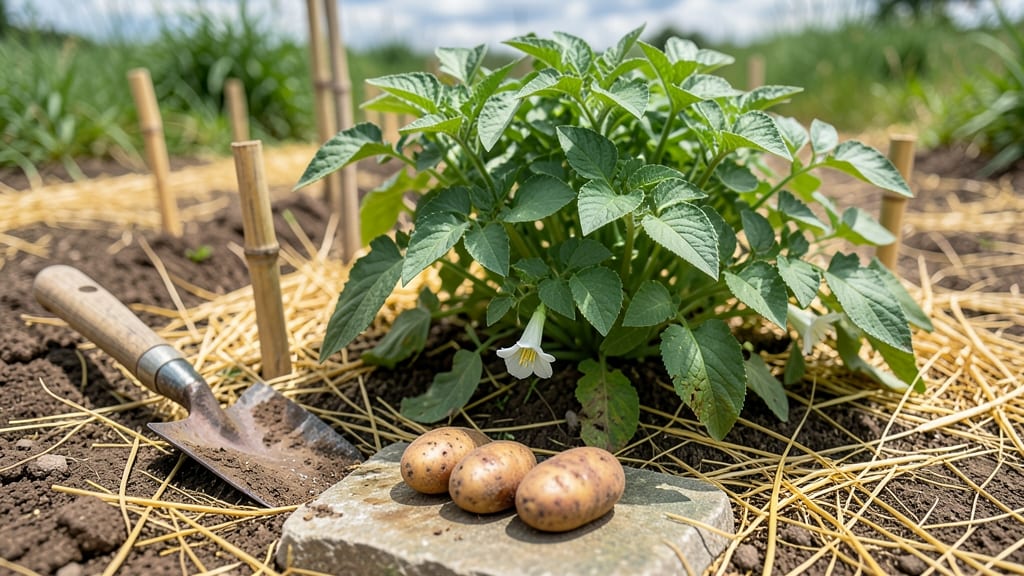
Planting potatoes in Texas isn’t just about grabbing a bag of seed potatoes and sticking them in the dirt—timing is everything, especially with our diverse microclimates that can turn a great harvest into a gamble.
Whether you're in North Texas where late frosts still lurk or South Texas where heat arrives early, getting those 🥔 in the ground at the wrong time means wasted effort (and money).
The key is knowing your USDA zone and working with it, not against it. In North Texas (zones 8a-9a), you’ve got a narrow window between late February and early March to beat frost, while South Texas gardeners can start as early as October—if they’re ready for the heat.
Miss the mark, and you’ll either lose your crop to cold or watch it bolt in the summer sun.
But here’s the good news: with the right prep—soil temperature checks, frost protection, and variety selection—you can stretch that window to maximize your yield.
I’ll walk you through the exact steps to time your planting like a pro, so you can enjoy homegrown potatoes from spring through fall without the guesswork.
Ready to dig in? Let’s break down the perfect planting schedule for your Texas zone, plus pro tips to keep your 🥔 thriving all season long.
Texas potato planting deadlines by USDA zone: exact dates for frost-free success
Texas spans USDA zones 7A–10A, creating wildly different potato planting windows from the Panhandle's chilly springs to South Texas's year-round warmth.
In zone 7A (Amarillo), you’ll plant by February 15 to avoid late frosts, while zone 10A (Brownsville) gardeners can start as late as November 1—or even overwinter with protection.
The key? Soil temperature thresholds of 50–60°F and knowing your last frost date (NOAA data shows March 15 in Dallas vs. January 15 in Houston).
Urban heat islands in Austin or San Antonio can push soil temps 10°F warmer than rural areas, letting you plant 2–3 weeks earlier in containers or raised beds. Meanwhile, North Texas ranchland may need frost blankets until April 1.
The solution? Test soil with a thermometer—potatoes won’t sprout below 45°F, and roots struggle above 85°F without shade.
Here’s your zone-by-zone planting calendar, including early vs. late varieties and NOAA frost risk data:
For urban gardeners, container-growing extends windows—plant in black plastic-lined pots to warm soil 10°F faster than in-ground beds. Rural areas with loamy soil (like East Texas) drain better, letting you plant 2 weeks earlier than clay-heavy West Texas.
Pro tip: Chit seed potatoes (sprout indoors 4–6 weeks before planting) to shave 2–3 weeks off your growing season.
Late varieties like Russet Burbank need 100–120 days to mature, so zone 7A–8B gardeners should plant by April 1 for a summer harvest. Meanwhile, heat-tolerant varieties (e
How to extend the Texas potato growing season: cold frames, mulching, and succession planting
Texas gardeners can stretch potato harvests by 30–45 days using simple season-extending tricks. The key? Warm soil in spring and frost protection in fall. In my Zone 8b garden, I’ve doubled my harvests by combining black plastic mulch with cold frames—here’s exactly how.
For earlier harvests, black plastic mulch raises soil temps by 10–15°F and speeds up sprouting. In Zone 9a+, cold frames let me grow potatoes year-round with minimal frost risk. Meanwhile, succession planting every 2–3 weeks ensures a steady supply.
Here’s the breakdown of organic vs. synthetic mulch effectiveness for Texas potatoes:
Organic Mulch (Straw, Grass Clippings, Leaves)
Pros
- Improves soil fertility over time
- Breaks down to add organic matter
- Supports beneficial microbes
Cons
- Slower to warm soil (delays sprouting)
- May harbor pests if not fresh
- Requires replenishing mid-season
Synthetic Mulch (Black Plastic, Landscape Fabric)
Pros
- Warms soil 10–15°F faster than organic
- Weeds suppressed for entire season
- Long-lasting (2–3 years)
Cons
- No soil enrichment benefits
- Requires cutting holes for planting
- Can overheat soil in extreme heat
My Zone 8b strategy combines both: I use black plastic mulch for spring plantings (laid 2 weeks before planting) and switch to straw for fall crops to retain moisture.
For cold frames, I’ve had success with simple PVC hoop structures covered in clear plastic—they add 5–10°F protection on chilly nights.
For succession planting, I stagger plantings every 2–3 weeks starting in late February (Zone 8b) or October (Zone 9a+). Choose early-maturing varieties like ‘Yukon Gold’ (90 days) or ‘Red Norland’ (80 days) to maximize yields. In Zone 10a, I’ve even grown potatoes in winter under cold frames!
Pro tip: In humid South Texas, add 1–2 inches of straw mulch around plants to prevent late blight. And always rotate crops—never plant potatoes in the same spot two years in a row to avoid disease buildup.
With these tactics, I’ve gone from one harvest per year to three continuous harvests—all while adapting to Texas’ unpredictable weather. Try one method this season and watch your potato yields soar! 🥔