
Plants
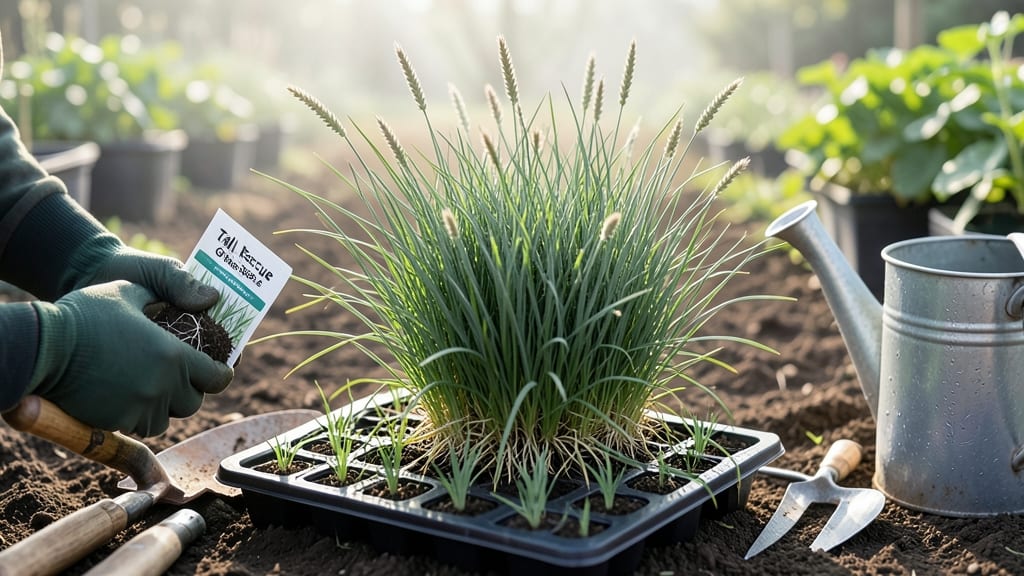
Planting fescue in Missouri isn’t just about grabbing seed and digging in—it’s about timing it right to beat the state’s unpredictable weather and give your lawn the best shot at thriving.
With USDA zones 5b-6b bringing hot summers and early frosts, knowing when to plant makes all the difference between a patchy lawn and a lush, green carpet.
Most gardeners swear by late summer to early fall as the best window for fescue, but Missouri’s variable climate means you’ve got to be strategic.
Whether you’re seeding a new lawn or overseeding an existing one, getting it in the ground 4-6 weeks before frost (around August to October) ensures strong root growth before winter sets in.
I’ve seen firsthand how a well-timed planting can turn a struggling lawn into a resilient one—especially when you account for Missouri’s clay-heavy soil and drought risks. Let me walk you through the ideal months, soil prep tips, and how to adjust for your specific zone to guarantee success.
Ready to transform your yard? Stick with me, and I’ll show you exactly how to plant fescue for a lawn that outlasts Missouri’s toughest seasons.
Best months to plant fescue in Missouri’s hardiness zones 5b-6b
Timing your fescue grass planting in Missouri is all about working with—not against—the state’s unpredictable climate. With USDA zones 5b-6b, you’ll need to balance soil warmth, rainfall patterns, and frost dates to give your lawn the best start.
The ideal window shifts slightly between northern (5b) and southern (6b) regions, but the golden rule is always: plant when soil temps stay above 60°F but before summer’s brutal heat sets in.
Missouri’s variable weather means you can’t rely on a one-size-fits-all approach. In Zone 5b (northern MO), cooler springs and earlier frosts demand earlier planting, while Zone 6b (southern MO) offers a slightly extended window.
The key is soil temperature—not just calendar dates—since fescue seeds need consistent warmth to germinate but cool evenings to establish roots before winter.
Missouri’s first frost typically arrives around mid-October, but this can vary by 5-10 days depending on elevation and microclimates. For best results, aim to plant 4-6 weeks before frost—this gives seedlings time to develop deep root systems before dormancy. In practice, that means late August to early October for most of the state, with Zone 5b leaning toward the earlier end and Zone 6b able to push into early November in mild years.
| Zone | Ideal Planting Window | Soil Temp Threshold | Key Climate Notes | Adjustments for Late Planting |
|---|---|---|---|---|
| 5b (Northern MO) | Late August - Early September | 60-75°F (consistent) | Cooler springs, earlier frosts | Use frost blankets if planting after Sept 15 |
| 6a (Central MO) | Mid-August - Mid-September | 60-78°F (consistent) | Moderate climate, reliable rains | Can extend to early Oct with irrigation |
| 6b (Southern MO) | Early August - Early October | 60-80°F (consistent) | Warmer microclimates, later frosts | Push to Nov 1 only with soil >55°F |
🌱 Pro Tip: Test soil temps with a soil thermometer—fescue seeds need consistent warmth for germination.
While fall planting is ideal, Missouri’s summer heat can create a secondary window in late May to early June for Zone 6b areas. The trade-off? Weed competition will be fiercer, and you’ll need daily watering to keep seeds moist during 90°F+ days.
I’ve seen spring plantings succeed in southern Missouri, but they require extra care—think pre-emergent herbicides in early spring to suppress weeds before they outcompete your fescue.
Your soil conditions play a huge role in timing. Missouri’s clay-heavy soils (common in the Bootheel) drain poorly, so I recommend amending with compost 4-6 weeks before planting to improve water absorption.
In sandy soils (like parts of southwest MO), you’ll need to water more frequently to prevent drought stress. Always aim for 60% moisture in the top 2 inches of soil—this is critical for seed-to-soil contact and germination.
If you’re overseeding an existing lawn, late August is your best bet across all zones. The established grass provides shade for new seedlings, and cooler temps reduce stress. For new lawns, early September gives seedlings time to root deeply before winter.
Pro move: Mow higher (3-4 inches) before planting to encourage dense growth and shade new seeds.
Missouri’s unpredictable weather means you’ll sometimes need to adjust your timeline. If a heatwave hits in August, delay planting until temps drop below 85°F during the day. Conversely, if
How to choose between fall vs spring planting for maximum success
When planting fescue grass in Missouri, timing is everything. While both fall and spring offer valid windows, fall planting is the gold standard for Missouri’s climate. The cooler temperatures and consistent rainfall create ideal conditions for seed germination and root establishment before winter dormancy.
Missouri’s USDA zones 5b-6b mean you’ll face late spring frosts and summer droughts—both of which can stress young fescue plants. Spring planting risks weed competition and heat stress, while fall planting gives your grass a 6-8 week head start before winter sets in.
Key factor: Missouri’s average first frost arrives around October 15. Planting 4-6 weeks before this date (mid-September) ensures your fescue establishes roots before cold sets in. Spring planting, on the other hand, must occur before May 15 to avoid summer heat waves.
Fall Planting (Optimal)
- Cooler temps reduce water loss
- Less weed competition
- Grass establishes before winter
- Missouri’s fall rains help germination
- Limited planting window (Aug-Oct)
- Early frost risk if planted too late
Spring Planting (Secondary)
- Longer growing season ahead
- Better for repairing thin spots
- High weed competition
- Summer drought stress risk
- Requires frequent watering
For new lawns, fall planting gives your fescue 3-4 months to establish before winter. In Missouri’s clay-heavy soils, this means deeper root penetration and better drought resistance come summer.
Spring planting works best for overseeding existing lawns, but requires daily watering for the first 3 weeks to outcompete weeds.
Missouri’s variable weather makes spring planting risky. A late frost in April can kill young seedlings, while early summer droughts stress plants before they’ve established. Fall planting, however, aligns perfectly with Missouri’s natural rainfall patterns, reducing your irrigation workload.
Pro tip: If you must plant in spring, choose late April to early May when soil temperatures are 55-65°F. For fall, aim for mid-September to early October—this gives your fescue 6-8 weeks of growth before winter dormancy.
Either way, test your soil pH (ideal: 6.0-7.0) and amend with compost before planting.
🌱