
Plants
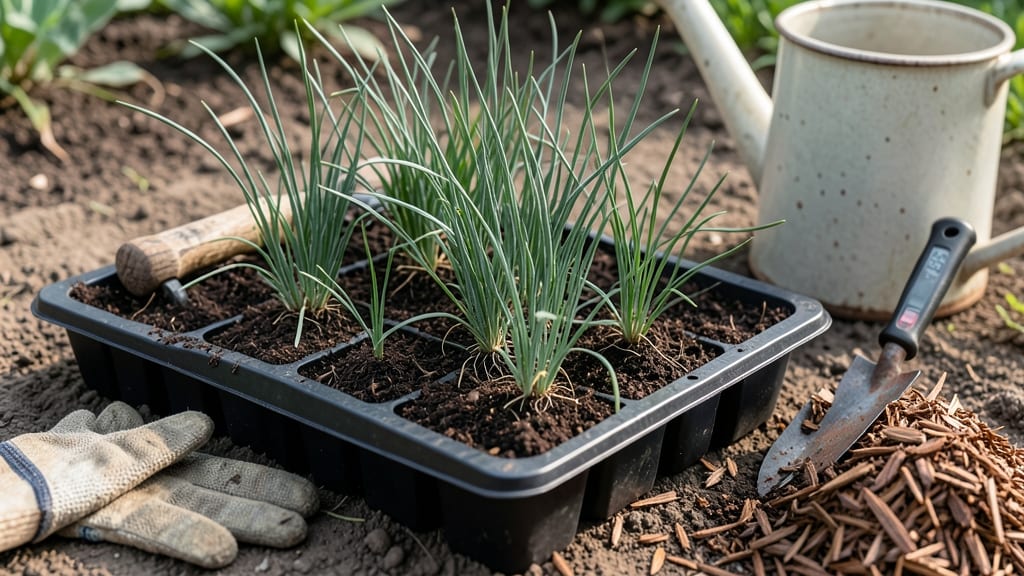
Timing your fescue grass planting just right in spring can mean the difference between a lush, green lawn and struggling seedlings that never take root. The key lies in understanding when the soil warms up enough to support healthy growth while avoiding late frosts that could damage tender new shoots.
For most regions, especially in USDA Zone 6a, the ideal window opens in early to mid-spring when daytime temperatures consistently stay above 55°F. This typically aligns with 4-6 weeks before your last frost date, giving seedlings time to establish strong roots before summer heat arrives.
But here's the catch: planting too early can leave your fescue vulnerable to cold snaps, while waiting too long might mean missing the optimal germination period. I'll show you exactly how to check your soil temperature and use local frost-free maps to pinpoint the perfect moment for your climate.
Whether you're in the northern states where winters linger or southern areas with earlier springs, these insights will help you avoid common mistakes and give your 🌱 fescue grass the best possible start. Let's dive into the science and practical steps that make all the difference in lawn success.
Ideal soil temperature and frost-free deadline for fescue planting
Planting fescue grass at the right time in spring ensures strong root development before summer heat sets in. The key factors are soil temperature and your local frost-free date. Fescue thrives when soil reaches 55-65°F, signaling it’s warm enough for germination without risking frost damage.
Your last frost date is your planting deadline anchor. Aim to plant 4-6 weeks before the average last frost—this gives seedlings time to establish roots before summer stress. For example, if your frost-free date is April 15, plant between mid-February and early March.
Regional differences matter! Northern climates (USDA Zones 3-5) may need to wait until late April or May when soil warms, while Southern zones (6-10) can plant as early as February. Always check your local frost-free maps for precision.
Here’s a quick reference for soil temperature and planting windows across U.S. regions:
For cool-season fescue, prioritize planting when soil is consistently above 55°F but before summer heat (above 80°F). Use a soil thermometer to check daily—morning readings are most accurate. If your soil is still below 55°F, wait 1-2 weeks.
Pro tip: In warmer climates, plant early spring (February) to avoid summer dormancy. In cooler zones, extend planting into early fall (September) for a second chance. Always avoid planting when frost is forecasted within 7 days.
If you’re unsure about your frost-free date, use the USDA Plant Hardiness Zone Map or local cooperative extension service resources. These tools provide hyper-localized planting advice tailored to microclimates in your area.
Remember, fescue germination slows below 50°F. If you plant too early, seedlings may struggle to break through cold soil. Balance soil warmth with frost risk—this is the golden rule for spring fescue success.
Once you’ve nailed the timing, prepare your soil with compost and a light fertilizer to give seedlings a nutrient boost. Water deeply after planting to encourage root growth—consistent moisture is critical in the first 30 days.
🌱
How to check soil warmth and adjust planting for your region
Getting your fescue grass timing right starts with understanding your soil temperature. Unlike warm-season grasses, fescue thrives in cooler conditions but needs the ground to warm enough to avoid stunted growth. The ideal soil temperature range for planting is between 55°F and 65°F, which varies by region.
Without testing, you might plant too early and risk frost damage—or too late and miss the optimal window.
Your local frost-free date is another critical factor. Most gardeners aim to plant 4-6 weeks before the last expected frost, but this varies. For example, in USDA Zone 5, this might mean early April, while in Zone 8, you could start as early as February.
Always check your local frost maps (available from the National Weather Service) to avoid guessing.
- Step 1: Test Soil Warmth – Use a soil thermometer (insert 4-6 inches deep) on a sunny morning. Aim for 55-65°F for fescue.
- Step 2: Check Frost-Free Deadline – Find your last frost date (e.g., April 15 in Zone 5) and plant 4-6 weeks before.
- Step 3: Adjust for Early/Mid/Late Spring – Early spring (Zone 6+): Plant in March. Mid-spring (Zones 4-5): Wait for April. Late spring (Zones 3): Plant in May.
- Step 4: Use a Seed Warmth Mat – If soil is too cold, place a seedling heat mat over the area to maintain warmth for 2-3 weeks.
- Step 5: Monitor Weather Forecasts – Avoid planting if a frost warning is issued within 7-10 days.
If your soil is too cold, don’t rush—waiting a few weeks can save you from seedling loss. For example, in Zone 4, where frosts linger into May, planting in early April might expose young fescue to frost damage.
Instead, wait until the soil consistently stays above 55°F, even if it delays planting by a week or two.
For regions with unpredictable spring weather, like the Pacific Northwest, consider using a row cover or mulch to protect young seedlings. A thick layer of straw (2-3 inches) can insulate the soil and keep it warmer longer.
This is especially useful if you’re planting in early spring and facing late frosts.
Pro tip: If you’re unsure about your local microclimate, ask neighbors with established fescue lawns when they planted. Their experience with soil warmth and frost patterns in your area can be invaluable. Pair this with your own soil tests for the most accurate timing.
Once your soil hits the ideal temperature range, act quickly—fescue seeds germinate best when planted within 24-48 hours of soil warming. Use a seed spreader for even coverage and lightly rake the seeds into the top ¼ inch of soil to ensure good contact with warmth.