
Flowers
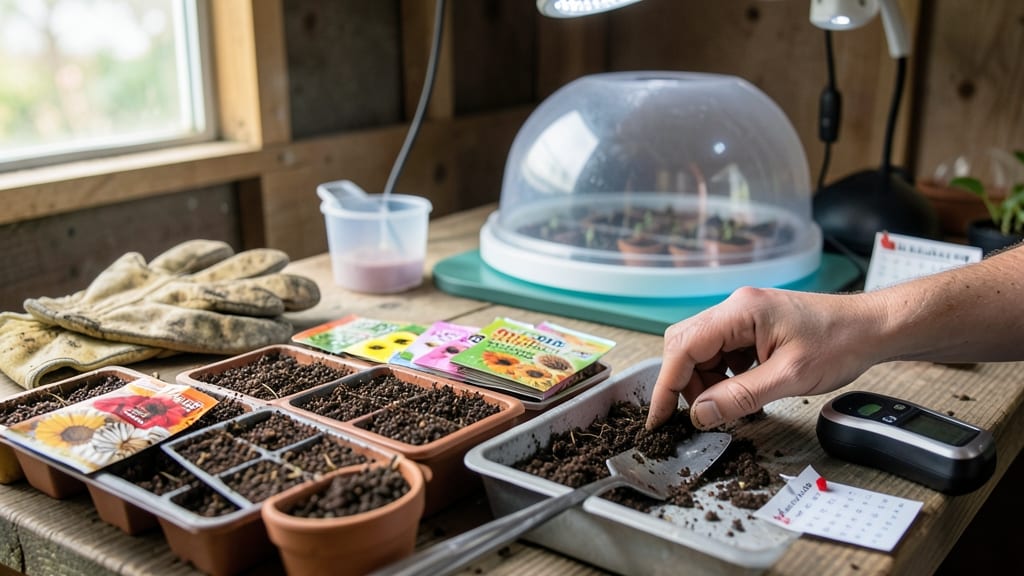
Planting flower seeds in Minnesota isn't just about grabbing a packet and tossing it in the dirt—it's about beating the clock before frost strikes again.
With last frost dates swinging from late April in Zone 5a to early June in Zone 3, timing your 🌸 seeds wrong could mean wilted dreams instead of vibrant blooms.
I've learned the hard way that Minnesota's unpredictable weather demands precision. Whether you're dreaming of marigolds by your patio or coneflowers in the wildflower meadow, knowing when to start seeds indoors versus direct-sowing outdoors makes all the difference. The right window means stronger plants that thrive all summer long.
Let me show you exactly when to plant your favorite varieties—from cold-hardy pansies that can handle early spring to heat-loving zinnias that need late summer starts. We'll cover frost-free deadlines, soil temperature tips, and how to stretch your blooming season with smart succession planting.
Skip the guesswork and get the exact planting schedule tailored to your Minnesota zone. By the end, you'll know precisely when to sow for a garden bursting with color from June through September—no frost surprises included.
Minnesota flower seed planting deadlines by Zone (4a vs 5a)
Minnesota's USDA Zones 4a and 5a create distinct planting windows for flower seeds, with Zone 5a (like Minneapolis) enjoying slightly longer growing seasons than Zone 4a (Duluth/Rochester). The key to success?
Knowing your last frost dates—typically May 10-20 for Zone 5a and May 25-June 5 for Zone 4a—and adjusting for soil temperature (aim for 50°F+).
For annual flowers, I recommend starting seeds indoors 6-8 weeks before your last frost date to give them a head start. Perennials and cold-hardy varieties like pansies or snapdragons can often be sown directly into cool spring soil as early as mid-April in Zone 5a or late April in Zone 4a. The difference between these zones means 2-3 weeks of flexibility for gardeners in warmer microclimates.
Here’s the critical planting timeline broken down by zone, including direct sowing and indoor starting deadlines to ensure vibrant blooms all season.
In Zone 5a, I prioritize early sowing of cool-season annuals like calendula or nasturtiums by mid-April to enjoy blooms by early summer.
For Zone 4a, I wait until late April to avoid frost damage, focusing on hardier varieties like black-eyed Susans or coneflowers, which thrive in cooler soils. Both zones benefit from row covers to extend the season by 2-3 weeks if early frosts threaten.
For warm-season flowers, timing is equally critical. In Zone 5a, I sow zinnias or cosmos directly into the garden by May 15 to ensure they establish roots before summer heat.
In Zone 4a, I delay until June 1 to avoid soil temperatures below 55°F, which can stunt growth. Use a soil thermometer to confirm readiness—50°F+ is ideal for most seeds.
Don’t overlook fall planting for perennials! In both zones, I sow seeds for next year’s blooms between August and September to take advantage of cool autumn temperatures. Varieties like black-eyed Susans or Russian sage germinate well in fall and establish strong roots before winter.
Just be sure to mulch heavily after planting to protect young seedlings from early frosts.
Pro tip: Use succession planting to extend your blooms. For example, sow bachelor’s buttons every 2 weeks from May to July in Zone 5a or June to August in Zone 4a. This ensures continuous color and prevents overcrowding as plants mature.
Keep a planting journal to track what works best in your microclimate!
If you’re unsure about your last frost date, I recommend checking the National Weather Service or using a frost calendar for your specific city. For Minneapolis, the average last frost is May 10, while Duluth’s is often June 1.
Adjust your planting schedule accordingly, and don’t hesitate to start a few extra seeds as insurance against late frosts.
Remember, soil temperature matters more than air temperature. A soil thermometer is your best friend—most flower seeds need 50-
Best flower seeds to plant early vs late in Minnesota gardens
Minnesota’s short growing season demands smart planning—some flowers thrive when planted early to beat the frost, while others need warm soil to germinate. I’ve tested these varieties in my Zone 4b garden and found the best performers for both strategies.
Early sowing gives you a head start, while late planting extends your blooming season into fall.
For early planting (March-April), focus on frost-tolerant annuals and perennials that handle Minnesota’s chilly springs. These seeds can be sown directly after soil thaws or started indoors 6-8 weeks before last frost.
My go-to choices include pansies, snapdragons, and sweet alyssum, all of which handle light frosts once established.
Late-season planting (July-August) rewards patient gardeners with fall blooms. Heat-loving varieties like zinnias, marigolds, and cosmos thrive when sown after the July heatwave. These flowers need consistent moisture and full sun to compensate for Minnesota’s shorter daylight hours later in the year.
Early Planting (March-April)
| Pros | Cons |
|---|---|
| ✅ Longer blooming season | ❌ Risk of frost damage |
| ✅ Early pollinators (bees, butterflies) | ❌ Slower germination in cold soil |
| ✅ Frost-hardy varieties available | ❌ Requires row covers or cold frames |
Late Planting (July-August)
| Pros | Cons |
|---|---|
| ✅ Extended fall color | ❌ Shorter daylight hours |
| ✅ Pest-resistant varieties | ❌ Needs consistent watering |
| ✅ Fewer weeds to compete | ❌ Limited seed selection |
My top early-spring picks include calendula (edible petals!) and stock flowers, which both tolerate 28°F temperatures once established. For late plantings, I swear by sunflowers (sow in early July for fall blooms) and black-eyed Susans, which thrive in Minnesota’s hot August soil.
Pro tip: Use black plastic mulch for late plantings to warm soil faster. I’ve seen zinnias germinate in just 5 days with this method! For early sowings, mix seeds with sand to improve visibility in cold, clumpy soil.
Remember: Minnesota’s first frost typically arrives by mid-October, so time your late plantings to bloom before then. My cosmos and marigolds often last until Thanksgiving with proper care.