
Flowers
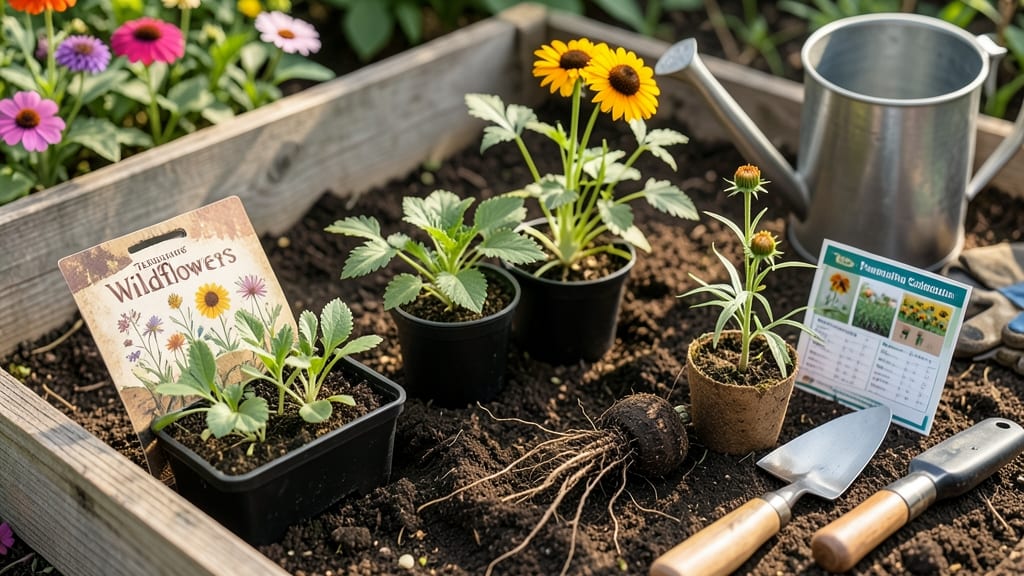
Planting flower seeds at the wrong time in Tennessee can mean the difference between a garden bursting with color and a season of disappointment. With five distinct heat zones across the state, knowing when to plant is everything—especially when last frost dates shift by weeks from East to West.
I’ve learned the hard way that timing isn’t one-size-fits-all. Whether you’re growing pansies in Zone 5b or marigolds in Zone 8a, the rules change dramatically.
The key is understanding your local frost dates and soil temperatures, because planting too early can leave seeds vulnerable to cold snaps, while waiting too long might miss the ideal growing window.
In this guide, I’ll break down the exact spring and fall deadlines for Tennessee gardeners, including adjustments for containers and microclimates. You’ll discover how to prep your soil, avoid common mistakes, and pick the perfect flowers for your zone—so you can finally get those vibrant blooms you’ve been dreaming of.
Ready to transform your garden? Let’s dive into the seasonal secrets that will make all the difference this year.
Tennessee flower seed planting deadlines by heat Zone (spring vs fall)
Tennessee’s diverse climate—spanning USDA heat zones 5b through 8a—creates unique planting challenges. Whether you’re in the cooler East Tennessee mountains (5b-6a) or the warmer West Tennessee plains (7b-8a), timing your flower seeds correctly ensures strong germination and vibrant blooms.
Miss these deadlines, and you risk weak seedlings or bolting before flowering.
Most gardeners focus only on spring planting, but Tennessee’s mild winters make fall sowing a smart strategy for cool-season flowers. The key? Understanding your last frost date, soil temperature thresholds, and how microclimates shift planting windows by weeks.
Let’s break it down by zone so you can plant with confidence.
🌱 Pro Tip: Use a soil thermometer (not just air temps) to confirm readiness—60°F+ for warm-season flowers and 50-55°F for cool-season varieties.
| Heat Zone | Spring Planting Window | Fall Planting Window | Key Soil Temp Requirement | Best Flower Types | Critical Deadline Notes |
|---|---|---|---|---|---|
| 5b (East TN Mountains) | April 15–May 10 | August 15–September 10 | 50–60°F (cool-season) / 65°F+ (warm-season) | Pansies, Snapdragons, Coneflowers, Black-Eyed Susans | Last frost: April 20–May 5. Use row covers for early starts. |
| 6a (Middle TN Valleys) | March 20–April 15 | September 1–September 20 | 55–65°F (cool-season) / 70°F+ (warm-season) | Marigolds, Petunias, Zinnias, Coreopsis | Last frost: March 30–April 10. Avoid planting after June 15 for fall blooms. |
| 7a (Nashville Area) | March 1–March 31 | September 15–October 10 | 60–65°F (cool-season) / 75°F+ (warm-season) | Lantana, Salvia, Gaillardia, Sunflowers | Last frost: March 15–March 25. Fall planting must finish by October 1 for blooms. |
| 7b-8a (West TN) | February 15–March 15 | October 1–October 15 | 65–70°F (cool-season) / 80°F+ (warm-season) | Portulaca, Vinca, Blanket Flower, Mexican Sunflower | Last frost: February 15–March 1. Fall planting ends by September 30. |
For spring planting, prioritize warm-season annuals like zinnias and marigolds once soil hits 60°F+.
In Zone 5b, wait until April 15 to avoid frost damage, while Zone 8a gardeners can start as early as February 15. Cool-season flowers like pansies thrive when planted in late summer for fall blooms, but rush fall sowings in Zone 7b+—they need 6–8 weeks to establish before frost.
Adjust for elevation: Mountain zones (e.g., Great Smoky Mountains) may have 2–3 week later frost dates than valley areas. Check local Cooperative Extension Service data or use Almanac’s Frost Calculator for precise dates
How to adjust planting timing for Tennessee’s microclimates
Tennessee’s diverse geography—from Nashville’s urban heat islands to the Appalachian Mountains—creates microclimates that can shift your planting deadlines by 2-4 weeks. What works in Zone 7b Memphis may fail in Zone 6a Knoxville, and mountain valleys often experience frost 10-14 days later than surrounding areas.
Understanding these variations lets you extend seasons and choose the right flower varieties for your specific conditions.
Start by identifying your local microclimate type. Urban areas (like Chattanooga or Nashville) trap heat, delaying frost by 7-10 days compared to rural zones. Meanwhile, elevation changes of just 500 feet can push frost dates back by 1-2 weeks.
For example, Gatlinburg’s Zone 6a may need row covers for impatiens when Knoxville’s Zone 7a can plant them directly. Let’s break down how to adapt your timing for these conditions.
- 1 Elevation shifts frost dates: Every 1,000 feet up delays frost by 5-7 days. Use the UT Extension’s frost map to adjust your last spring planting date by 10-14 days if you’re above 2,000 feet.
- 2 Row covers extend seasons: Use floating row covers to plant heat-sensitive flowers like impatiens or begonias 3-4 weeks earlier in spring or 2 weeks later in fall. Remove covers when flowers bloom to prevent overheating.
- 3 Cooler zones need cold-hardy flowers: In Zones 5b-6a (e.g., Bristol or Crossville), opt for pansies, snapdragons, or calendula for early spring and late fall color. These thrive at 40-50°F soil temps, unlike lantana or salvia, which need 65°F+.
- 4 Heat zones thrive with drought-tolerant picks: In Zones 7b-8a (e.g., Memphis or Jackson), prioritize lantana, zinnia, or portulaca. These handle 90°F+ temps and low humidity better than petunias or geraniums, which wilt without daily watering.
For urban gardeners, heat islands can make spring planting 1-2 weeks earlier than rural areas. Test your soil temperature with a soil thermometer—most flower seeds need 60-65°F to germinate.
If your Nashville balcony hits 65°F by March 15 but your rural farm isn’t there until April 1, adjust accordingly. Valley locations often trap cold air, so plant cool-season flowers like sweet alyssum 10 days later than nearby hillsides.
When choosing heat-sensitive flowers, like impatiens or coleus, use shade cloth (30-50%) to protect them from afternoon sun in Zone 7b+. For drought-tolerant varieties such as black-eyed Susans or coneflowers, wait until after May 15 in most of Tennessee to avoid late frost damage.
These perennials establish roots faster in warmer soil and rebound better from summer heat.
Pro tip: Container gardeners can manipulate microclimates by moving pots. Place heat-loving flowers like gazania on south-facing patios and cool-season picks like stock near north walls. This lets you extend your growing season by 4-6 weeks without relying on frost dates.
Always monitor your plants’ stress signals—wilting or yellowing leaves often mean it’s time to adjust your planting strategy.
By tailoring your planting timeline to your