
Flowers
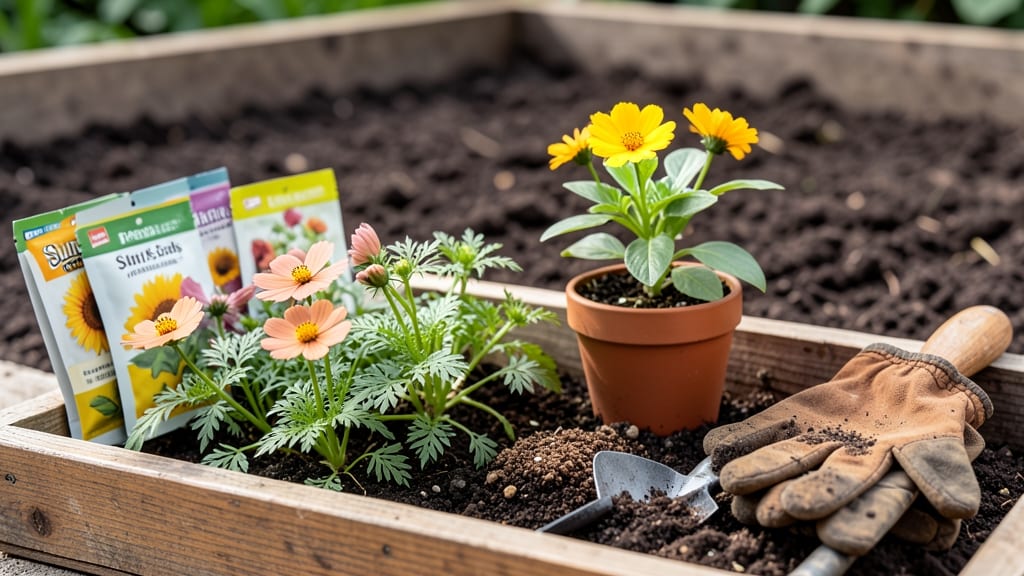
Planting flower seeds in Kansas at the wrong time can mean the difference between a vibrant summer garden and a sad, half-bloomed disappointment. With USDA Zones 5b-7a bringing unpredictable frost dates and temperature swings, timing is everything for those 🌸 you’ve been dreaming of.
You’ve probably heard the general rule—wait until after the last frost—but Kansas doesn’t play by a strict script. In some areas, late frosts can linger into early May, while others might be frost-free by mid-April.
That’s why knowing your exact planting window—whether you’re sowing sweet peas in late March or zinnias in August—is the key to success.
I’ve spent years testing what works in Kansas gardens, and the secret isn’t just about dates. It’s about soil temperature, microclimates, and even the type of flowers you’re growing. Some varieties thrive when planted early, while others need the heat of summer to take off.
Let me walk you through the exact deadlines and strategies to give your seeds the best shot at blooming all season long.
Ready to skip the guesswork and turn your garden into a burst of color? Let’s dive into the proven planting schedule that actually works for Kansas’ unique climate—no more wasted seeds or missed blooms.
Kansas flower seed planting deadlines by USDA Zone (5-7) and frost dates
Kansas gardeners know timing is everything—especially when planting flower seeds in USDA Zones 5-7. With last frost dates varying from late March to early May, missing the window can mean lost blooms.
But don’t worry: I’ll break down the exact planting deadlines for your region, whether you’re in Wichita, Kansas City, Topeka, or rural areas, plus how to use indoor starts to extend your season.
First, check your local frost dates. Most of Kansas falls in Zone 5b-7a, with average last frost dates around April 15 (earlier in southern zones, later in northern areas).
For Wichita (Zone 7a), you can plant cool-season flowers as early as mid-March, while Kansas City (Zone 6a) waits until late March. Rural areas in Zone 5b should hold off until early April to avoid frost damage.
| Region | USDA Zone | Last Frost Date | Direct Sowing Window | Indoor Start Window |
|---|---|---|---|---|
| Wichita | 7a | March 15–April 1 | Mid-March (cool flowers) / Late April (warm flowers) | February 1–March 15 |
| Kansas City | 6a | March 30–April 15 | Late March (cool flowers) / Early May (warm flowers) | February 15–March 30 |
| Topeka | 6b | April 1–April 15 | Early April (cool flowers) / Late April (warm flowers) | February 15–March 20 |
| Rural (Zone 5b) | 5b | April 15–May 1 | Late April (cool flowers) / Early June (warm flowers) | March 1–March 15 |
For cool-season flowers like pansies, snapdragons, and sweet peas, start seeds indoors 6–8 weeks before your last frost date. These thrive in cooler temperatures and can handle light frosts.
If you’re planting directly outdoors, aim for 2–4 weeks before your region’s last frost—just make sure soil temps are above 40°F (4°C).
Warm-season flowers—think marigolds, zinnias, and cosmos—need soil temps of 60°F (15°C) or higher. Wait until after your last frost date (typically mid-April to early May) and plant after Memorial Day for best results.
Pro tip: Use black plastic mulch to warm the soil faster in Zone 5b areas.
Fall planting is just as critical! Cosmos, sunflowers, and asters can be sown directly into the garden in August for late-summer blooms. In Zone 7a, you can even push it to early September for winter interest.
Just remember: seedlings need 6–8 weeks to mature before the first frost, so time it right!
Missed the spring window? No problem. Indoor starts let you jump-start growth. Use grow lights or a sunny windowsill to germinate seeds 4–6 weeks before transplanting. Harden off seedlings by gradually exposing them to outdoor conditions for 7–10 days before planting.
This trick works especially well for delicate flowers like petunias that struggle with Kansas’ dry winds.
Watch for late frosts, which can still hit in mid-April. Protect young seedlings with frost cloth or row covers if nighttime temps drop below 32°F (0°C).
In Zone 5b, I’ve seen frosts as late as May 10, so always be prepared. For extra insurance, choose cold-hardy
Top 5 flowers to plant early vs. late in Kansas (with survival tips)
Kansas gardeners know timing is everything—especially when last frost can arrive weeks apart across USDA Zones 5-7. Planting cold-hardy flowers in early spring (March-April) gives you a head start, while heat-loving annuals thrive when sown in late summer (August-September).
Let’s break down the best performers for each window and how to keep them blooming through Kansas’ extremes.
For early spring planting, I swear by pansies and sweet peas.
These tough beauties tolerate light frosts down to 20°F and bloom nonstop from April until June’s heat arrives. Violas and calendula are my secret weapons for shady spots—they’ll cheer up your garden even when soil temps hover at 45°F. The key?
Start seeds indoors 6-8 weeks before your last frost date.
🌱 PROS-CONS BOX: WHEN TO PLANT FLOWER SEEDS IN KANSAS
- Cold-hardy blooms survive late frosts
- Pansies/violas thrive in cool temps
- Less competition from weeds
- Seedlings vulnerable to hail/frost if planted too early
- Slower growth in chilly soil (<45°F)
- Requires row covers for protection
- Zinnias/cosmos bloom until first frost
- Drought-tolerant once established
- Avoids pest pressure of early season
- Heat stress if sown after 9/1
- Shorter bloom window in Zone 5
- Requires consistent watering during establishment
My top late-summer picks are cosmos and zinnias—both self-seed like crazy and handle Kansas’ dry heat with ease. Sunflowers and marigolds also excel when planted in August, giving you fall color when most gardens fade.
The trick? Wait until soil temps hit 65°F (use a soil thermometer!) and sow seeds 1/4 inch deep in loose, compost-amended soil.
Don’t overlook perennials like coneflowers and black-eyed Susans—they’re low-maintenance and return year after year.
For Zone 5 gardeners, I recommend planting these in late August to give roots time to establish before winter. Mulch heavily (3-4 inches) with straw to insulate roots from freeze-thaw cycles that split soil in Kansas’ harsh winters.
Extending bloom seasons means succession planting. In early spring, stagger snapdragons and stock every 2 weeks for continuous color. For late summer, repeat cosmos plantings every 3 weeks—this ensures blooms from September through October’s first frost. Always deadhead spent blooms to redirect energy into new flowers, not seeds.
Pro tip: Use lightweight row covers to protect early spring seedlings from unpredictable late frosts (Kansas, I’m looking at you!). Remove covers during the day to let pollinators visit flowers, then reapply at night.
For late summer, shade cloth (30-50%) prevents bolting in 100°F+ heat—critical for Zone 7’s intense summers.
Remember, Kansas’ microclimates vary wildly. Urban areas like Wichita run 5°F warmer than rural Zone 5 spots, so adjust deadlines accordingly. With these survival tips, your garden will bloom earlier, longer, and harder than your neighbors’—no matter what Mother Nature throws at you. 🌸