
Flowers
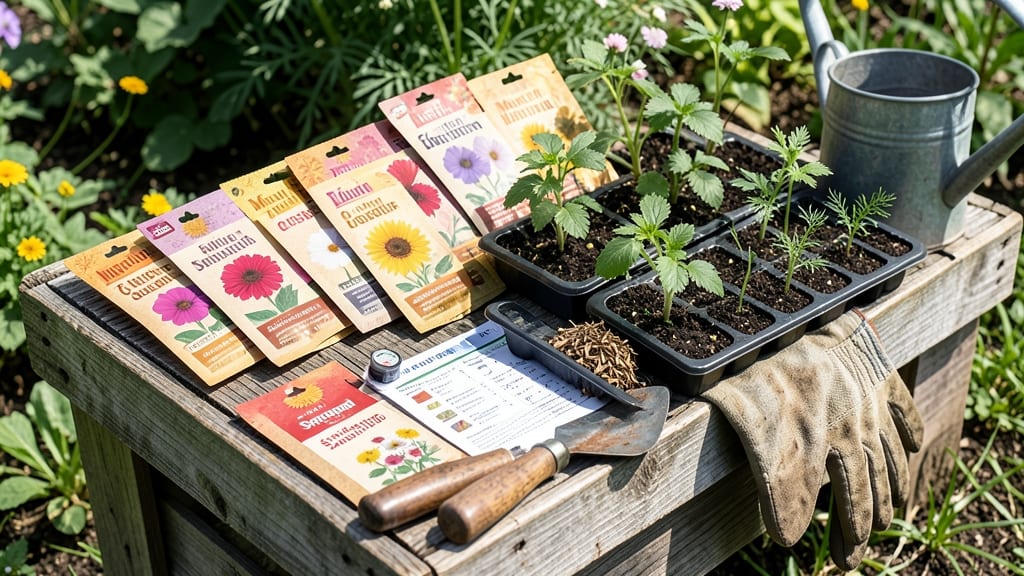
Planting flower seeds at the wrong time in Zone 6 can turn your dream garden into a sad, frost-killed mess—but getting the timing right means vibrant blooms from spring to fall.
The key isn’t just waiting for spring; it’s knowing exactly when to start seeds indoors versus outdoors, and which frost-tolerant varieties can handle Zone 6’s unpredictable weather.
I’ve tested this in my own garden, and the difference between a 6-week head start (indoors) and a last-minute direct sow is night and day.
Whether you’re growing hardy annuals like pansies or heat-loving zinnias, the right schedule ensures you’re not scrambling when the last frost hits—or worse, watching your seedlings freeze. Let’s break down the precise weeks to plant for zero-frost failures.
Zone 6’s last frost typically lands between mid-April and early May, but your microclimate might shift that by weeks. That’s why I’ll share how to adjust for hills, valleys, or urban heat islands—plus which flowers thrive when planted 6-8 weeks before your average last frost date.
No more guesswork, just actionable timing for a garden that pops all season.
Ready to skip the trial-and-error? You’ll also discover how to extend your blooms with smart succession planting and frost protection tricks that work in 6a-6b. Let’s turn your Zone 6 garden into a year-round showstopper—starting with the perfect planting window.
Zone 6 last frost dates: exact weeks before planting flower seeds indoors vs outdoors
Getting your flower seeds in the ground at the right time in Zone 6 means the difference between a lush summer garden and a wasted season.
The average last frost date for Zone 6 falls between April 15 and May 1, but your exact timeline depends on whether you're starting seeds indoors or sowing directly outdoors. Understanding these windows helps you avoid frost damage while maximizing bloom time.
For cold-hardy annuals like pansies and snapdragons, you can often sow seeds directly into the garden 4-6 weeks before the last frost. However, warm-season flowers such as marigolds and zinnias need to wait until 2-3 weeks after the last frost to avoid chilling injury.
Starting these indoors 6-8 weeks before transplanting is key to beating the clock.
Here’s how to adjust for microclimates—whether you’re in a valley (cooler), hillside (warmer), or urban heat island. Use these exact weeks as your guide, but always check your local frost date records for precision.
If you’re in a cooler microclimate (like a valley), push your indoor starts back by 1-2 weeks to account for delayed warming. Conversely, urban areas or south-facing slopes can warm up faster—adjust by planting 1 week earlier if your soil is consistently above 50°F at a 2-inch depth.
For perennials like black-eyed Susans or coneflowers, sow seeds directly outdoors in early spring (March) or late summer (August) for fall establishment. These frost-tolerant varieties thrive with 6-8 weeks of root development before winter.
Pro tip: Use a soil thermometer to confirm soil
Best flower seeds to plant by month in Zone 6 (with frost-resistant picks)
Zone 6 gardeners enjoy a long growing season with 165 frost-free days, but timing matters—plant too early, and seedlings freeze; too late, and blooms arrive after summer’s peak.
The key is matching seed types to monthly windows while leveraging frost-tolerant varieties like pansies and snapdragons that thrive in cooler temps.
For warm-season bloomers like marigolds and zinnias, wait until soil temps hit 60°F+—usually late May—while cool-season flowers can handle 40°F soil as early as March. Direct-sowing vs. transplanting also shifts based on seed size: tiny lobelia seeds need indoor starts, while cosmos self-sow reliably outdoors.
- March: Start pansies and snapdragons indoors (6-8 weeks before last frost) or direct-sow sweet peas (hardy to 20°F). 🌱
- April: Transplant cool-season flowers (e.g., calendula) after last frost (avg. April 15–May 1). Direct-sow lettuce with flowers (e.g., nasturtiums). 🌿
- May: Sow warm-season seeds (e.g., marigolds, zinnias) after soil warms to 60°F. Use row covers for early cosmos or sunflowers. ☀️
- June–July: Succession plant basil flowers (e.g., cleome) and celosia for late-summer blooms. Avoid starting cool-season flowers—they’ll bolt. 🌻
- August: Begin fall bloomers: direct-sow pansies or stock (6-8 weeks before first frost). Don’t plant warm-season seeds—they won’t mature. 🌷
Pro tip: Test soil temps with a soil thermometer—warm-season seeds need consistent warmth, while cool-season flowers can handle 50°F+ soil. For Zone 6 microclimates (e.g., urban heat islands), adjust by 1–2 weeks later for warm-season plants.
Extend your season with succession planting: Sow zinnias every 2 weeks from May–July for continuous blooms. Pair frost-tolerant flowers (e.g., sweet peas) with warm-season stalwarts (e.g., sunflowers) to create year-round interest.
Remember: Deadhead spent blooms to encourage reblooming in perennials like coneflowers, and mulch heavily in fall to protect tender roots from early frosts. With this schedule, your Zone 6 garden will burst with color from spring pansies to fall mums. 🌺